Read on France 24
Cuba's Deepening Fuel Crisis: Impact on Transportation, Power, and Public Services
Cuba is facing a severe fuel crisis that is crippling daily life for its residents. The acute shortage of oil, attributed to a US blockade, has led to the collapse of public transportation, widespread power outages, and a breakdown in garbage disposal systems. This article examines the cascading effects of the energy shortage on the island's infrastructure and the profound challenges it poses for the Cuban population as they navigate this ongoing emergency.
Cuba is grappling with a profound and worsening fuel crisis that has brought daily life to a near standstill for its residents. In recent weeks, a severe contraction in oil supplies has triggered a cascade of failures across the nation's critical infrastructure. The situation, as reported by international media, highlights the vulnerability of an island nation to energy shocks and the immediate, tangible consequences for its citizens. This article explores the multifaceted impact of this crisis on transportation, electricity, and essential public services.

The Transportation Network Grinds to a Halt
The most visible impact of the fuel shortage is the paralysis of Cuba's transportation network. Public buses, the primary mode of transit for millions of Cubans, have seen their schedules drastically reduced or canceled entirely. This has stranded commuters, making it exceedingly difficult for people to get to work, school, or access healthcare facilities. The iconic fleet of vintage American cars, often used as shared taxis, has also been sidelined, removing a vital piece of the urban mobility puzzle. The breakdown in transport not only disrupts economic activity but also isolates communities, cutting off access to markets and social services.
Power Supply Becomes Unreliable
The fuel crisis has directly translated into an electricity crisis. Cuba relies heavily on oil-fired power plants to generate electricity. With fuel stocks dwindling, the national grid has become unstable, leading to frequent and prolonged blackouts across the island. These power outages disrupt every aspect of modern life: refrigerated food spoils, medical equipment fails, businesses cannot operate, and students struggle to study after dark. The unreliable power supply exacerbates the hardship, creating an environment of uncertainty and forcing households and institutions to adapt to a pre-modern rhythm of life dictated by the availability of electricity.
Breakdown of Garbage Disposal Systems
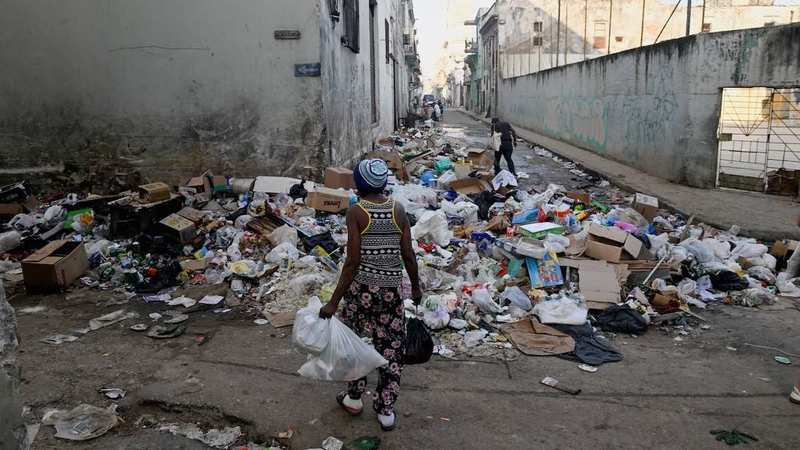
A less discussed but critically important casualty of the fuel shortage is the collapse of municipal garbage collection services. Sanitation trucks require diesel to operate, and without it, collection routes have been suspended. This has led to the accumulation of uncollected waste in streets and neighborhoods, creating significant public health and environmental hazards. The piles of garbage attract pests and increase the risk of disease outbreaks, adding another layer of crisis to an already strained population. The visual of overflowing trash bins underscores the systemic nature of the breakdown, where a single resource constraint can unravel basic civic functions.
Root Causes and the Path Forward
The immediate cause of the crisis is identified as a severe shortage of oil, exacerbated by a longstanding US economic blockade that restricts Cuba's ability to freely trade for energy resources. This external pressure, combined with internal economic challenges, has created a perfect storm. For Cuban residents, the path forward is fraught with difficulty, requiring resilience and adaptation as they face shortages of basic necessities compounded by failing infrastructure. The international community watches as the humanitarian situation develops, with the crisis serving as a stark reminder of how geopolitical tensions can directly and severely impact civilian life.