Security and Humanitarian Crisis Unfolds as al-Hol Camp Population Plummets
The population of Syria's notorious al-Hol camp has dramatically decreased from approximately 24,000 to just a few thousand following a chaotic handover from the Kurdish-led Syrian Democratic Forces (SDF) to Syrian government control in January 2026. This rapid exodus, involving both Syrian nationals and foreign detainees with alleged ISIL links, has raised significant security concerns among analysts and humanitarian organizations. The uncoordinated departure methods—including possible smuggling, forced busing, and mass breakouts—have left many families vulnerable to exploitation, trafficking, or recruitment by armed groups, while creating uncertainty about their legal status and safety.
The al-Hol camp in northeastern Syria, once housing tens of thousands of detainees with alleged links to the Islamic State (ISIL), has undergone a dramatic and concerning transformation. According to humanitarian, diplomatic, and local sources, the camp's population has plummeted from about 24,000 residents earlier in 2026 to potentially just a few thousand. This mass exodus followed a sudden and chaotic handover of control from the Kurdish-led Syrian Democratic Forces (SDF) to the Syrian government in January, sparking immediate security alarms and humanitarian crises.
The Chaotic Handover and Mass Exodus
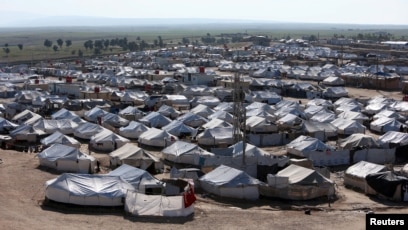
The al-Hol camp, located near the Syria-Iraq border in Hasakah governorate, was established by the SDF after the territorial defeat of ISIL in 2019. For years, it served as the largest detention facility for individuals suspected of affiliations with the extremist group, including approximately 6,000 third-country nationals from outside Syria and Iraq. Control shifted abruptly in January 2026 when a Syrian government offensive in the northeast forced the SDF to withdraw, ostensibly placing the camp under Damascus's authority.
Details surrounding the departure of thousands of detainees remain murky and contradictory. Sources indicate that most Syrian nationals left for their home towns, while many foreigners traveled west to government strongholds in Idlib or Aleppo governorates. The methods of exit varied widely: some detainees reported being directed to board buses by unspecified authorities, while others described pushing past overwhelmed guards during mass breakouts. Smugglers are also believed to have facilitated the movement of both Syrians and foreigners. As reported by Al Jazeera, aid workers and diplomatic sources consider these accounts feasible given the camp's vast size and the disorderly transition of power.
Mounting Security and Protection Risks
The uncoordinated nature of this mass transfer has generated profound security concerns among analysts and international observers. The lack of verified information means families who were moved cannot be certain if they have been liberated or effectively kidnapped, creating acute protection risks. Beatrice Eriksson, spokesperson for Repatriate the Children's Swedish branch, emphasized to Al Jazeera that the movement "did not happen in a controlled or officially coordinated manner."
Analysts worry that individuals leaving the camp could bolster groups seeking to destabilize Syria. A recent UN report highlighted that Syrian President Ahmed al-Sharaa faced five foiled ISIL assassination attempts in the past year alone. Caroline Rose of the New Lines Institute warned that if radicalized detainees support ISIL attacks, it could represent a major blow to the Syrian government and increase public distrust. The situation is further exacerbated by the emergence of threatening videos, such as one featuring a man in the former camp director's office, underscoring the volatile security environment.
Humanitarian Fallout and International Responsibility
Beyond security, the crisis has severe humanitarian implications. For years, al-Hol was criticized by rights groups like Doctors Without Borders (MSF) for inadequate food, water, and medical care, with detainees describing it as a prison. While ending indefinite detention is a positive step, the chaotic dissolution of the camp has potentially made vulnerable populations—particularly women and children—more exposed to trafficking, exploitation, or recruitment by armed groups.
Sarah Sanbar, a researcher at Human Rights Watch, stated that the immediate priority must be identifying and protecting these individuals. She called on countries of origin to "step up and repatriate them in a coordinated, safe, and dignified way," rather than leaving them to navigate smuggling routes and conflict zones alone. The plight of foreign nationals remains dire, with many stranded in Syria despite years of pleading for repatriation, as their home governments have largely refused to act.

Broader Implications and the Road Ahead
The events at al-Hol have ripple effects on other detention facilities in the region, such as the nearby Roj camp, which remains under SDF control. Residents there now fear a similar, disorderly dismantling, with one European woman telling Al Jazeera she often falls asleep in fear amid nightly SDF raids. She expressed desperation for repatriation but anxiety about being sent to Idlib and trapped in Syria indefinitely.
The al-Hol crisis underscores the international community's failure to address the long-standing problem of repatriating foreign detainees. It also highlights the fragility of security arrangements in post-conflict Syria and the human cost of political inaction. Moving forward, coordinated efforts between the Syrian government, local authorities, and international actors are essential to mitigate security threats, provide humanitarian assistance, and find durable solutions for the displaced, ensuring that the closure of one camp does not seed multiple new crises.