US-Mediated Ukraine-Russia Peace Talks Commence in Geneva Amid Ongoing Conflict
A new round of US-mediated peace talks between Ukraine and Russia has begun in Geneva, Switzerland, as the war approaches its fifth year. The negotiations, held behind closed doors, aim to address security, humanitarian issues, and a potential energy ceasefire. This diplomatic effort unfolds against a backdrop of continued military strikes, including heavy Russian air attacks on Ukrainian infrastructure. The talks represent a critical attempt to forge a path toward a sustainable peace framework, balancing territorial sovereignty with long-term security guarantees for Ukraine.
A significant diplomatic effort is underway as negotiators from Ukraine and Russia, with US mediation, have commenced a new round of peace talks in Geneva, Switzerland. These negotiations, which began on February 17, 2026, and are scheduled to continue for two days, represent a pivotal attempt to find a path toward ending a conflict that is about to enter its fifth year. The talks are being conducted behind closed doors without media presence, focusing on a complex agenda that includes security, humanitarian concerns, and notably, discussions for an energy ceasefire to halt attacks on civilian power grids.

Context and Agenda of the Geneva Negotiations
The current round of talks follows previous discussions held in the United Arab Emirates. According to reports from Al Jazeera, the agenda has expanded compared to earlier rounds. Lead Ukrainian negotiator Rustem Umerov stated the delegation is working on "security and humanitarian issues" with a mandate and frameworks approved by President Volodymyr Zelenskyy. In a post on X, Umerov thanked the US Trump administration "for its engagement and consistent work in the negotiating process," emphasizing a focus on advancing solutions for a sustainable peace.
Military Reality and Humanitarian Crisis
The pursuit of diplomacy occurs against a stark reality of ongoing violence. Just prior to the talks, Russia carried out heavy overnight air attacks across Ukraine. President Zelenskyy reported that strikes on the power network in Odesa left tens of thousands without heat and water. Simultaneously, the Russian Ministry of Defence claimed to have destroyed 19 Ukrainian drones over regions including Belgorod, Kursk, and Crimea on the day talks began. This juxtaposition of negotiation and conflict underscores the immense challenge facing diplomats.

The human cost of the war remains staggering. UNICEF reports that more than a third of Ukrainian children, approximately 2.6 million, remain displaced. This figure includes over 791,000 children internally displaced within Ukraine and nearly 1.8 million child refugees living abroad. Regina De Dominicis, UNICEF’s regional director, noted, "For children in Ukraine, safety is increasingly hard to come by as attacks on civilian areas continue across the country. In many ways, the war is following these children."
International Dimensions and Sticking Points
The talks are inherently trilateral, involving Ukraine, Russia, and the United States. Analysis from Washington, DC, highlights a "tall list" of sticking points. Key challenges include negotiating an end to the war that involves "balanced concessions," particularly regarding territory, while preserving Ukraine’s sovereignty and providing it with acceptable long-term security guarantees. The US role is to mediate a framework that is ultimately acceptable to Kyiv.
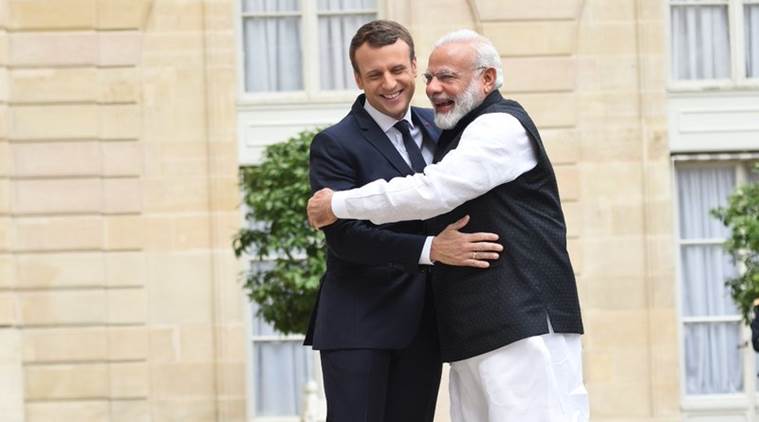
Internationally, other leaders are weighing in. During a meeting in Mumbai, French President Emmanuel Macron urged Indian Prime Minister Narendra Modi to support "the establishment of an immediate and lasting moratorium on attacks against civilians and civilian infrastructure." This appeal is significant given India's position as a major buyer of Russian oil, a relationship that has expanded since 2022 and provides crucial revenue to Moscow despite Western sanctions.
Path Forward and Conclusion
The Geneva talks represent a critical, though fragile, diplomatic channel. With discussions held in secrecy and a broad agenda covering political, military, humanitarian, and energy issues, the potential for breakthrough remains uncertain. The fundamental goal, as outlined by US analysts, is to move beyond limited humanitarian exchanges toward a broader ceasefire and a viable peace framework. Success will require navigating deeply entrenched positions on sovereignty, security, and territory. As the world watches, the negotiations in Geneva carry the heavy burden of seeking an end to a prolonged and devastating conflict, offering a glimmer of hope amidst the persistent sounds of war.