Canadian Premiers Push for EV Tariff Removal to Resolve Canola Trade Dispute with China
Manitoba Premier Wab Kinew and Saskatchewan Premier Scott Moe are urging the federal government to eliminate Canada's 100% tariff on Chinese electric vehicles, hoping this concession will prompt Beijing to lift its 76% duties on Canadian canola. The trade dispute has significantly impacted Prairie province exports, with Saskatchewan experiencing a 76% drop in goods exported to China in August 2025 compared to the same period last year. While the premiers see an opportunity following recent remarks from China's ambassador, other political leaders including Ontario Premier Doug Ford and Conservative Leader Pierre Poilievre oppose removing the EV tariffs, creating a complex diplomatic challenge for the federal government.
Canadian provincial leaders are navigating a delicate trade balancing act as Manitoba and Saskatchewan premiers call for strategic tariff concessions to resolve an escalating agricultural trade dispute with China. The conflict centers on Canada's 100% tariff on Chinese electric vehicles and China's retaliatory 76% duty on Canadian canola, creating significant economic pressure on both nations' key industries.
The Diplomatic Opportunity
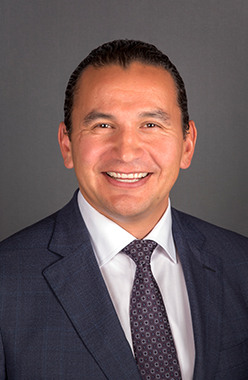
Manitoba Premier Wab Kinew has seized on recent comments from Chinese Ambassador Wang Di, who indicated through a translator that China would consider lifting its tariffs on Canadian canola and pork if Canada removes its electric vehicle duties. In a letter to Prime Minister Mark Carney, Kinew urged the federal government to "seize the opportunity presented by recent remarks from the Chinese ambassador to Canada." The ambassador's comments, made during a CTV interview aired in October 2025, represent the most direct signal yet of potential resolution to the trade impasse.
Economic Impact on Prairie Provinces
The canola tariffs have hit Saskatchewan particularly hard, with new Statistics Canada data revealing a dramatic 76% decline in the province's exports to China during August 2025 compared to the same month last year. This represents a $96 million reduction in trade, with approximately 60% of Saskatchewan's exports to China consisting of farming and food products. The decline has been consistent since June, creating mounting pressure on provincial leaders to find a resolution.

Divergent Political Perspectives
While Prairie premiers advocate for tariff removal, other political leaders maintain opposing positions. Ontario Premier Doug Ford has strongly defended the EV tariffs, arguing they are "critical to protecting more than 157,000 direct jobs in Ontario and hundreds of thousands of indirect jobs across the country." Conservative Leader Pierre Poilievre has taken an even harder line, characterizing Chinese electric vehicles as "roving surveillance operations on our streets." This political division creates a complex challenge for federal decision-makers.
Federal Government Position
The federal government has maintained a cautious approach to the trade dispute. Finance Minister Francois-Philippe Champagne's office confirmed in mid-September that a review was underway regarding the EV tariff decision, though no timeline for completion was provided. Prime Minister Carney acknowledged the ongoing discussions in early September, stating "We have begun more intense engagement with China with respect, first and foremost, to canola and other agricultural products. It's too early to come to any conclusions." The government's measured response reflects the competing economic interests at stake.

Strategic Considerations
International trade lawyer Mark Warner noted the strategic complexity of the situation, observing that "China knows what sectors to squeeze to get a rise out of Canadian politicians." He highlighted the fundamental trade-off: asking Canadian farmers to absorb economic losses for an electric vehicle industry that isn't yet established in Canada. This dynamic creates inherent tension between protecting existing agricultural exports and potential future automotive manufacturing.
The resolution of this trade dispute will require careful balancing of regional economic interests, international diplomatic relations, and long-term industrial strategy. As Foreign Affairs Minister Anita Anand visits China, the federal government faces pressure to find a solution that addresses both the immediate needs of Canadian farmers and the broader strategic considerations of Canada's trade relationship with China.