Read on nature.com
Essential Strategies for Preserving Lung Health
The respiratory system is our body's vital pneumatic engine, silently working with every breath. While often taken for granted, lung health is increasingly threatened by environmental pollutants, diseases like pulmonary fibrosis, and emerging challenges. This article explores the key factors affecting respiratory wellness, from the damaging impact of the 'exposome' to the promising frontiers of medical research aimed at healing and diagnosis. Understanding these elements is the first step toward proactive preservation of our most essential biological function.
The rhythmic cycle of breathing is a fundamental, often unnoticed, process essential for human survival. However, the lungs, acting as the body's pneumatic engines, are constantly exposed to a barrage of environmental threats that can compromise their function. Preserving respiratory health requires a multifaceted understanding of these threats, the diseases they can cause, and the emerging strategies for protection, diagnosis, and treatment. This article outlines the core pillars of lung health preservation, drawing on current scientific perspectives to highlight why proactive care is more critical than ever.
The Environmental Assault: Understanding the Exposome
The concept of the 'exposome'—the totality of environmental exposures a person encounters from conception onward—is crucial for understanding lung health. The air we breathe is frequently contaminated with allergens, smoke, and various pollutants that can wreak havoc on respiratory tissues. This includes both outdoor air pollution and, significantly, indoor air quality, which is more directly under human control but often overlooked. As highlighted in Nature Outlook: Lung Health, stronger regulatory measures are needed to govern indoor air quality to mitigate this silent threat.
Major Threats to Respiratory Function
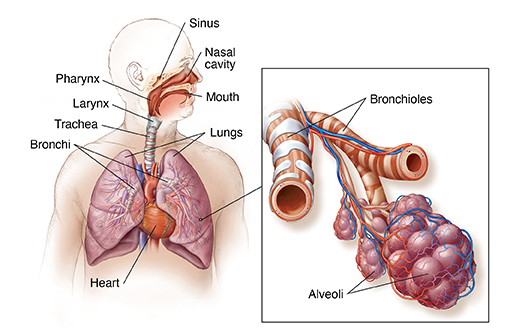
When the respiratory system is compromised, several serious conditions can arise. Pulmonary fibrosis, characterized by scarring around the lung's tiny air sacs (alveoli), leads to chronic coughing, severe shortness of breath, and is often fatal within a few years. It represents one of the most intense areas of focus in pulmonary medicine due to the lack of effective treatments. Other prevalent conditions include chronic obstructive pulmonary disease (COPD) and the lingering respiratory effects associated with long COVID. Each of these underscores the vulnerability of the lungs and the importance of early intervention.
Frontiers in Treatment and Healing
Despite the challenges, medical research offers a beacon of hope. The development of new drugs aims to finally bring relief for conditions like idiopathic pulmonary fibrosis, with several candidates on the horizon. Perhaps even more promising is research focused on unlocking the lung's innate ability to heal itself. This regenerative approach could lead to groundbreaking treatments not only for fibrosis but also for other chronic lung conditions. The potential to reverse damage rather than just manage symptoms represents a paradigm shift in respiratory medicine.
The Critical Role of Improved Diagnosis
Advanced treatments can only be effective if diseases are accurately and promptly identified. Current efforts to improve diagnosis involve cutting-edge technologies, including artificial intelligence (AI) and innovative, high-resolution imaging. These tools promise to give clinicians a clearer, more detailed view of the lungs, enabling earlier detection of abnormalities like scarring or inflammation. Enhanced diagnostic precision is a cornerstone of preserving lung health, as it allows for timely and targeted therapeutic interventions.
Proactive Preservation Strategies
Beyond medical treatment, individuals can take proactive steps to protect their respiratory health. A simple yet powerful strategy supported by research is spending time in natural environments like forests—a practice sometimes called 'forest bathing'—which has been linked to measurable improvements in lung function. Furthermore, advocating for and implementing measures to clean both outdoor and indoor air is a societal imperative. Personal choices to avoid smoking and reduce exposure to known pollutants are equally vital first-line defenses.

Conclusion: A Breath of Hope
Preserving the respiratory system is an ongoing challenge that sits at the intersection of environmental science, public policy, and advanced medicine. From mitigating the dangers of the exposome to harnessing the body's regenerative potential and leveraging AI for diagnosis, the path forward is multifaceted. While threats like pollution and pulmonary fibrosis are significant, the concerted efforts of researchers, clinicians, and informed individuals provide a strong foundation for optimism. By understanding these dynamics and supporting continued innovation, we can all work towards ensuring that every breath remains a testament to health and vitality.