The Ultimate Guide to Choosing the Best Ski Gloves and Mittens
Warm, dry hands are essential for enjoying your time on the mountain, whether you're a beginner or an expert. This guide breaks down the key features to look for in ski gloves and mittens, from waterproofing and insulation to dexterity and durability. We'll help you understand the differences between gloves and mittens, how to find the right size, and what materials work best for various conditions. With the right pair, you can stay comfortable and focused on the slopes all day long.
For any skier or snowboarder, cold, wet hands can quickly turn a day of fun into a miserable experience. The right pair of ski gloves or mittens is not just an accessory; it's essential equipment that protects against the elements and ensures comfort and safety. This guide synthesizes expert testing and reviews to help you navigate the key features, materials, and designs that define the best options on the market. Whether you're braving extreme cold, seeking versatile hybrid models, or need dexterity for backcountry adventures, understanding what makes a great glove will lead to warmer fingers and more fun on the mountain.
Gloves vs. Mittens: Choosing the Right Style
The fundamental choice between gloves and mittens hinges on the trade-off between warmth and dexterity. Mittens, where fingers share a single compartment, are generally warmer because they allow fingers to generate and share heat collectively. This makes them an excellent choice for extremely cold conditions, beginners, or anyone who prioritizes maximum warmth. However, this design significantly reduces finger dexterity, making simple tasks like adjusting bindings, using a phone, or handling snacks more challenging.
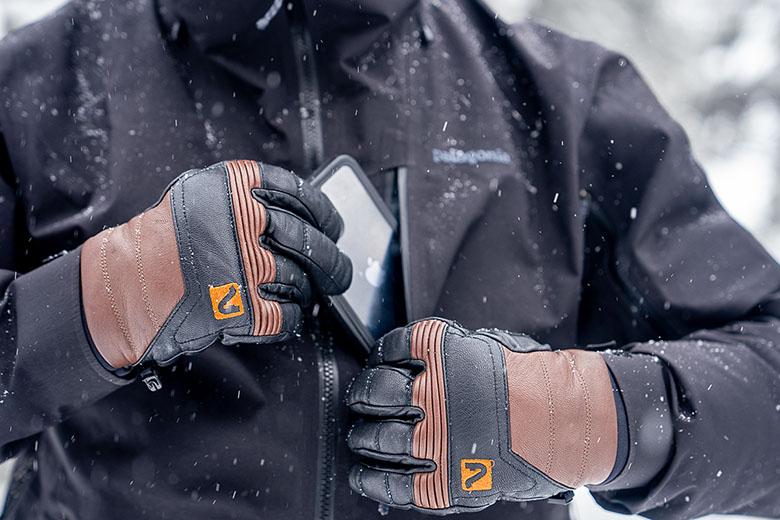
Gloves, with individual finger compartments, offer superior dexterity. This is crucial for advanced skiers, backcountry tourers, or resort skiers who need to frequently adjust equipment. While typically not as warm as mittens, modern gloves with advanced insulation can perform exceptionally well in most conditions. A third, less common option is the hybrid "lobster" or split mitten, which groups two or three fingers together, offering a middle ground between warmth and dexterity that is popular in very cold climates.
Essential Features for Warmth and Performance
When selecting ski handwear, several critical features determine performance, durability, and comfort. Understanding these elements will help you invest in a pair that meets your specific needs and lasts for seasons.
Waterproofing and Breathability
A waterproof and breathable membrane is non-negotiable for keeping hands dry from both external snow and internal sweat. The industry gold standard is a Gore-Tex liner, which provides guaranteed waterproof protection even in wet spring slush. Brands also use their own proprietary membranes, like Mammut's DRY technology. The outer shell should also have a durable water repellent (DWR) coating to cause moisture to bead up and roll off. Without proper waterproofing, gloves will become saturated, leading to rapid heat loss and cold hands.
Insulation Types and Warmth Ratings
Insulation is measured in grams per square meter (g/m²), with higher numbers indicating greater warmth. Premium synthetic insulations like Primaloft Gold or Silver are common because they retain warmth even when wet and are often made with recycled materials. Some gloves list a temperature rating (e.g., -25°F / -31°C), which provides a useful guideline. Remember that warmth is subjective and depends on your circulation, activity level, and overall layering. For maximum versatility, consider owning a lighter glove for spring skiing and a heavily insulated mitten for deep winter.
Durability and Materials
The outer material must withstand abrasion from ski edges, poles, and rough use. Most gloves use a durable polyester or nylon shell, often reinforced with leather on high-wear areas like the palms and fingers. Full-grain leather, such as goat or cowhide, is a premium option found on brands like Hestra and Swany. It is incredibly durable, molds to your hand over time, and offers natural water resistance, though it may require periodic conditioning with leather cream to maintain its properties.

How to Find the Perfect Fit
A proper fit is arguably the most important factor for warmth and performance. A glove that is too tight will restrict blood flow, making your hands cold. A glove that is too loose creates dead air space that can actually reduce warmth and hampers dexterity. To find your size, measure the circumference of your dominant hand around the knuckles, excluding the thumb. Compare this measurement to the manufacturer's specific size chart, as sizing can vary significantly between brands.
When trying on gloves, your fingertips should gently touch the end of the glove without being cramped. Make a fist to ensure the palm material doesn't pull too tightly. Also, consider the cuff style: longer gauntlet-style cuffs are designed to go over your jacket sleeve to seal out snow, while shorter cuffs typically tuck under the sleeve and are preferred for touring or warmer weather. Always try gloves on with the jacket you intend to ski in to check for compatibility.
Specialized Options for Every Skier
The market offers specialized designs tailored to different activities and users. For backcountry ski tourers who generate heat on ascents but need protection on descents, hybrid 3-in-1 systems like the Black Diamond Helio Tour Gloves are ideal. They combine a weatherproof over-mitt with a removable, dexterous softshell glove and a liner. For children, features like extra-long cuffs, easy-on designs, and ventilation zippers (as seen in the Burton Kid's Vent Mittens) are key for comfort and heat management.
For those with severe circulation issues or who ski in extreme cold, battery-heated gloves like the Eddie Bauer Guide Pro offer active warming technology. While heavier and more expensive, they can be a game-changer. On the other end of the spectrum, classic leather work-style gloves, or vegan synthetic alternatives like the Dakine Mack Gloves, offer excellent dexterity and a casual look for spring conditions or resort wear.

Conclusion: Investing in Comfort and Performance
Choosing the best ski gloves or mittens is an investment in your mountain enjoyment. There is no single "best" pair for everyone; the right choice depends on your typical skiing conditions, desired dexterity, and personal comfort. Prioritize waterproofing with a reliable membrane, select an insulation level appropriate for your coldest days, and ensure a precise fit. Don't overlook practical features like leashes to prevent loss on chairlifts or removable liners for faster drying. By carefully considering these factors, you can select handwear that keeps you warm, dry, and ready to make the most of every run, from the first chair to the last.