Read on bbc.com
The Sale of Licola: A Tiny Australian Town's Uncertain Future
The entire village of Licola, one of Australia's smallest towns with a population of just five, has been listed for sale by its owner, the Lions Club. The decision has sparked significant concern among its few residents and the broader regional community, who fear the town's unique character and vital services could be lost. The sale highlights the challenges of maintaining remote community assets and raises questions about the future of a place that has served as a crucial pit stop and a camp for disadvantaged youth for decades.
The quiet rhythm of life in Licola, a remote Victorian outpost with a permanent population of five, has been disrupted by a listing that has shocked its tight-knit community: the entire town is for sale. Tucked away in the rugged bushland of Victoria's high country, a three-hour drive from Melbourne, Licola consists of a general store, a caravan park, a petrol station, and a few weatherboard buildings. Privately owned by the Lions Club for over 50 years, the town has been a guaranteed pit stop for travellers heading to the Alpine National Park and a base for youth outreach programs. The club's decision to sell the village for an asking price between A$6 million and A$10 million has raised alarm bells, with residents and locals fearing for the town's future and its essential community role.
The Heart of Licola: A Community in Peril
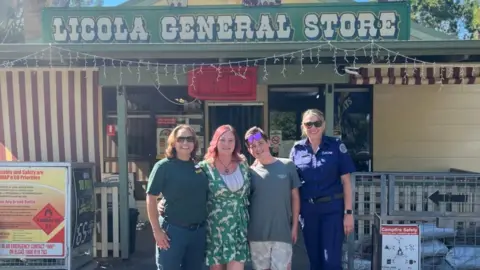
At the centre of the controversy is Leanne O'Donnell, who runs the Licola General Store and Caravan Park. She and her family are the town's only full-time residents. O'Donnell purchased the business in 2022, operating under a lease for the buildings owned by the Lions Club. She describes Licola as "an amazing place" and aimed to make it "a home away from home," serving as the main point of contact for everyone from truck drivers to emergency services. Her world was upended in January 2025 when the Lions Village Licola board informed her they were selling the town due to sustained financial losses. Despite her offers to help fundraise, the board was unmoved and ultimately informed her they would not renew her lease, effectively forcing her business to close. O'Donnell has been told to vacate by 31 January 2026, leaving her with nowhere to relocate her essential service within the isolated community.
The Lions Club's Rationale for the Sale
The Lions Village Licola board has stated that the decision to sell was "not made lightly" and followed an operational review shared with Lions members across Victoria. According to a statement to the BBC, the board cited rising costs, soaring insurance prices, aging accommodation, and a decline in camp attendance as making ownership unsustainable. Chairman Denis Carruthers emphasized the board's responsibility to protect the mission of supporting disadvantaged youth, not just the physical space. The board stated that O'Donnell's lease was not renewed "to consolidate revenue during a period of financial stress." All proceeds from the sale are intended to be reinvested into a new foundation to fund children's camps across Victoria, though it is unclear if future camps will be held in Licola itself.

Community Backlash and Broader Implications
The sale has provoked intense backlash from the surrounding regional community and within the Lions organization itself. An online petition to save the store and renew O'Donnell's lease has garnered over 8,000 signatures. Comments on social media and the store's Facebook page express outrage, with concerns that closing the store during peak season is "stupidity at its best" and that the sale "impacts MANY Victorians." Some Lions members have accused the board of acting without proper consultation. The backlash grew so severe that the board reported its staff were receiving threats. The situation underscores the deep emotional and practical connections small, remote towns foster and the significant disruption caused when their core services are threatened. The future of Licola now rests with an unknown buyer, whose intentions for the town—whether preservation, development, or something else—remain a source of great anxiety for those who call it and its surrounding region home.