Read on France 24
French Authorities Seek Victims in Historic Child Abuse Case Spanning Decades
French prosecutors have taken the extraordinary step of publicly identifying a 79-year-old man, Jacques Leveugle, accused of sexually assaulting 89 minors over more than five decades. The case, described as unusually sprawling and spanning multiple countries, has prompted a major appeal for witnesses and potential victims. Grenoble prosecutor Étienne Manteaux also revealed the suspect has acknowledged killing his mother and aunt, leading to a parallel murder investigation. This article examines the details of the case, the legal strategy behind the public appeal, and its implications for justice and victim support.
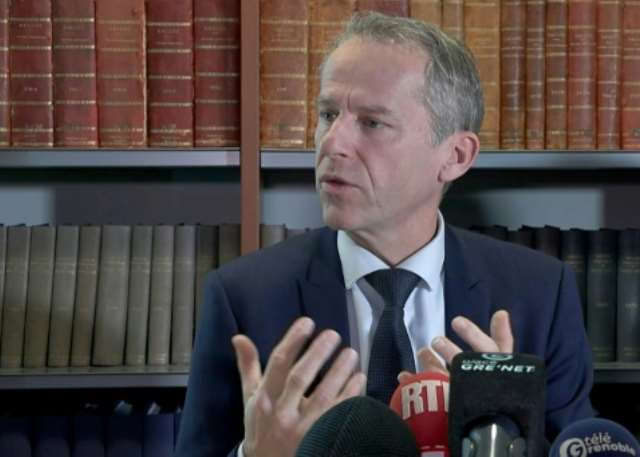
In an unprecedented move highlighting the scale of a horrific investigation, French judicial authorities have publicly named a suspect in one of the most extensive child abuse cases in the nation's recent history. The decision to reveal the identity of 79-year-old Jacques Leveugle, accused of raping and sexually assaulting 89 minors over a period exceeding fifty years, marks a critical phase in an investigation that spans international borders. Grenoble prosecutor Étienne Manteaux announced the appeal for witnesses and potential victims on Tuesday, describing the case's geographic and temporal scope as "unusually sprawling." This public appeal represents a strategic effort to uncover the full extent of the alleged crimes and ensure all victims have a pathway to justice.

Details of the Case and the Public Appeal
The core of the investigation centers on allegations against Jacques Leveugle, who now faces accusations related to 89 identified minor victims. According to information released by the Grenoble prosecutor's office and reported by France 24, the alleged abuse occurred over more than five decades, suggesting a pattern of predatory behavior that persisted for a significant portion of the suspect's adult life. Prosecutor Étienne Manteaux emphasized that the case is not confined to France, indicating that the alleged crimes took place in multiple countries, which complicates the investigative process and underscores the need for a broad, public call for information.
The Legal Strategy Behind Naming the Suspect
Publicly identifying a suspect before a trial is a relatively rare step in the French judicial system, typically reserved for cases where the public interest in solving major crimes outweighs the suspect's presumption of privacy. By releasing the name and age of Jacques Leveugle, authorities aim to bypass the limitations of a closed investigation. This tactic is designed to reach individuals who may have been victimized but have never come forward, perhaps due to shame, fear, or the passage of time. The appeal explicitly seeks witnesses and "possible victims," acknowledging that the current count of 89 minors may not represent the full totality of the harm caused.
Parallel Investigation into Homicides
In a shocking development that adds another layer of gravity to the proceedings, Prosecutor Manteaux disclosed that Jacques Leveugle has also acknowledged killing his mother and his aunt. This admission has triggered a separate, parallel murder investigation. While details surrounding these homicides remain unclear from the initial announcement, their linkage to the primary suspect suggests a broader pattern of violent behavior. The integration of these homicide inquiries with the child abuse case will likely require extensive forensic and historical investigation to establish timelines, motives, and evidence.
Implications for Justice and Victim Support
The scale and duration of the alleged abuses present immense challenges for the justice system. Investigating crimes that may have occurred decades ago involves navigating faded memories, lost evidence, and complex statutes of limitations, which can vary by crime and jurisdiction. For the victims, this public appeal may offer a long-awaited opportunity for recognition and closure. Support systems for victims of historical abuse will be crucial, as coming forward can re-traumatize individuals. The case also raises significant questions about how such extensive alleged offending could continue undetected for so long across different countries.

Conclusion
The public identification of Jacques Leveugle by French prosecutors is a stark reminder of the enduring search for justice in cases of profound abuse. By launching this widespread appeal, authorities are attempting to piece together a puzzle of alleged crimes spanning over half a century and multiple nations. The parallel murder investigation further deepens the severity of the situation. The outcome of this case will be closely watched, as it tests the limits of legal systems to address historical crimes and provide solace to victims whose suffering may have remained hidden for decades. It underscores a judicial commitment to leaving no stone unturned in the pursuit of truth, no matter how much time has passed.