Read on France 24
Nicaragua's Media Blackout: Inside the Forgotten Dictatorship
Since the deadly 2018 crackdown on protests, Nicaragua has transformed into one of the world's most closed societies. The Ortega-Murillo regime has systematically exiled opponents, silenced independent media, and banned foreign journalists, creating an information vacuum that has earned the country comparisons to North Korea. This article examines how this media blackout operates and the efforts by journalists to report on the situation from neighboring Costa Rica, where hundreds of thousands of Nicaraguans now live in exile.
In the heart of Central America, a profound silence has descended over Nicaragua. Since the government's violent response to mass protests in 2018, the country has undergone a dramatic transformation into what observers describe as a "tropical North Korea"—a nation sealed off from international scrutiny and dominated by a media blackout of unprecedented scale. This systematic suppression of information has created one of the Western Hemisphere's most opaque regimes, where independent journalism has been effectively eradicated and the population exists in an informational vacuum.
The Architecture of Silence
The foundation of Nicaragua's information control rests on three pillars: the exile of political opponents, the silencing of local independent media, and the complete exclusion of foreign journalists. According to reporting by FRANCE 24, this trifecta of suppression has created what amounts to a total media blackout. The regime, led by the husband-and-wife team of Daniel Ortega and Rosario Murillo, has methodically dismantled the country's democratic institutions and free press since consolidating power.
This control mechanism operates with remarkable efficiency. Independent media outlets have been systematically shut down through legal harassment, asset seizures, and intimidation of journalists. Those who dare to report critically on the government face immediate repercussions, ranging from imprisonment to forced exile. The result is a media landscape dominated by state-controlled outlets that serve as propaganda arms for the regime, presenting a carefully curated version of reality that excludes dissent or criticism.
The Ortega-Murillo Dynasty
At the center of Nicaragua's authoritarian transformation stands an extraordinary political arrangement: the country is effectively ruled by a husband-and-wife team often described as "co-presidents." Daniel Ortega and Rosario Murillo, once celebrated figures of the Sandinista revolution that overthrew the US-backed Somoza dictatorship in 1979, have undergone a dramatic political evolution. Today, they stand accused by former allies and international observers of betraying the very ideals that brought them to power decades ago.
The consolidation of their power has been accompanied by the systematic elimination of political competition. Most of the Sandinista revolution's original leaders now find themselves in prison, exile, or deceased. This purge has created a political environment where dissent is not merely discouraged but actively persecuted. The regime's approach to governance combines revolutionary rhetoric with authoritarian practices, creating a unique form of dynastic rule that has proven remarkably resilient despite international condemnation.
Reporting from Exile
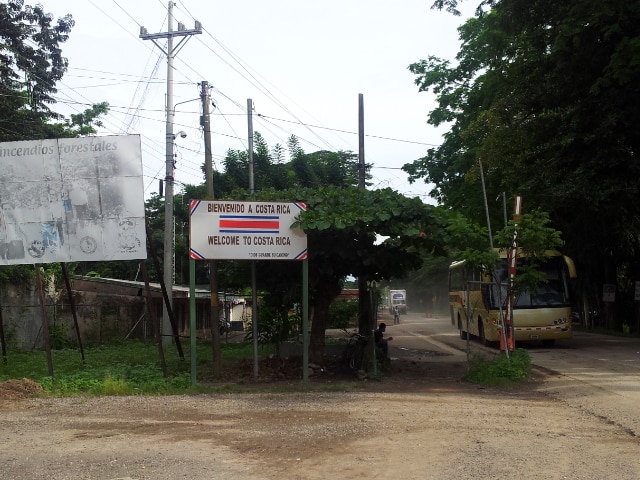
Faced with the impossibility of reporting from within Nicaragua, international journalists have been forced to innovate. As documented by FRANCE 24 correspondents Laurence Cuvillier and Matthieu Comin, the only viable approach to covering Nicaragua's situation involves working from neighboring Costa Rica. This Central American nation has become home to several hundred thousand Nicaraguan exiles—a diaspora community that represents both a tragedy of displacement and a potential source of information about conditions inside the closed country.
Reporting from exile presents significant challenges. Journalists must verify information through second-hand sources, navigate the trauma of exiled communities, and contend with the regime's efforts to discredit external reporting. Despite these obstacles, the work of journalists operating from Costa Rica represents a crucial effort to break the information blockade surrounding Nicaragua. Their reporting provides glimpses into a society where basic freedoms have been systematically eroded and where citizens live under constant surveillance and fear.

Regional and Global Implications
Nicaragua's transformation into an information black hole carries significant implications for the broader region. As the second-poorest nation in the Americas, the country's descent into authoritarianism represents both a human rights catastrophe and a geopolitical challenge. The regime's ability to maintain power despite international sanctions and condemnation suggests a new model of resilience for authoritarian governments in the region—one based on total information control rather than popular support.
The international community faces difficult questions about how to respond to such a closed regime. Traditional diplomatic pressure appears ineffective against a government that has deliberately isolated itself from global opinion. Meanwhile, the Nicaraguan people continue to suffer the consequences of this isolation—cut off not only from the world but from accurate information about their own country's governance and future direction.
Conclusion: The Cost of Silence
Nicaragua's media blackout represents more than just a suppression of journalism; it signifies the death of public discourse and the triumph of authoritarian control over democratic accountability. The transformation of a country once celebrated for its revolutionary ideals into what observers call a "forgotten dictatorship" serves as a sobering case study in how quickly democratic institutions can be dismantled when information flows are severed.
The efforts of journalists reporting from exile in Costa Rica, while limited by their distance from events, remain essential for maintaining some connection between Nicaragua and the outside world. Their work underscores a fundamental truth: even the most comprehensive media blackout cannot completely eliminate the human desire for truth and accountability. As long as stories continue to emerge from the shadows of Nicaragua's closed society, hope persists that the silence will one day be broken.