How Pandemics Sweep Through U.S. Cities in Weeks: Lessons from H1N1 and COVID-19
A new study from Columbia University reveals how respiratory pandemics like H1N1 and COVID-19 can spread across U.S. metropolitan areas in just weeks, often outpacing early detection systems. The research, published in PNAS, used advanced computer simulations to trace transmission patterns, finding that air travel played a more significant role than daily commuting in driving nationwide spread. The study highlights the critical importance of early warning systems and wastewater surveillance for slowing future outbreaks.
The rapid spread of infectious diseases remains one of the most significant public health challenges of our time. A groundbreaking study from Columbia University's Mailman School of Public Health provides new insights into exactly how quickly pandemics can move through population centers. By comparing the 2009 H1N1 flu pandemic and the 2020 COVID-19 pandemic, researchers have developed a clearer picture of transmission dynamics that could shape future preparedness efforts.

The Speed of Pandemic Spread
Using advanced computer simulations, researchers traced how both H1N1 and COVID-19 spread across more than three hundred U.S. metropolitan areas. The findings, published in the journal Proceedings of the National Academy of Sciences, reveal a sobering reality: both pandemics achieved widespread circulation in most metro areas within just a few weeks. This rapid expansion often occurred before early case detection systems could identify the threat or before government response measures were implemented.
The scale of these outbreaks was substantial. According to the study, the 2009 H1N1 flu pandemic led to 274,304 hospitalizations and 12,469 deaths in the United States. The COVID-19 pandemic has been even more devastating, with 1.2 million confirmed deaths reported so far. These numbers underscore the critical importance of understanding transmission patterns to mitigate future outbreaks.
Key Drivers of Nationwide Transmission
The research identified several critical factors that contributed to the rapid spread of both pandemics. While H1N1 and COVID-19 followed somewhat different geographic routes between locations, they shared common transmission hubs that accelerated their nationwide dissemination.

The Role of Air Travel
Perhaps the most significant finding was the disproportionate role of air travel in driving pandemic spread. The simulations revealed that air travel played a much larger role than daily commuting in facilitating rapid transmission across the country. Major metropolitan areas with significant airport traffic, such as New York and Atlanta, served as critical nodes in the transmission network. These hubs effectively acted as amplifiers, distributing pathogens to connected cities and regions with remarkable efficiency.
Unpredictable Transmission Patterns
Another challenge identified by the research was the inherent unpredictability of pandemic spread. The simulations showed significant uncertainty in transmission patterns, making real-time forecasting particularly difficult. This unpredictability stems from multiple factors, including the potential for superspreading events, variations in population density and demographics, and the complex interplay between human mobility and viral characteristics.
Implications for Pandemic Preparedness
The study's findings have important implications for how public health officials approach future pandemic threats. The rapid and uncertain spread patterns underscore the limitations of traditional detection and response systems.
The Critical Need for Early Detection
"The rapid and uncertain spread of the 2009 H1N1 flu and 2020 COVID-19 pandemics underscores the challenges for timely detection and control," says the study's senior author, Sen Pei, PhD, assistant professor of environmental health sciences at Columbia Mailman School. This challenge points to the need for more robust early warning systems that can detect outbreaks before they achieve widespread circulation.
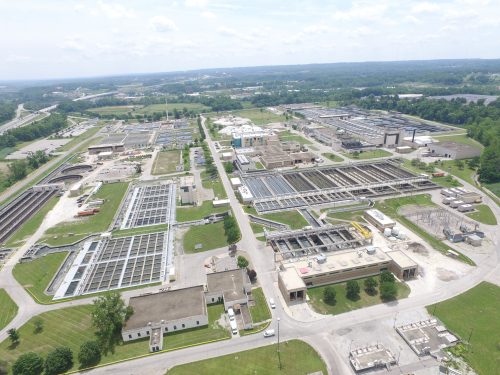
Wastewater Surveillance as a Solution
The research adds further support to the growing body of evidence highlighting the value of wastewater surveillance as an early warning tool. By monitoring wastewater for pathogens, public health officials can potentially detect outbreaks before clinical cases become apparent. The study suggests that expanding wastewater monitoring coverage, coupled with effective infection control measures, could play an important role in improving pandemic preparedness and slowing early transmission.
A Framework for Future Outbreaks
Beyond reconstructing the spread of past pandemics, the researchers developed a flexible framework that can be used to study the early stages of other outbreaks. This modeling approach accounts for multiple factors that influence pandemic spread, including human movement patterns, population demographics, school calendars, winter holidays, and weather patterns.
The research team, led by first author Renquan Zhang of Dalian University of Technology, represents a collaboration between multiple institutions, including Columbia University, Princeton, and the National Institutes of Health. For over a decade, Jeffrey Shaman and colleagues, including Sen Pei, have worked to improve methods for tracking and simulating the spread of infectious diseases, developing real-time forecasting tools that estimate outbreak growth, geographic spread, and peak timing.
Conclusion
The Columbia University study provides valuable insights into the dynamics of pandemic spread across U.S. cities. The rapid transmission of both H1N1 and COVID-19 within weeks highlights the critical window for intervention and the limitations of current detection systems. As the research demonstrates, air travel networks serve as powerful accelerators of disease spread, while unpredictable transmission patterns complicate forecasting efforts.
The path forward involves strengthening early detection capabilities, particularly through expanded wastewater surveillance, and developing more sophisticated modeling frameworks that can account for the complex factors influencing pandemic spread. By learning from past outbreaks, public health officials can better prepare for future threats, potentially slowing transmission and saving lives when the next pandemic emerges.