A Simple Blood Test Could Spot Parkinson's Disease Years Before Symptoms
A groundbreaking study from researchers in Sweden and Norway has identified a critical early window for detecting Parkinson's disease, potentially years or even decades before the onset of debilitating motor symptoms. By analyzing subtle biological signals in the blood related to cellular stress response and DNA repair mechanisms, scientists have discovered a unique biomarker pattern that appears exclusively during the disease's earliest, silent phase. This discovery paves the way for cost-effective, widespread blood screening tests that could revolutionize Parkinson's diagnosis and treatment, offering hope for interventions before significant brain damage occurs.
Parkinson's disease, a progressive neurological disorder affecting millions worldwide, has long presented a diagnostic challenge: by the time characteristic symptoms like tremors and rigidity appear, substantial and often irreversible damage has already occurred in the brain. A revolutionary study led by scientists at Chalmers University of Technology in Sweden and Oslo University Hospital in Norway is poised to change this paradigm. Published in the journal npj Parkinson's Disease, their research reveals that a simple blood test could detect the disease years—possibly decades—before its most damaging symptoms manifest, opening a vital window for early intervention.
The Critical Early Phase of Parkinson's Disease
Parkinson's disease develops insidiously over many years. Research indicates that the early, or prodromal, phase can last up to two decades before motor symptoms become apparent. During this prolonged period, biological changes are already underway at the cellular level, but they have remained largely invisible to current diagnostic tools. The Chalmers-led team focused on two fundamental cellular processes believed to be active during this silent stage: DNA damage repair and the cellular stress response. These are the body's internal mechanisms for maintaining genetic integrity and surviving environmental pressures.
Unveiling the Biomarker Signature
Using advanced machine learning and analytical techniques, the researchers scrutinized blood samples to identify patterns of gene activity. They discovered a distinct biological signature related to DNA repair and stress response that was present only in individuals in the early phase of Parkinson's. This pattern was absent in healthy control subjects and, notably, in patients who had already progressed to the symptomatic stage of the disease. "This means that we have found an important window of opportunity in which the disease can be detected before motor symptoms caused by nerve damage in the brain appear," explains Assistant Professor Annikka Polster, who led the study. The transient nature of this signature makes it a uniquely promising target for both early detection and the development of therapies aimed at the disease's root mechanisms.

The Promise of Blood-Based Screening
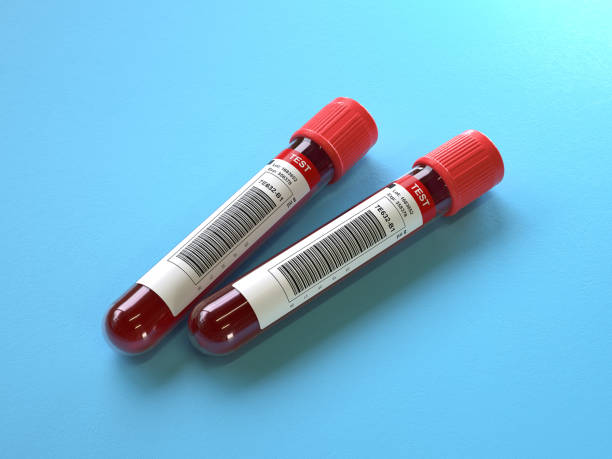
The global search for reliable early Parkinson's indicators has explored avenues like brain imaging and cerebrospinal fluid analysis, but these methods are often costly, invasive, and impractical for population-wide screening. The breakthrough of this study lies in its identification of biomarkers measurable in blood—a medium that is cost-effective and easily accessible. "This paves the way for broad screening tests via blood samples," states Polster. Such a test could be administered during routine check-ups, potentially identifying at-risk individuals long before clinical symptoms arise. The researchers estimate that blood tests based on this discovery could begin pilot testing in healthcare settings within five years.
Implications for Future Treatment and Research
Early detection is more than just a diagnostic triumph; it is the cornerstone of effective intervention. By the time motor symptoms emerge, an estimated 50–80% of the relevant dopamine-producing brain cells are often already lost. Identifying the disease in its prodromal phase allows researchers to study the active biological mechanisms of Parkinson's as they happen. "If we can study the mechanisms as they happen, it could provide important keys to understanding how they can be stopped and which drugs might be effective," says Polster. This knowledge could accelerate drug repurposing efforts—using existing medications for other conditions that target the same gene activities—and guide the development of novel neuroprotective therapies aimed at slowing or halting disease progression entirely.
Conclusion: A New Horizon in Neurological Care
The discovery of a transient blood-based biomarker signature represents a paradigm shift in the fight against Parkinson's disease. It moves the goalpost from managing symptoms after significant neurological damage to potentially preventing that damage from occurring in the first place. As the global population ages and the prevalence of Parkinson's is projected to more than double by 2050, the need for such proactive tools has never been greater. This research, detailed in the study "Longitudinal assessment of DNA repair signature trajectory in prodromal versus established Parkinson’s disease", offers a tangible and hopeful path forward. It underscores the power of interdisciplinary science to unlock the secrets of complex diseases and translate them into practical solutions that could improve millions of lives.