The Unsinkable Metal: How Superhydrophobic Tubes Could Revolutionize Marine Technology
Researchers at the University of Rochester have developed a groundbreaking technique that makes ordinary aluminum tubes permanently buoyant. By engineering the metal's interior surface to become superhydrophobic, the tubes trap air and refuse to sink, even when severely damaged or submerged for extended periods. This innovation, inspired by nature and detailed in Advanced Functional Materials, could lead to unsinkable ships, floating platforms, and novel wave energy systems, marking a significant step toward safer and more resilient marine infrastructure.
More than a century after the Titanic's tragic sinking, the quest for truly unsinkable vessels has remained a powerful motivator for engineers and scientists. A recent breakthrough from the University of Rochester's Institute of Optics brings this ambitious goal closer to reality. Researchers have developed a novel method to make ordinary aluminum tubes float indefinitely, regardless of damage or prolonged submersion. This technology, which leverages advanced surface engineering to repel water, could fundamentally transform marine transportation, offshore infrastructure, and renewable energy generation.
The Science of Superhydrophobic Floating
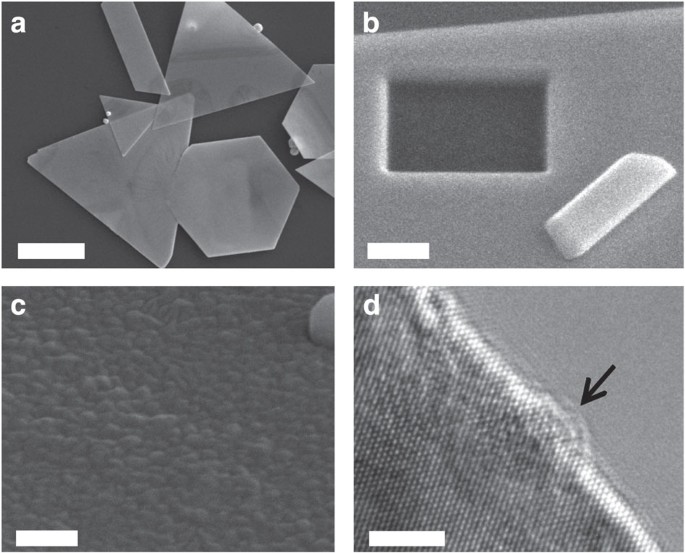
The core innovation lies in modifying the interior surface of aluminum tubes. Led by Professor Chunlei Guo, the team used laser etching to create microscopic and nanoscale pits on the metal's surface. This texturing transforms the material into a superhydrophobic state, meaning it strongly repels water and remains dry. When such a treated tube is placed in water, this water-repelling interior captures and maintains a stable pocket of air inside. This trapped air bubble prevents water from entering and filling the tube, thereby preserving its buoyancy. The principle is elegantly simple: by keeping water out, the tube avoids becoming heavy and sinking.
Inspired by Nature's Engineers
This approach mirrors survival strategies found in the natural world. The research draws inspiration from diving bell spiders, which carry air bubbles underwater to breathe, and fire ants, which link their water-resistant bodies to form floating rafts. The human-engineered version enhances this concept with structural design. A critical addition was a divider placed in the middle of the tube. "Importantly, we added a divider to the middle of the tube so that even if you push it vertically into the water, the bubble of air remains trapped inside and the tube retains its floating ability," explains Guo, as detailed in the study published in Advanced Functional Materials. This ensures stability even when the tube is oriented in non-ideal positions.

Unprecedented Durability and Stability
A key advancement over previous superhydrophobic floating devices is the remarkable resilience of the tube design. Earlier prototypes from Guo's lab in 2019 used sealed disks, which could fail if tilted at extreme angles. The new tube-based structure is not only simpler but demonstrably more robust. Laboratory tests subjected the tubes to rough, turbulent conditions simulating ocean environments for weeks, with no degradation in buoyancy observed. Most strikingly, the tubes maintained their ability to float even after sustaining significant physical damage. "You can poke big holes in them, and we showed that even if you severely damage the tubes with as many holes as you can punch, they still float," Guo states. This damage tolerance is a critical feature for real-world applications where impacts and wear are inevitable.
Potential Applications and Future Scale
The implications of this technology are vast. The researchers demonstrated that multiple tubes can be connected to form stable rafts, serving as foundational units for various marine structures. These could include the hulls of ships designed to be nearly unsinkable, durable buoys for navigation and research, and robust floating platforms for offshore operations or even habitation. In lab tests, tubes nearly half a meter long were successfully used, and Professor Guo confirms the design is scalable to sizes capable of supporting substantial loads. Beyond static flotation, the team explored dynamic applications. They demonstrated that rafts made from these superhydrophobic tubes could capture mechanical energy from moving water, pointing to a potential use in wave-powered renewable energy systems. This adds an exciting dimension where the same structure that provides buoyancy could also help generate clean electricity.

Conclusion: A New Era for Marine Engineering
The development of unsinkable, superhydrophobic metal tubes represents a significant leap forward in materials science and marine engineering. By solving the fundamental problem of water infiltration and weight gain, this technology addresses a centuries-old challenge in maritime safety. Supported by grants from the National Science Foundation and the Bill and Melinda Gates Foundation, the research paves the way for a future with more resilient ships, cost-effective floating infrastructure, and innovative approaches to harnessing ocean energy. As this technology moves from the laboratory toward commercialization, it holds the promise of making our interaction with the world's oceans safer, more efficient, and more sustainable.