Read on the Guardian
Gunfire and Blasts Target Niamey Airport, Destroying Aircraft Amid Niger's Political Turmoil
Gunfire and explosions rocked the main airport in Niger's capital, Niamey, reportedly destroying at least three commercial aircraft on the ground. The incident occurred near a strategic military base previously used by American and Russian forces. While authorities have not yet commented, the attack highlights the severe and deteriorating security situation in Niger following the 2023 military coup, which has led to international isolation and a surge in regional terrorism.
Reports of gunfire and loud explosions at the Diori Hamani International Airport in Niamey, Niger, have raised serious security concerns. According to sources from Reuters and the Guardian, the incident, which occurred around midnight, resulted in significant damage to commercial aircraft on the tarmac. The airport's proximity to the strategic Base Aérienne 101 military base, a site of recent geopolitical shifts, adds a complex layer to the event. This attack underscores the volatile security environment in Niger, a nation still reeling from a 2023 coup and a severe jihadist insurgency.

Details of the Airport Attack
Initial reports indicate that multiple commercial aircraft were struck by gunfire during the incident. A source from the Togolese airline Asky told the Guardian that their two aircraft on the tarmac sustained fuselage damage from gunshots, effectively destroying them. Staff from the airline were reportedly unharmed as they were at their hotel at the time but are now stranded in the country. Separately, a spokesman for Air Côte d’Ivoire confirmed that one of their aircraft was also hit, with an official statement being prepared.
The identity of the attackers and their motives remain unclear, and Nigerien authorities have not issued any official comment on the situation or reported any casualties. The lack of immediate information from the government is indicative of the challenging communication and control environment in the country since the military junta took power.
Geopolitical Context: The Base Aérienne 101 Factor
The attack's location is highly significant. The airport is adjacent to Base Aérienne 101, a military installation that has been a focal point of shifting international alliances. As reported by the Guardian, the base was previously used by U.S. forces before being taken over by Russian troops following the 2023 coup. This transition symbolizes Niger's dramatic pivot away from its traditional Western allies, including France and the United States, towards new partnerships with Russia and other actors.

Niger's Political and Security Crisis
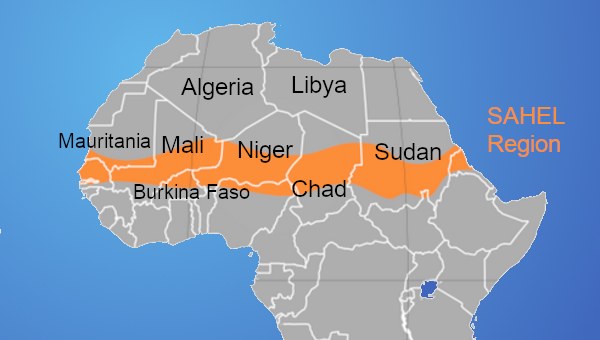
To understand the context of this attack, one must examine the political upheaval that has destabilized Niger. In July 2023, the presidential guard, led by General Abdourahmane Tchiani, overthrew the democratically elected president, Mohamed Bazoum. This was the seventh successful coup in West and Central Africa in three years at that point. The junta suspended the constitution, faced international condemnation and aid cuts, and ultimately withdrew from the Economic Community of West African States (ECOWAS) alongside Mali and Burkina Faso to form the Alliance of Sahel States (AES).
Concurrently, the security situation has deteriorated drastically. Niger continues to grapple with a potent jihadist threat from armed groups linked to Islamic State and al-Qaida, particularly in the tri-border region with Mali and Burkina Faso. The Global Terrorism Index 2025, cited in the Guardian's reporting, notes that Niger recorded the largest increase in terrorism deaths globally in 2024, with deaths rising by 94% to 930—the country's worst ranking since the index began. The junta's promises to restore stability have so far gone unfulfilled, with violence spreading and now reaching critical infrastructure like the national airport.
Implications and Regional Stability
The targeting of a major international airport represents an escalation in tactics. It directly threatens civilian air travel, humanitarian aid delivery, and what remains of Niger's economic connections to the outside world. This incident will likely further isolate the country, deter foreign investment and tourism, and complicate any potential diplomatic resolutions to the ongoing political crisis.
For the broader Sahel region, the attack is a stark reminder of the spreading instability. The formation of the AES by the military juntas of Niger, Mali, and Burkina Faso was a defiant move against regional bodies like ECOWAS, but it has not translated into improved security cooperation or results. Instead, the region remains the epicenter of global terrorism growth, with civilian and state infrastructure increasingly vulnerable.
The attack on Niamey's airport is more than an isolated security breach; it is a symptom of Niger's deep and multifaceted crisis. It reflects the dangerous intersection of domestic political turmoil, regional instability, and shifting great-power rivalries. Until the junta can establish credible control, provide security for its people and infrastructure, and engage in meaningful dialogue to restore constitutional order, Niger will remain a flashpoint for violence with consequences that extend far beyond its borders. The international community watches with concern, but its leverage has significantly diminished following the expulsion of Western forces and the country's withdrawal from key regional blocs.