Read on France 24
Deadly ISWAP Attack in Borno: Dozens Killed in Sabon Gari Assault
Islamic State West Africa Province (ISWAP) militants launched a deadly overnight attack in Sabon Gari, Borno state, killing dozens including soldiers and construction workers. The assault highlights the persistent threat of the Islamist insurgency in northeast Nigeria, which has claimed over 40,000 lives and displaced nearly two million people since 2009. This article examines the details of the attack, the ongoing conflict between ISWAP and Boko Haram, and the regional security implications.
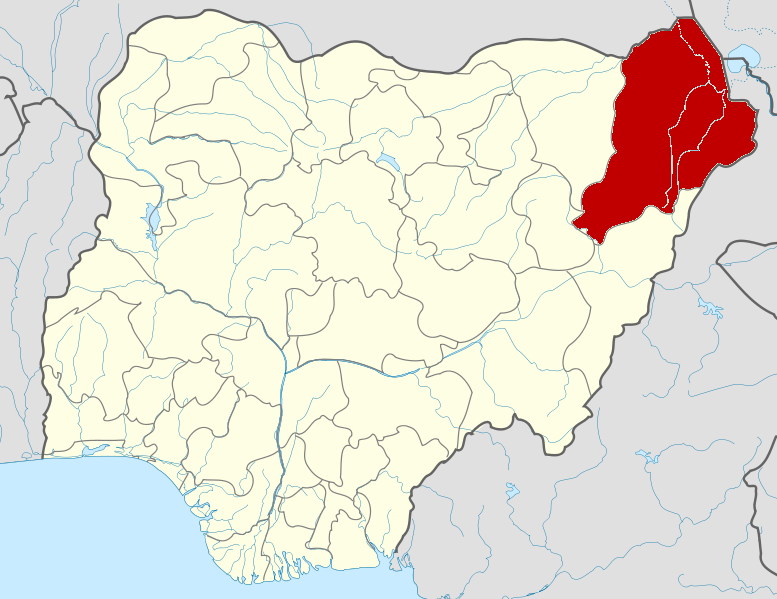
A new wave of violence has struck northeast Nigeria, underscoring the persistent and deadly threat posed by Islamist militant groups in the region. On Thursday, Islamic State-aligned militants carried out an overnight assault in the remote village of Sabon Gari, Borno state, resulting in dozens of casualties, including Nigerian soldiers. This attack is the latest in a long-running insurgency that has devastated the region for over fifteen years, killing tens of thousands and displacing millions from their homes.
The Sabon Gari Attack: Details and Aftermath
Local sources, including members of the Civilian Joint Task Force (CJTF) militia that assists the Nigerian military, reported that the death toll from the Sabon Gari attack runs into dozens. According to reports from France 24, Ibrahim Liman, a CJTF member, stated that more bodies were still at the military base and many soldiers were missing following the assault. Initial recoveries included 20 bodies, comprising five soldiers and fifteen construction workers and local hunters, which were taken to the general hospital in the nearby town of Biu.
Targeting Infrastructure and Security
The victims were reportedly construction workers who had been working on a road bridge that was destroyed in a previous jihadist attack last year. They were ambushed while returning to their base. This pattern of targeting infrastructure projects and the personnel working on them is a tactic used to undermine state authority and economic development in the region. The attack demonstrates the militants' continued ability to strike at both military and civilian targets with devastating effect.
The Broader Insurgency: Boko Haram and ISWAP
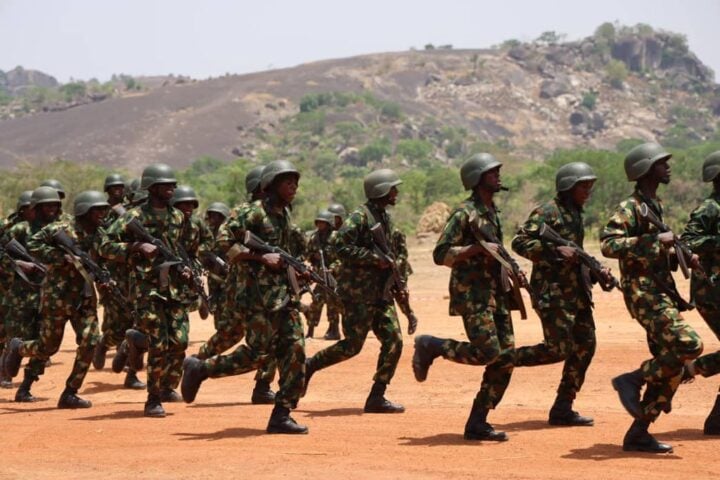
The attack is attributed to the Islamic State West Africa Province (ISWAP), a faction that split from the original Boko Haram group in 2016. Borno state has been the epicenter of an Islamist insurgency since 2009, primarily driven by Boko Haram. The conflict has resulted in catastrophic human costs, with over 40,000 people killed and nearly two million displaced. While Boko Haram initially gained notoriety for mass abductions, including the Chibok schoolgirls, ISWAP has increasingly focused its violence on Nigerian security forces, though civilians are consistently caught in the crossfire.
A Sustained and Evolving Threat
The Sabon Gari assault follows another deadly incident earlier in the week, where at least nine Nigerian soldiers were killed in an ISWAP ambush near Damasak, close to the border with Niger. These consecutive attacks indicate a sustained operational tempo by the militant group, challenging the Nigerian military's containment efforts. The persistence of such violence highlights the complex security landscape and the challenges of combating well-armed, ideologically driven insurgent groups in the vast Sahel region.
Conclusion: A Region in Peril
The deadly attack in Sabon Gari is a grim reminder that the conflict in northeast Nigeria is far from resolved. Despite years of military campaigns and international support, groups like ISWAP continue to launch devastating attacks that claim dozens of lives and deepen the humanitarian crisis. The targeting of both security personnel and civilian workers cripples recovery efforts and prolongs the displacement of millions. Achieving lasting stability will require a multifaceted strategy that addresses not only security but also the underlying socio-economic grievances that fuel the insurgency.