Read on the Guardian
Rare Mountain Gorilla Twins Born in Virunga: A Milestone Amid Conservation Challenges
The birth of twin mountain gorillas in Virunga National Park, Democratic Republic of the Congo, represents a significant yet cautious conservation milestone. While the arrival of the male twins to mother Mafuko brings hope for the endangered subspecies, their survival faces formidable obstacles including high infant mortality, disease, and threats from poachers. This event highlights both the remarkable success of decades-long conservation efforts that have brought mountain gorillas back from the brink of extinction and the ongoing dangers that rangers and wildlife face in one of the world's most challenging conservation landscapes.
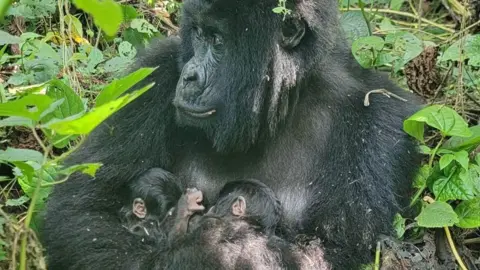
The birth of twin mountain gorillas in the Democratic Republic of the Congo's Virunga National Park has generated both celebration and concern among conservationists. This rare event, involving mother gorilla Mafuko and her two newborn males, represents a significant milestone for the endangered subspecies while highlighting the ongoing challenges of wildlife conservation in one of Africa's most volatile regions. The twins' arrival underscores the delicate balance between conservation success and the persistent threats facing these remarkable primates.
The Significance of Twin Births in Mountain Gorillas
Twin births among mountain gorillas are exceptionally rare occurrences that present both opportunity and challenge for conservation efforts. According to Jacques Katutu, head of gorilla monitoring in Virunga National Park, witnessing Mafuko holding two babies was "both moving and filled me with responsibility, given the twins' extreme vulnerability." The rarity of such births makes each occurrence a significant event for researchers and conservationists monitoring the subspecies' recovery.
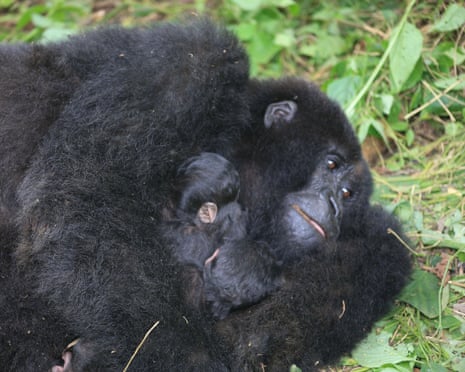
The survival challenges for twin gorilla infants are substantial, with the first four weeks being particularly critical. Mountain gorillas typically have high rates of infant mortality, with approximately one quarter falling victim to disease, trauma, or infanticide. This makes the careful monitoring of Mafuko and her newborns essential for their potential survival. The twins have been born into the Bageni family, Virunga's largest gorilla group, which now numbers 59 members.
Conservation Success Story
The birth of these twins represents another milestone in what has been described as one of the greatest conservation success stories of the past century. From a population of barely 250 individuals in the 1970s, mountain gorilla numbers have climbed to above 1,000 today. This remarkable recovery led to the subspecies being downgraded from critically endangered to endangered by conservation authorities.
This conservation success has been achieved through decades of intense conservation work across the gorillas' range in Uganda, Rwanda, and the Democratic Republic of the Congo. Specialist veterinary care has played a particularly crucial role, with organizations like Gorilla Doctors preventing dozens of deaths by treating animals affected by human activities. One study attributes half of the mountain gorilla population increase directly to veterinary interventions.
Ongoing Threats and Challenges
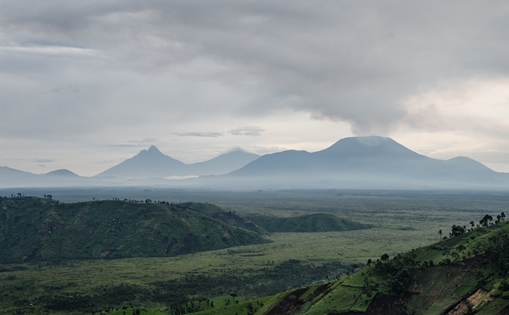
Despite the conservation successes, significant challenges remain for both the gorillas and those protecting them. The Democratic Republic of the Congo section of the Virunga mountain range remains one of the most dangerous places in the world for wildlife rangers. Over the past two decades, more than 220 rangers have been killed in the park while protecting wildlife from rebel groups, militias, and bandits operating with impunity.
The newborn twins face multiple threats to their survival beyond natural mortality rates. Poachers' snares, disease transmission from human proximity, and the possibility of infanticide all present serious dangers. Mafuko herself represents the species' resilience—her mother was killed by an attacker when she was just four years old, yet she has gone on to have several offspring, including these latest twins.
Monitoring and Management Approach
Conservation teams are taking a carefully balanced approach to monitoring the newborn twins and their mother. Mafuko and her babies are being observed daily since they were first spotted on January 3rd, with specialist veterinarians on standby should the gorillas show signs of distress. According to monitoring reports, the young males currently appear healthy, but their extreme vulnerability necessitates continued vigilance.
Katutu emphasizes that "allowing her to care for her babies naturally and minimizing intervention is the priority." This approach recognizes Mafuko's experience as a mother—she previously gave birth to twins in 2016, though neither survived more than a few days. Current observations indicate that the newborns are calm and maintain good contact with their mother, with behavior consistent with infants in good condition.
Conclusion: Cautious Optimism for the Future
The birth of twin mountain gorillas in Virunga National Park represents both a conservation achievement and a reminder of the ongoing challenges facing endangered species in conflict zones. While the twins' survival remains uncertain during these critical early weeks, their arrival symbolizes hope for a subspecies that has made a remarkable recovery from the brink of extinction.
This event highlights the importance of continued conservation efforts, international support for protected areas, and recognition of the sacrifices made by rangers working in dangerous environments. As monitoring continues and the twins hopefully thrive under their mother's care, they serve as living symbols of what can be achieved through dedicated conservation work, even in the world's most challenging environments.