Read on FashionNetwork.com
Ralph Lauren's Milan Menswear Show: A Masterclass in Cool Classicism
Ralph Lauren's rare menswear runway show in Milan for Fall-Winter 2026/2027 has been hailed as the 'coolest and cleverest display of menswear classicism' in recent memory. Presented at the brand's European headquarters, the collection seamlessly blended Polo preppy aesthetics, Western motifs, and Scottish baronial chic with a diverse casting that subtly celebrated American multiculturalism. The show's polished presentation, star-studded audience, and powerful soundtrack created a compelling narrative that resonated deeply in the current fashion and cultural landscape.
In a notable departure from its usual presentation strategy, Ralph Lauren staged a menswear runway show in Milan that has immediately entered the conversation as one of the season's most significant events. The Fall-Winter 2026/2027 collection, presented on a Friday at the brand's European headquarters, was described by FashionNetwork.com as "the coolest and cleverest display of menswear classicism we've seen in many moons." This rare Milan appearance underscores the brand's enduring influence and its ability to reinterpret traditional American style with contemporary relevance and global appeal.
The Venue and Presentation
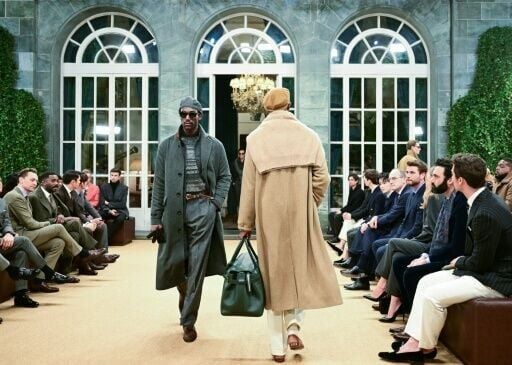
The show was held inside Ralph Lauren's European headquarters, a building described as a "geometric Rationalist era jewel." The venue itself set the tone for an evening of polished sophistication. Guests, including notable figures like Tom Hiddleston, Colman Domingo, and Nick Jonas, were treated to biscuity champagne as they took their places on leather bench seats. This attention to atmospheric detail created an immersive experience that extended beyond the clothing, framing the collection within a context of luxury and heritage.
Collection Highlights: From Preppy to Western
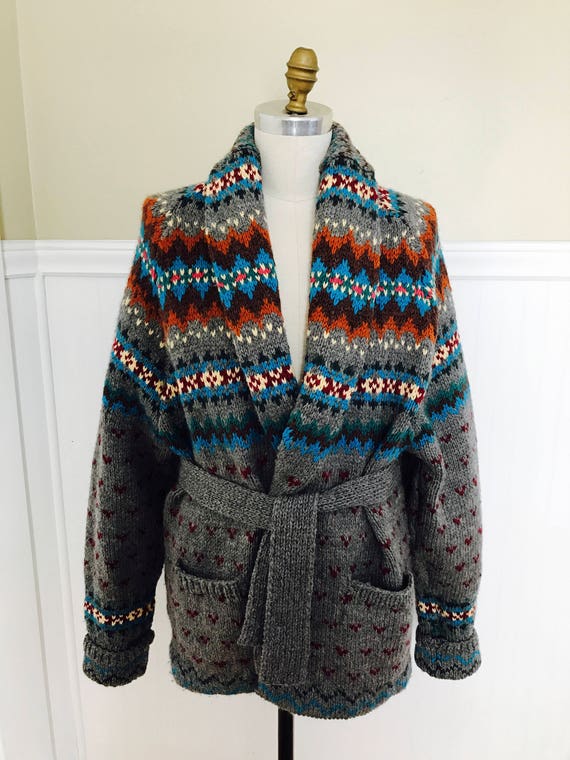
The presentation opened with a strong focus on the Polo line, offering what the review called "a rich selection of kicky, preppy ideas." Key pieces included red flannel shirts featuring turkey prints, Navajo graphic wool sweaters, and snow crystal pattern cardigans. Even formalwear received the Ralph Lauren treatment, with a brown three-piece Prince of Wales suit making an appearance. These looks were grounded by practical yet stylish footwear choices, notably Alpine hiking boots and elevated L.L. Bean-style waders, while accessories like Black Watch tartan carpet bags added distinctive finishing touches.
A significant portion of the collection paid homage to Western aesthetics, seamlessly transporting "Yellowstone to Lombardy." This theme was expressed through brown suede fringed jackets worn by models carrying acoustic guitars, complemented by lace ties, rancher hats, and riding boots. The integration of these rugged American motifs with Italian tailoring demonstrated the brand's unique capacity for cultural synthesis.
Musical Narrative and Evening Wear
The show was backed by a carefully curated soundtrack that enhanced the thematic journey. The transition from day to evening looks was underscored by music, moving from Nina Simone's "Sinnerman" to "Texas Sun" by Khruangbin and Leon Bridges. This sonic backdrop was particularly fitting for the introduction of bold, colorful motorcycle jackets bearing the "Ralph Lauren Racing" insignia, adding a dynamic, sporty edge to the presentation.
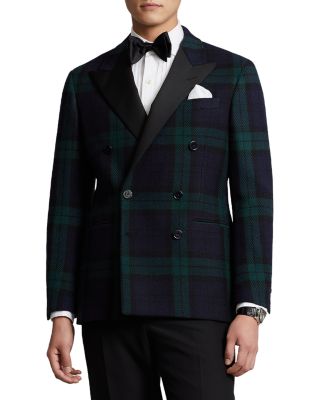
As the collection progressed into eveningwear, it embraced what was termed "Scottish baronial chic." Standout pieces included Clan Stewart red plaid tuxedos worn under Count Dracula-style capes and a striking black Grenadier guards military tunic paired with a black silk stock—a nod, as noted, to Dior. In a characteristically Ralph Lauren twist of high-low dressing, these formal looks were often accessorized with New York Yankees baseball caps, challenging traditional sartorial conventions.
Casting and Cultural Resonance
Perhaps the most powerful aspect of the show was its casting. The runway featured a "highly diverse cast, from all the world's continents." This deliberate inclusivity extended to all looks, including the traditionally conservative domain of suiting; the review specifically noted that the "two chalk stripe impeccable bankers" were portrayed by models of South and East Asian descent. Andrew Lauren, present at the show, explained the decision to stage in Milan simply: "We had so many looks and ideas in this collection that it just seemed right."
While the brand stated there was "no deliberate political message," the heterogeneous casting served as a potent visual reminder of Ralph Lauren's long-standing celebration of American diversity. In a broader socio-political context, as referenced by the review's mention of contemporary issues in the United States, this presentation of a multicultural "melting pot America" resonated as a powerful and affirmative statement. It presented an idealized, inclusive vision of American style that stands in stark contrast to exclusionary narratives, offering what European audiences, in particular, find compelling.
Conclusion: The Enduring Power of Classic American Style
Ralph Lauren's Milan show successfully achieved a difficult balance: it was both a smooth, polished presentation of wearable luxury and a culturally resonant event. By expertly blending preppy, Western, and aristocratic influences with a globally conscious perspective, the brand reaffirmed its position as a master of narrative-driven classicism. The decision to stage this show in Milan, a global fashion capital, signals a confident assertion of its menswear vision on an international stage. Ultimately, the collection demonstrated that true classicism is not static; it is a living tradition that evolves, incorporates diverse influences, and, when executed with this level of thought and craftsmanship, remains undeniably cool.