Read on nature.com
The Shift in Scientific Conferences: Why Researchers Are Skipping Major US Meetings
A notable trend is emerging in the global scientific community as attendance at several major US-based conferences declines. Researchers are increasingly opting for smaller, alternative meetings, with many citing restrictive US immigration policies and political climate as key deterrents. This article explores the factors driving this shift, from tightened visa scrutiny and travel bans to personal safety concerns, and examines how the scientific community is adapting by creating new international hubs for collaboration and knowledge exchange.
A significant shift is underway in the global scientific conference landscape. For decades, major meetings in the United States have served as premier hubs for international research collaboration, drawing tens of thousands of scientists. However, recent data and reports indicate a growing trend: researchers are increasingly skipping these key US gatherings in favor of smaller, alternative conferences held elsewhere. This movement is reshaping how the global scientific community connects and collaborates.
Declining Attendance at Major US Conferences
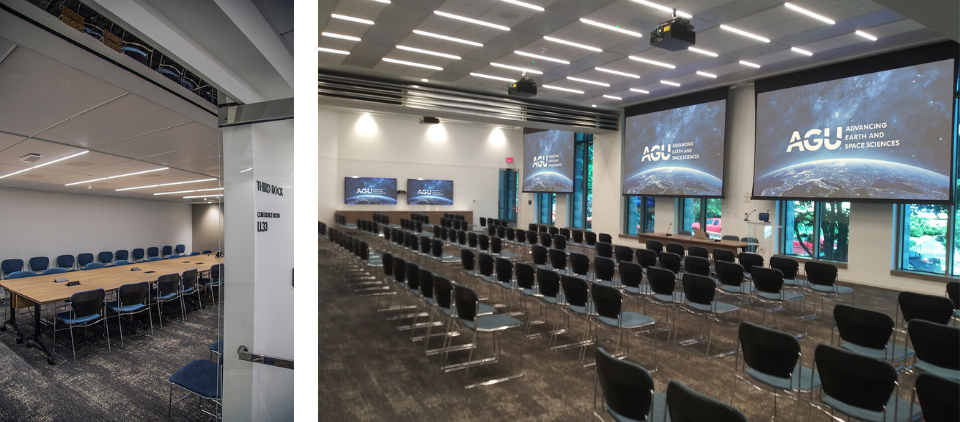
Organizers of several large US-based scientific conferences have reported a drop in attendance or are anticipating one for upcoming events. This trend is evident across different disciplines. For instance, the Society for Neuroscience's annual meeting in late 2025 saw a 6% decrease in attendance, dropping from 22,359 participants in 2024 to 21,093. Perhaps more tellingly, the number of countries represented at the meeting fell from 88 to 73. Similarly, the American Geophysical Union (AGU) conference, which began in December 2025, reported lighter attendance compared to the previous year. While over 30,000 attended in 2024, registrations for the 2025 event stood at just over 20,000 as the meeting commenced, with noticeably less crowded poster and exhibit halls.
Key Factors Driving the Change
Several interconnected factors are contributing to this decline in US conference participation. A primary driver is the changing political and immigration landscape under the administration of US President Donald Trump. Scientists hoping to travel to the United States in 2025 faced a series of new restrictions and heightened scrutiny. Border officials tightened checks on incoming travelers, sometimes turning people away at entry points. In June 2025, the administration implemented entry bans or limitations for citizens of 19 countries, including Iran and Venezuela, citing national security concerns. A proposed rule in December 2025 would require visitors from dozens of countries to provide five years of social media history before entry, creating a significant barrier and privacy concern for many academics.

Beyond Visa Issues: Personal Safety and Political Climate
The challenges extend beyond bureaucratic hurdles. For some researchers, the decision to avoid US conferences is rooted in concerns about personal safety and the broader political climate. Tanja Junkers, a chemist at Monash University in Australia, decided against attending the Pacifichem conference in Hawaii due to the administration's stance on gender diversity. Following an executive order declaring only two sexes, Junkers stated, "Being of a gender-diverse background, I do not feel I am able to safely travel to the US." This sentiment reflects a broader anxiety within the international research community about the welcome they might receive. Furthermore, geopolitical tensions, such as tariffs imposed on Canadian goods, have also dampened participation, as seen with lower Canadian attendance at the Hawaii meeting.
The Rise of Alternative Conference Models
In response to these barriers, the scientific community is demonstrating remarkable adaptability by creating new forums for collaboration. Organizers are proactively developing alternative models to ensure the international exchange of ideas continues unimpeded. A prominent example is the artificial intelligence conference NeurIPS. In 2025, it hosted not only its main event in San Diego, California, but also established its first-ever alternative location in Mexico City specifically to alleviate travel challenges for affected researchers. Simultaneously, a grassroots initiative in Europe led to the creation of "EurIPS," an independent spin-off conference held in Copenhagen. Organizer Søren Hauberg described the motivation as "giving a home to people who felt intellectually homeless this year." These alternatives provide crucial gathering points for researchers who can no longer or choose not to travel to the US.
Implications for Global Scientific Collaboration
This shift away from traditional US-centric conferences carries significant implications for the future of global science. While it may decentralize collaboration, it also fosters the development of new international hubs and more accessible meeting formats. The trend challenges the long-held dominance of a few mega-conferences and could lead to a more distributed and resilient network of scientific exchange. However, it also risks fragmenting communities and could impact the serendipitous cross-disciplinary interactions that large conferences famously facilitate. The scientific community's ability to innovate in the face of political obstacles highlights its resilience, but the long-term effects on the pace and nature of discovery remain to be seen.
In conclusion, the declining attendance at major US scientific meetings is a multifaceted issue driven by restrictive immigration policies, personal safety concerns, and the broader political environment. As a result, researchers and conference organizers are pivoting, seeding a new landscape of alternative, often smaller, international gatherings. This evolution underscores the scientific community's imperative to connect and collaborate, finding new pathways when traditional ones are blocked. The enduring need for knowledge exchange ensures that the conference will adapt, even if its geography changes.