Global Warming's Paradox: How Extreme Heat Could Trigger the Next Ice Age
New research from UC Riverside reveals a missing feedback loop in Earth's carbon cycle, suggesting that periods of intense global warming can overcorrect, plunging the planet into an ice age. The mechanism involves nutrient runoff fueling massive plankton blooms that bury carbon in low-oxygen oceans, creating a runaway cooling effect. While this process explains Earth's most severe ancient ice ages, modern atmospheric conditions mean it won't rescue us from current climate change, though it may accelerate the onset of the next glacial period.
Earth's climate system has long been viewed as possessing a natural thermostat, a slow but steady mechanism that prevents temperatures from drifting too far in either direction. However, groundbreaking research from the University of California, Riverside, published in Science, challenges this view of gentle equilibrium. Scientists have identified a critical missing feedback that reveals our planet's climate control can dramatically overshoot, turning extreme warming into a catalyst for an ice age. This discovery not only reshapes our understanding of Earth's deep past but also reframes the long-term consequences of contemporary climate change.

The Traditional View: Rock Weathering as Earth's Thermostat
For decades, the dominant theory for long-term climate regulation centered on the weathering of silicate rocks. In this process, rainwater absorbs atmospheric carbon dioxide (CO2) and reacts with exposed rock surfaces, gradually breaking them down. The dissolved minerals and captured carbon are then transported to the oceans. There, the carbon combines with calcium to form carbonate shells and limestone, which settle on the seafloor, sequestering carbon for millions of years. The key stabilizing feature is that as the planet warms, increased rainfall and chemical reactions accelerate rock weathering, pulling more CO2 from the atmosphere and cooling the planet back down. This was seen as a reliable, if slow, negative feedback loop.
The Missing Piece: A Runaway Ocean Feedback Loop
The new research identifies a powerful secondary process within the oceans that can amplify cooling far beyond the stabilizing effect of rock weathering. The sequence begins with global warming, which intensifies the hydrological cycle. Heavier rainfall washes larger quantities of nutrients, particularly phosphorus, from land into the seas. These nutrients act as fertilizer, triggering explosive blooms of phytoplankton—microscopic marine plants that absorb CO2 through photosynthesis.
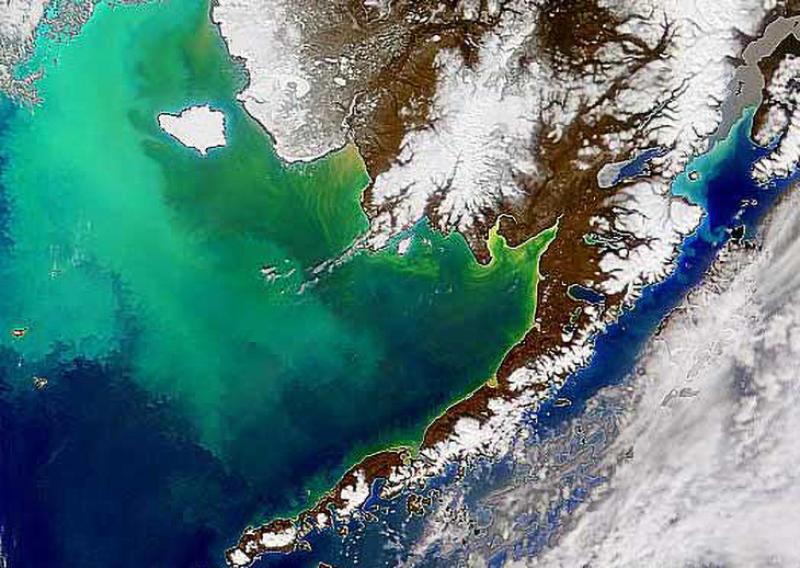
When these plankton die, they sink, carrying the captured carbon to the deep ocean floor, effectively burying it. However, in a warmer world, this process creates a dangerous feedback. The decay of vast amounts of organic matter consumes oxygen, creating low-oxygen (anoxic) conditions in parts of the ocean. Under these anoxic conditions, phosphorus that would normally be locked in sediments is released back into the water column. This recycled phosphorus fuels even more plankton growth, leading to more carbon burial, more oxygen depletion, and a self-reinforcing cycle that can rapidly draw down atmospheric CO2 levels.
Explaining Earth's Most Extreme Ice Ages
This newly understood feedback loop provides a compelling explanation for some of the most enigmatic events in Earth's history: the runaway glaciations known as "Snowball Earth" events, where ice sheets likely reached the equator. The rock weathering thermostat alone could not account for such severe and pervasive cooling. The ocean feedback mechanism, however, can create a climatic overshoot. As co-author Andy Ridgwell explains using a household analogy, Earth's system doesn't just cool the room to the set temperature; it can behave like an air conditioner with a poorly placed thermostat, continuing to pump out cold air long after the target is reached, freezing the room solid.
Implications for Our Climate Future
While this discovery highlights a profound natural mechanism, it does not offer a reprieve from modern anthropogenic climate change. The study notes that Earth's ancient atmosphere had significantly lower oxygen levels, which made the ocean feedback loop more potent and the climate system less stable. Today's higher oxygen levels act as a moderating influence, like "placing the thermostat closer to the AC unit."
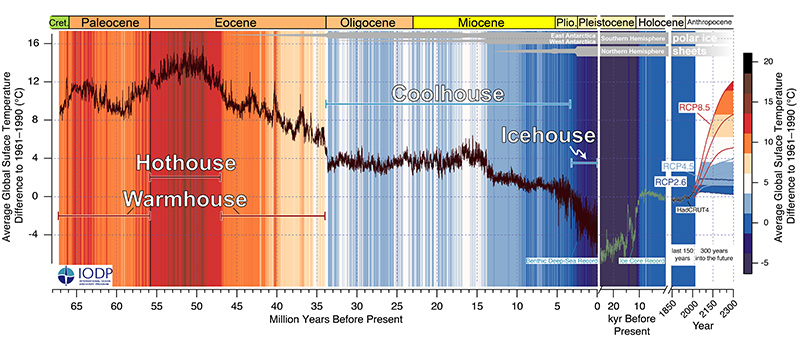
Consequently, while human-induced warming will eventually be counteracted by these natural processes, the rebound cooling will be less extreme than in the ancient past. Nevertheless, the research suggests that our current emissions could still influence the timing of the next glacial period, potentially bringing it forward. As Ridgwell states, the critical takeaway is that this geological cooling operates on timescales of tens to hundreds of thousands of years. It will not occur fast enough to mitigate the warming and its severe impacts occurring over the next century. The urgent need for climate action to limit ongoing warming remains absolute and immediate.
This research, detailed in the study "Instability in the geological regulation of Earth’s climate," fundamentally alters our understanding of Earth's climate sensitivity. It reveals a planet capable of wild swings between extreme states, governed by complex feedbacks in the carbon cycle. Understanding these past instabilities is crucial for contextualizing the unprecedented human-driven changes we are enacting today and for modeling the very long-term fate of our planet's climate.