Read on PBS News
Japan's Strategic Shift: Record Defense Budget and Taiwan Stance Signal Regional Tensions
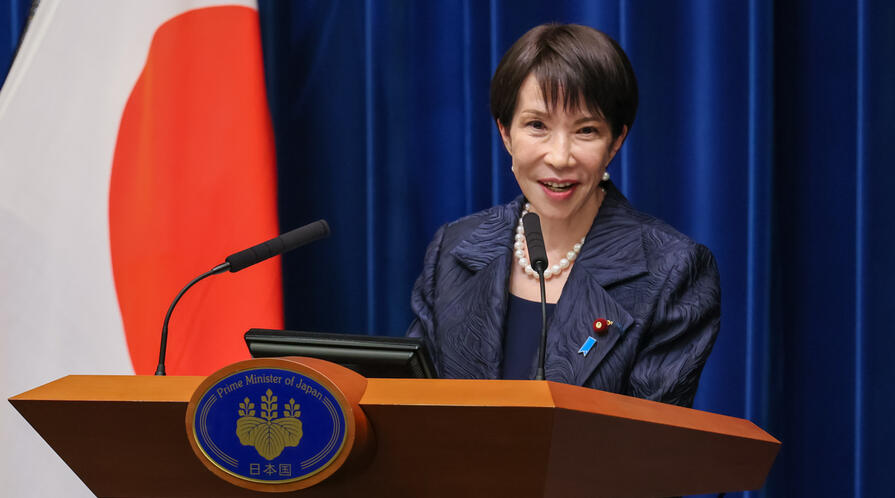
Japan's Cabinet has approved a record defense budget exceeding 9 trillion yen ($58 billion) for fiscal 2026, marking a significant military buildup amid escalating tensions with China. This move follows Prime Minister Sanae Takaichi's November statement that Japan's military could intervene if China takes action against Taiwan. The budget represents a 9.4% increase and accelerates Japan's plan to double annual arms spending to 2% of GDP, focusing on long-range missiles, unmanned defense systems, and joint development projects with allies. This article examines Japan's strategic shift, the implications for regional security, and the growing tensions in the Indo-Pacific.
In a decisive move reflecting heightened regional anxieties, Japan's Cabinet has approved a record defense budget for fiscal 2026, exceeding 9 trillion yen ($58 billion). This substantial increase, part of an accelerated military buildup, comes directly on the heels of a significant policy statement by Prime Minister Sanae Takaichi regarding Taiwan. The convergence of increased spending and explicit security declarations marks a pivotal moment in Japan's post-war defense posture, signaling a clear response to what it perceives as the "severest and most complex security environment" since World War II.
A Record Budget for a New Strategic Era
The newly approved draft budget represents a 9.4% increase from the previous year and is the fourth installment in Japan's ongoing five-year program to double its annual arms spending. The goal is to reach the NATO benchmark of 2% of gross domestic product (GDP) by March, a target achieved two years ahead of the original schedule. Defense Minister Shinjiro Koizumi emphasized that this buildup is "the minimum needed" while asserting it does not alter Japan's identity as a "peace-loving nation." The budget now awaits parliamentary approval by March to be implemented.
The Taiwan Factor and Escalating Rhetoric
The budgetary surge is inextricably linked to rising tensions with China, particularly concerning Taiwan. In November, Prime Minister Sanae Takaichi stated unequivocally that Japan's military could become involved if China were to take action against the self-governing island, which Beijing claims as its territory. This remark, a notable shift in Japan's typically guarded diplomatic language, triggered a sharp response from Beijing and has since escalated into a series of military posturing incidents. Chinese officials accused Japan of "deviating from the path of peaceful development" and moving in a "dangerous direction."
Key Components of Japan's Military Buildup
The record budget allocates funds to several critical areas designed to enhance Japan's deterrence and defense capabilities, with a particular focus on its southwestern islands near Taiwan.
Bolstering Standoff Defense Capability
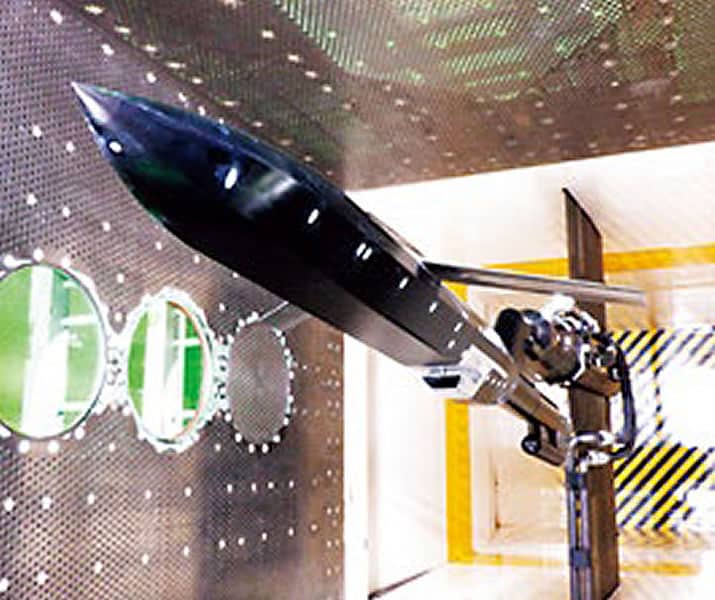
A central pillar is the enhancement of Japan's "standoff" missile capability, with over 970 billion yen ($6.2 billion) allocated. This includes the purchase of domestically developed and upgraded Type-12 surface-to-ship missiles, which have a range of about 1,000 kilometers (620 miles). The first batch of these missiles will be deployed in Kumamoto prefecture by March, accelerating the missile buildup in the strategically vital region.
Investment in Unmanned Systems (SHIELD)
To address challenges like an aging population and an understaffed military, Japan is investing heavily in unmanned technology. The budget earmarks 100 billion yen ($640 million) to deploy a "massive" network of unmanned air, sea-surface, and underwater drones for surveillance and coastal defense. This system, dubbed "SHIELD," is planned for operational status by March 2028, with initial systems likely imported from allies like Turkey or Israel.
Regional Tensions and Chinese Response
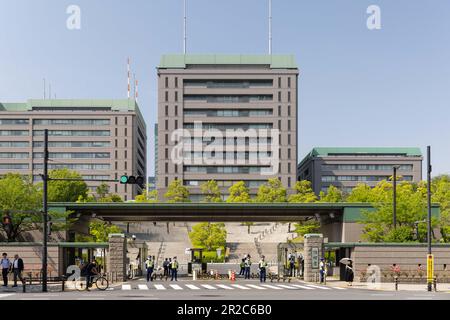
The budget announcement occurs against a backdrop of increased Chinese military activity near Japan. Incidents include Chinese aircraft carrier drills near southwestern Japan and instances where Chinese aircraft locked their radar on Japanese aircraft—an act considered possible preparation for missile engagement. The Japanese Defense Ministry, alarmed by China's expanding Pacific operations, will establish a new office dedicated to studying how to counter Chinese activity in the region.
International Collaboration and Industry Growth
Japan is also using its defense expansion to strengthen international ties and its domestic defense industry. The budget includes more than 160 billion yen ($1 billion) for the joint development of a next-generation fighter jet with Britain and Italy, slated for deployment in 2035. Furthermore, a major boost came from Australia's selection of Mitsubishi Heavy Industries to upgrade its frigate fleet. Japan has allocated nearly 10 billion yen ($64 million) to support its industrial base and arms sales, following recent easing of arms export restrictions.
Funding the Future and Strategic Implications
The five-year buildup program is set to make Japan the world's third-largest military spender after the U.S. and China, with annual spending reaching around 10 trillion yen ($64 billion). The Takaichi government plans to fund this growth through increases in corporate, tobacco, and future income taxes. However, the long-term sustainability of such high spending levels remains uncertain. Strategically, Japan's actions represent a fundamental shift from a purely self-defense posture to one embracing counterstrike capabilities and explicit security commitments, fundamentally reshaping the balance of power in the Indo-Pacific and deepening its alliance with the United States.