Read on FashionNetwork.com
Boxing Day Sales 2025: A Shift Towards Mindful Spending Amid Economic Pressures
The 2025 Boxing Day sales are projected to see a significant shift in consumer behavior, with total spending expected to fall to £3.6 billion, down from previous years. A Barclays report highlights that cost-of-living concerns are now impacting 69% of UK shoppers, leading to more cautious and strategic purchasing. While fashion remains the top category, the rise of AI tools is transforming how consumers hunt for deals, blending online convenience with a renewed appreciation for in-store experiences. This year's event reflects a new era of balanced, value-driven retail.
The annual Boxing Day sales have long been a cornerstone of the UK retail calendar, a post-Christmas tradition marked by bustling high streets and frenzied online shopping. However, the 2025 sales event is poised to tell a different story, one shaped by persistent economic headwinds and evolving consumer priorities. According to the Barclays Consumer Spend report, total spending is expected to reach £3.6 billion, a notable decline from the £4.6 billion predicted in 2024 and £4.7 billion in 2023. This anticipated dip underscores a broader trend of financial caution, as concerns over the cost of living weigh heavily on household budgets and reshape shopping habits from impulsive splurging to mindful purchasing.

The Economic Backdrop: Cost-of-Living Concerns Take Center Stage
The dominant narrative for the 2025 Boxing Day sales is one of financial constraint. The Barclays report reveals a stark increase in the number of consumers whose spending will be impacted by cost pressures, rising to 69% in 2025 from 47% just a year earlier. This significant jump highlights the deepening financial anxiety among UK shoppers. As a result, a quarter (25%) of consumers state they will only purchase what they consider essentials during the sales period, signaling a shift away from discretionary spending. While the average intended budget per shopper has increased by £17 compared to 2024, this is offset by a decrease in overall participation, with only 26% of consumers planning to take part, down from 28% in 2024.
Category Performance: Fashion Holds Strong, Beauty Seeks Value
Despite the overall spending pullback, certain retail categories continue to attract consumer interest. Fashion—encompassing clothes, footwear, and accessories—remains the top choice for Boxing Day shoppers, selected by 37% of participants. This is particularly notable as the category experienced subdued spending throughout 2025, making the sales a key opportunity for recovery. Beauty and skincare follow as a strong contender, with 20% of shoppers targeting this sector. Within beauty, the sales strategy is distinctly value-oriented: 45% of shoppers plan to use the discounts to stock up on their everyday, go-to products at lower prices, while 33% will be hunting for premium brands at a discount.

The AI Revolution in Deal-Hunting
A defining feature of the modern Boxing Day sale is the growing influence of artificial intelligence. The report notes that 37% of shoppers now use AI or other smart tools when shopping, a figure that rises to 53% among those aged 18-34. This technology is "transforming how people seek out deals online," moving beyond simple browsing to strategic hunting. Consumers are leveraging AI to research products (43%), compare prices and deals (34%), generate gift ideas (31%), and set up personalized alerts (25%). For many, these tools "provide reassurance and efficiency," with 72% agreeing they save time by narrowing down the best deals, and 65% expressing trust in AI to help find discounts. However, a note of caution remains, as 50% worry that AI tools might inadvertently encourage overspending.
The Enduring Appeal of the In-Store Experience
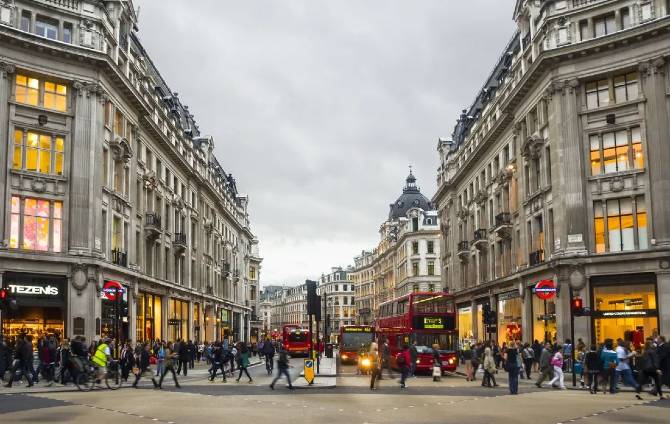
Contrary to the narrative of a purely digital future, the Boxing Day sales continue to be a physical retail phenomenon for many. Nearly half (49%) of those planning to browse the sales intend to visit shops in person, upholding the event's tradition. The motivations are experiential and tactile: 42% prefer to see and touch items before buying, 27% value the human interaction, and 26% view sales shopping as a festive Christmas activity. The report suggests that the use of AI is, paradoxically, fostering "a renewed enthusiasm for the experience of shopping in-store." Retailers can further incentivize foot traffic by offering in-store-only discounts (a key draw for 29% of shoppers), easier access (24%), or free items with purchases (21%).
Conclusion: A Pivotal Moment of Evolution
The 2025 Boxing Day sales represent a pivotal moment of evolution for UK retail. As summarized by Karen Johnson, Head of Retail at Barclays, "Boxing Day is still a pivotal moment for retailers, fuelled by Christmas nostalgia, but it has evolved to reflect modern consumer demands." This year's event is characterized by a "balanced blend of online convenience, experiential retail and increasingly mindful purchasing." Shoppers are becoming more strategic, leveraging technology for efficiency while still cherishing the tangible benefits of physical stores, all within the constraints of a tighter budget. For retailers, success will depend on understanding and catering to this new, value-conscious, and digitally-empowered consumer, ensuring the Boxing Day sales remain relevant in a changing economic landscape.