Read on FashionNetwork.com
Whistles Maintains Steady Performance Amid Economic Headwinds
TFG London's contemporary womenswear brand Whistles has reported its financial results for the year to March 2025, revealing a resilient performance despite significant challenges. While turnover declined to £57.7 million from £65.7 million, the company demonstrated strategic progress through improved gross margins and a growing direct-to-consumer channel. The brand's shift toward greater control over its distribution and recent strategic moves, including joining the 'Brands at M&S' platform and appointing its first creative director, position it for future growth despite a difficult retail environment.
In the challenging retail landscape of 2025, TFG London's portfolio brands have been navigating economic turbulence with varying degrees of success. Following recent reports from Hobbs and Phase Eight, contemporary womenswear label Whistles has now disclosed its financial performance for the year ending March 2025. The results reveal a brand demonstrating resilience through strategic adaptation, even as external pressures impacted key financial metrics.
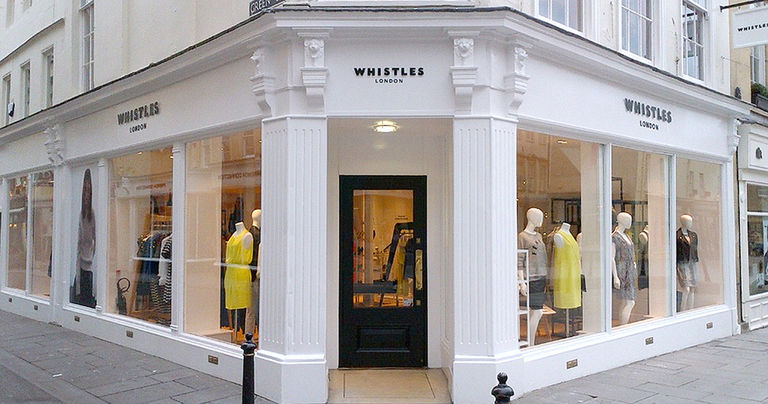
Financial Performance Overview
Whistles reported a turnover of £57.7 million for the year, representing a decline from £65.7 million in the previous period. This 12% decrease reflects broader retail challenges, particularly within the UK market where economic conditions remained difficult throughout the reporting period. Adjusted EBITDA dipped to £4.7 million from £5 million, while operating profit decreased to £1.8 million from £2.5 million. Profit after tax fell to £0.5 million from £0.9 million, indicating margin pressures across the business.
Despite these declines, the company maintained what TFG described as a "steady performance" given the challenging economic backdrop. This resilience stems from strategic decisions that have positioned the brand for more sustainable growth, even as immediate financial metrics reflect market difficulties.
Strategic Channel Shifts
A significant development in Whistles' strategy has been the deliberate shift toward direct channels. The company grew its direct channel mix to 54.6% from 50%, reflecting a strategic emphasis on owned retail and e-commerce platforms. This transition contributed to an improved gross margin of 69.9%, up from 67% in the previous year, demonstrating the financial benefits of greater control over the customer experience and pricing.

Conversely, concession performance presented challenges, with sales through department store concessions declining by 15% year-on-year. This underperformance in third-party retail spaces mirrors similar difficulties reported by sister brands Hobbs and Phase Eight, suggesting a broader trend affecting premium fashion concessions within department stores. The company ended the financial year with 109 stores and concessions in the UK, down from 123 a year earlier, reflecting a net reduction through strategic closures and limited new openings.
Operational Efficiency and Cost Management
Whistles demonstrated effective cost control measures throughout the reporting period. Administrative expenses decreased as a result of targeted efficiency initiatives, helping to mitigate some of the revenue pressures. Distribution costs experienced a slight increase, primarily attributed to a one-off warehouse relocation completed in March 2025. This strategic investment in logistics infrastructure is expected to yield longer-term operational benefits despite the temporary cost impact.
The company's approach to retail footprint management reflects a balanced strategy of optimizing existing locations while selectively expanding in promising markets. With five new store openings against nineteen closures, Whistles is refining its physical presence to align with changing consumer shopping patterns and economic realities.
Future Growth Initiatives
Looking beyond the reported financial year, Whistles has implemented several strategic initiatives designed to drive future growth. In early March 2025, the brand joined the 'Brands at M&S' platform, a significant move that expands its reach to millions of additional consumers through Marks & Spencer's established retail ecosystem. While the initial months of this partnership coincided with well-publicized technical challenges at M&S, the long-term potential for increased brand exposure and sales remains substantial.

Perhaps the most significant strategic development occurred in April 2025 with the appointment of Jacqui Markham as Whistles' first-ever creative director. With extensive experience at Topshop, ASOS, Urban Outfitters Europe, Oasis, and Karen Millen, Markham brings substantial design expertise to the role. Product director Camille Sullivan noted that Markham would be "instrumental in driving both the brand and our product offering forward in our next stage of growth," signaling a renewed focus on creative direction and product development.
Market Position and Outlook
Whistles' performance must be contextualized within the broader premium contemporary womenswear market and TFG London's brand portfolio strategy. The company's ability to maintain steady performance despite significant headwinds demonstrates operational resilience and strategic adaptability. The improved gross margins resulting from the direct channel shift provide a stronger foundation for future profitability, even as concession challenges and store rationalization impact short-term revenues.
The brand's strategic initiatives—from platform expansion to creative leadership—suggest a forward-looking approach to brand development. As consumer preferences continue to evolve and economic conditions remain uncertain, Whistles' balanced strategy of channel optimization, cost management, and creative investment positions it to navigate ongoing challenges while capitalizing on emerging opportunities in the fashion retail sector.