Read on the Guardian
The Global Assault on Reproductive Rights: A Critical Analysis of 2025's Key Moments
The year 2025 witnessed an unprecedented, coordinated assault on global sexual and reproductive health rights, driven by policy shifts from the United States under a second Trump administration. This article analyzes the key moments that defined this crisis, from the dismantling of USAID and the expansion of the global gag rule to the destruction of vital contraceptives and the rise of transnational anti-rights alliances. We examine the profound impact on women and girls worldwide, particularly in vulnerable regions, and the strategic efforts by ultra-conservative groups to roll back decades of progress in gender equality and healthcare access.
The landscape of global health and human rights underwent a seismic shift in 2025, marked by a systematic and transnational assault on sexual and reproductive health and rights (SRHR). Beginning with the inauguration of a second Trump term in January, a series of executive actions and policy maneuvers created a cascade of crises for women and girls worldwide. This article provides a professional analysis of the defining moments of this assault, synthesizing reports from leading humanitarian organizations to understand the strategy, impact, and alarming future trajectory of this anti-rights movement.

The Strategic Dismantling of USAID
The cornerstone of the 2025 assault was the effective dismantling of the United States Agency for International Development (USAID). Following an initial freeze in January, Secretary of State Marco Rubio confirmed in March that 83% of the agency's programmes would be eliminated. This was not merely a budgetary decision but a calculated attack on the infrastructure of global health and family planning. As reported by The Guardian, rights defenders labeled this move a "savage attack on human rights." The consequences were immediate and severe, with 1,394 family planning clinics forced to shut down globally. The funding vacuum left by the world's largest donor created a domino effect, prompting other nations, including the UK and the Netherlands, to implement their own aid cuts, further exacerbating the crisis.
The Expansion of the Global Gag Rule
While the reinstatement of the Mexico City Policy, commonly known as the global gag rule, was anticipated, its expansion in October 2025 represented a significant escalation. Traditionally applied to non-governmental organizations (NGOs), the rule was broadened to include foreign governments and multilateral organizations, threatening to cut off all US aid to any entity that provides, advocates for, or even advises on abortion services. This expansion, coupled with the US rejoining the Geneva Consensus Declaration, signaled an intent to export a restrictive ideology on a governmental scale. Experts like Rajat Khosla warned of "unimaginable effects," as new aid packages to African nations risked becoming conditional on accepting these stringent anti-abortion terms.
Transnational Anti-Rights Alliances and Conferences
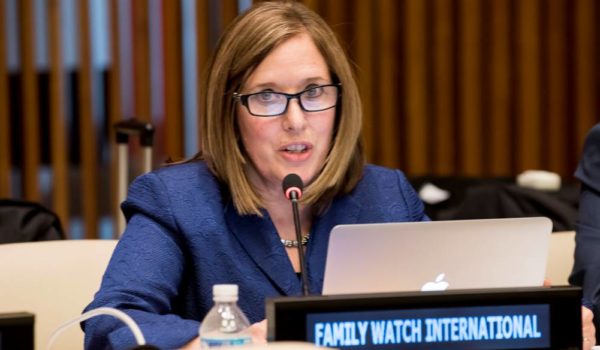
A critical, behind-the-scenes driver of the policy shifts was the intensified activity of ultra-conservative networks. Groups such as Family Watch International, C-Fam, and the Alliance Defending Freedom leveraged the political moment to strengthen ties with international allies. A pivotal moment occurred in March during parallel events to the UN Women summit in New York, where these groups convened to strategize on defeating the UN's "radical agenda." This transnational coordination was most visible in Africa over the summer, where conferences in Uganda, Kenya, and Sierra Leone promoted "traditional family values" and national sovereignty, directly challenging international human rights frameworks. These events, attended by leading US and European anti-rights figures, served as platforms to align regional policies with a global conservative agenda.
The Contraceptive Destruction Crisis
Perhaps the most starkly symbolic act of the year was the US announcement in July of plans to destroy $10 million worth of contraceptives stored in a Belgian warehouse. This decision, described by Médecins Sans Frontières as "callous" and "reckless," was an ideological statement with dire human consequences. The International Planned Parenthood Federation estimated this action would deny supplies to over 1.4 million women and girls, leading to 174,000 unintended pregnancies and 56,000 unsafe abortions. Despite offers from NGOs to purchase the supplies, the US refused, creating a standstill that epitomized the administration's willingness to prioritize ideology over lifesaving healthcare, even for survivors of sexual violence.
Conclusion: A Coordinated Assault with Global Repercussions
The events of 2025 reveal a coordinated, multi-pronged strategy to roll back reproductive rights on a global scale. The assault combined drastic defunding (USAID dismantling), coercive policy (expanded global gag rule), ideological alliance-building (transnational conferences), and destructive symbolism (contraceptive destruction). The impact, as year-end data began to show, was catastrophic, with hundreds of thousands of deaths linked to diminished aid. This represents more than a policy shift; it is, as described in the report Until Everyone is Free, a "transnational and orchestrated rollback of rights and freedoms fuelled by far-right extremism." The resilience of global health systems and the advocacy of rights defenders are now being tested as never before, setting the stage for a critical battle over the future of gender equality and bodily autonomy worldwide.