Read on Global News
Australia Proposes Ban on Extremist Symbols and Chants Following Bondi Beach Terror Attack
In response to a deadly terrorist attack at Sydney's Bondi Beach that killed 15 people, Australian authorities are proposing new laws to ban public displays of extremist symbols, including Islamic State flags, and specific chants like 'globalize the intifada.' The draft legislation, set for debate in the New South Wales Parliament, would impose prison sentences and fines for violations. This article examines the proposed legal reforms, the context of the attack, and the broader government response aimed at curbing hate speech and radicalization in Australia.
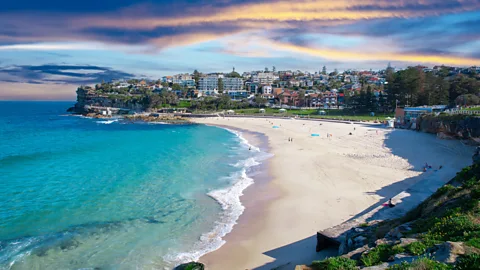
In the wake of a devastating mass shooting at Sydney's iconic Bondi Beach, Australian authorities are moving swiftly to introduce stricter laws targeting hate speech and extremist symbolism. The attack, which occurred during a Hanukkah celebration and claimed 15 lives, has prompted a significant legislative response aimed at preventing further violence and curbing radicalization. The proposed measures represent a decisive shift in Australia's approach to managing public expressions of extremism and hate.
The Proposed Legal Reforms
The core of the government's response lies in draft laws to be debated by the New South Wales state Parliament. Premier Chris Minns announced that publicly displaying symbols associated with extremist groups, such as the Islamic State (IS) flag, would become a criminal offense. According to reports from Global News, these offenses could be punishable by up to two years in prison and substantial fines. The legislation is specifically designed to target the visual propaganda of terror organizations.
Banning Specific Chants and Slogans
Beyond symbols, the proposed laws seek to outlaw specific chants deemed to incite hatred and violence. Premier Minns explicitly stated that chants of "globalize the intifada" would be banned. The term "intifada," an Arabic word for "uprising," is highly contentious. While some pro-Palestinian demonstrators use the slogan in the context of global protests against the Gaza conflict, Jewish community leaders and the Australian government argue it inflames tensions and encourages attacks on Jewish people. Minns labeled the chant as hate speech that "encourages violence in our community."

Context of the Bondi Beach Attack
The legislative push is a direct reaction to the terrorist attack on December 20, 2025. Police have described the shooting, which targeted a Hanukkah event, as "a terrorist attack inspired by (the) Islamic State group." Investigators found two homemade IS flags in the vehicle used by the suspects, directly linking the atrocity to the extremist ideology the new laws aim to suppress. The attack has profoundly shaken Australia's Jewish community and the nation at large.
Government and Community Response
Prime Minister Anthony Albanese has pledged a broader national response to the attack. This includes plans to tighten Australia's already strict gun laws and introduce federal measures to curb radicalization. Albanese announced intentions to broaden the legal definition of hate speech offenses, particularly for religious or community leaders who promote violence, and to toughen punishments for such crimes. The federal proposals would also allow judges to consider hate as an aggravating factor in cases of online threats and harassment.
In a show of solidarity, Albanese joined the Jewish community at Sydney's Great Synagogue, affirming that "the spirit of our Jewish Australian community is completely unbreakable." A National Day of Reflection was held on the final day of Hanukkah, with flags flown at half-mast and a national minute of silence observed at Bondi Beach.

Broader Implications and Challenges
The proposed bans raise complex questions about balancing national security with freedoms of speech and expression. The government's stance is that hate speech inciting violence has no place in society, a principle Premier Minns strongly affirmed. However, defining the precise line between political protest and illegal incitement will be a ongoing challenge for lawmakers and the courts.
The reforms also grant police greater powers, including the authority to demand protesters remove face coverings at demonstrations, enhancing identification and accountability during public gatherings. These changes are part of a comprehensive strategy to address the security vulnerabilities exposed by the attack.
Conclusion
Australia's proposed ban on extremist symbols and chants marks a pivotal moment in the nation's counter-terrorism and social cohesion efforts. Driven by the tragedy at Bondi Beach, the reforms from both the New South Wales and federal governments aim to dismantle the public-facing elements of extremist ideology and prevent the incitement of further violence. As the draft laws proceed through parliament, their implementation will be closely watched as a test of legal frameworks designed to protect citizens while navigating fundamental democratic freedoms. The ultimate goal remains clear: to ensure such a tragedy never occurs again on Australian soil.