Read on PBS News
NTSB Investigates Fatal Jet Crash Involving Former NASCAR Driver Greg Biffle
Federal investigators from the National Transportation Safety Board (NTSB) are working to determine the cause of a tragic business jet crash near Statesville, North Carolina. The Cessna C550, which was registered to a company run by retired NASCAR driver Greg Biffle, attempted to return to the airport shortly after takeoff but crashed into light poles and trees, killing all seven people on board. The victims included Biffle, his wife, two children, and three other individuals, several of whom held pilot licenses. The investigation is focusing on the crew configuration, flight data, and the recovered cockpit voice recorder.
Federal aviation authorities are conducting a thorough investigation into a devastating crash that claimed the lives of seven people, including retired NASCAR champion Greg Biffle and his family. The incident, which occurred near the Statesville Regional Airport in North Carolina, has raised significant questions about aircraft operations and crew qualifications. This article examines the known facts of the crash, the ongoing National Transportation Safety Board (NTSB) investigation, and the profiles of those involved.
The Crash Sequence and Immediate Aftermath
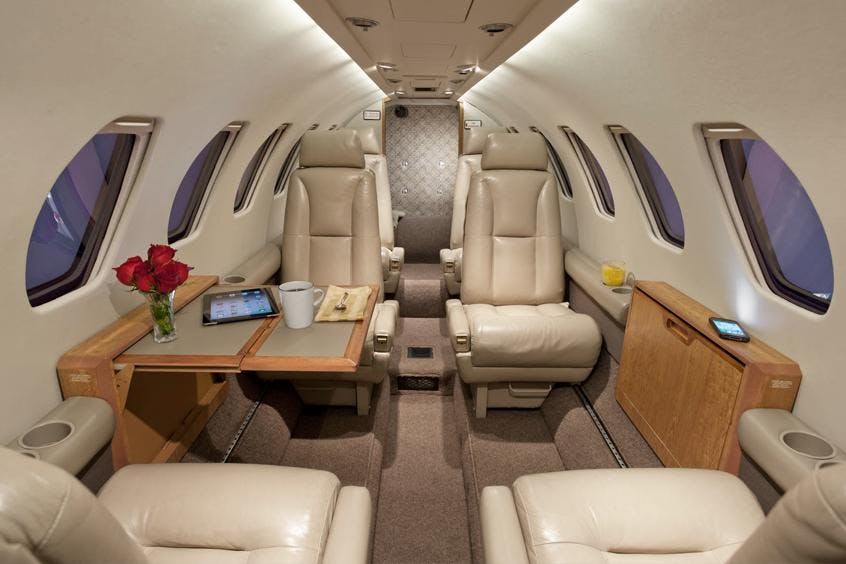
The tragic event unfolded on the morning of Thursday, December 18, 2025. According to the NTSB and Associated Press reports, the Cessna C550 business jet departed from Statesville Regional Airport, located approximately 45 miles north of Charlotte. Merely ten minutes after takeoff, the aircraft attempted to return to the airport for an emergency landing. However, it failed to reach the runway, crashing into a line of light poles and trees about a third of a mile (550 meters) short. The impact resulted in a large fire, and there were no survivors. The airport was closed through at least the following Saturday to facilitate the NTSB's on-site investigation.
Key Details of the Investigation
The NTSB has launched a comprehensive investigation to pinpoint the cause of the crash. A critical piece of evidence, the cockpit voice recorder, has been recovered from the wreckage. Investigators, including NTSB member Michael Graham, stated they were not aware of any emergency radio calls made from the jet prior to the crash. Flight data indicates the aircraft experienced significant fluctuations in speed and altitude during its brief flight. It climbed rapidly from 1,800 feet to 4,000 feet before descending again, and was only a couple of hundred feet above the ground just before impact. Former NTSB investigator Jeff Guzzetti noted this pattern was consistent with a crew experiencing an issue and needing to return quickly, but concluded they were "too low to make a safe landing on that runway."
The Victims and Crew Qualifications
All seven individuals on board perished in the crash. The victims were identified as retired NASCAR driver Greg Biffle, 55; his wife, Cristina Biffle; their two children, Ryder (5) and Emma (14); family friend Craig Wadsworth; and pilot Dennis Dutton and his son, Jack Dutton. A complex aspect of the investigation revolves around crew qualifications. Federal Aviation Administration (FAA) records show that three people on board held pilot licenses: Greg Biffle was rated for helicopters and single- and multi-engine planes; Dennis Dutton was licensed and rated to fly the Cessna C550 model; and Jack Dutton had a private license for single-engine planes. However, aviation safety expert John Cox highlighted a key issue: while Dennis Dutton was qualified as the pilot-in-command for that jet, he was required to fly with a co-pilot. Neither Biffle nor Jack Dutton held the specific "second-in-command" type rating needed to legally serve as the co-pilot for that aircraft, raising questions about the operational crew configuration.
Remembering Greg Biffle
Greg Biffle was a celebrated figure in American motorsports. During his NASCAR career, he won over 50 races across the top three national series, including 19 at the premier Cup Series level. He captured the Truck Series championship in 2000 and the Xfinity Series title in 2002. Beyond racing, Biffle was recognized for his humanitarian efforts. In 2024, he was honored for using his personal helicopter to deliver aid to remote areas of western North Carolina devastated by Hurricane Helene. In his hometown of Mooresville, a memorial with flowers was placed by his star at the North Carolina Auto Racing Hall of Fame in the days following the crash.

Conclusion and Ongoing Inquiry
The investigation into the crash that killed Greg Biffle and six others remains active and focused on multiple factors. The NTSB is analyzing the cockpit voice recorder, flight data, wreckage, and crew qualifications to understand why the jet attempted to return and why it failed to land safely. While the Cessna Citation 550 series is known as a reliable aircraft with a strong safety record, experts like Jeff Guzzetti note that accidents in this type are often attributed to pilot decision-making. The aviation community and the public await the NTSB's preliminary and final reports, which will provide authoritative answers and, potentially, recommendations to enhance flight safety.