Read on PBS News
Americans' Economic Dissatisfaction with Trump Reaches Record High
A new PBS News/NPR/Marist poll reveals a significant shift in public sentiment, with 57% of Americans disapproving of President Donald Trump's handling of the economy—the lowest approval rating of his presidency on this key issue. This growing dissatisfaction, driven by widespread concerns over the cost of living and healthcare affordability, marks a dramatic reversal from previous Republican advantages and poses a major political challenge as the 2026 midterm elections approach. The poll highlights how economic anxiety is fueling broader pessimism and eroding support even within the president's own party.
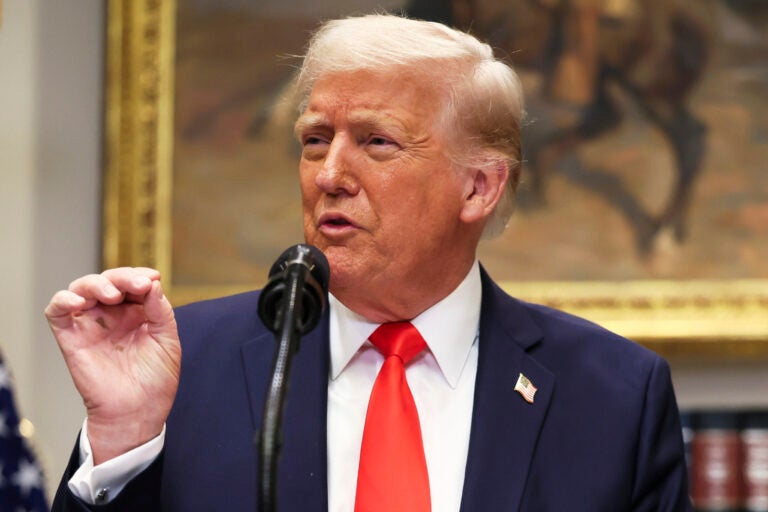
A profound shift in American economic sentiment is underway, presenting a formidable challenge to the Trump administration. According to the latest PBS News/NPR/Marist poll, a record 57% of Americans now disapprove of President Donald Trump's handling of the economy, a domain once considered one of his core strengths. This figure represents the lowest approval rating—36%—that this poll has recorded across both of his terms in office. The sagging confidence is not an isolated statistic but a symptom of deeper, widespread anxieties about affordability, personal finances, and the nation's economic direction as detailed in the PBS NewsHour report.
The Core Drivers of Economic Discontent
The poll identifies several interconnected factors fueling public frustration. Foremost is the pervasive issue of affordability. A striking seven in ten Americans say the cost of living in their area is unaffordable, a sentiment that cuts across party lines, affecting nearly half of Republicans and three-quarters of independents. This represents a 25-percentage-point drop in those finding costs affordable since June. As Lee Miringoff, director of the Marist Institute for Public Opinion, noted, "When affordability is so front and center in people’s minds, that’s going to be laid at the doorstep of a chief executive." The price of goods is the top economic concern for 45% of Americans, far outpacing worries about housing, tariffs, or job security.
Political Repercussions and the 2026 Midterms
This economic dissatisfaction has direct political consequences, significantly dragging down Trump's overall job approval to 38%. More critically, it has reversed a key electoral advantage. The poll shows registered voters now give Democrats a slight edge over Republicans on handling the economy (40% to 35%), a dramatic change from September 2022 when Republicans held a 15-point lead. This shift is particularly pronounced among independent voters. Amy Walter, editor of The Cook Political Report, explained the compounding effect: "The longer this goes on, the harder it is to get those numbers back... It becomes sort of a self-fulfilling situation. People don’t feel confident in you, and they think prices just continue to go up."
Internal Party Strains and Voter Perspectives
Discontent is not limited to opposition voters; it is creating fissures within the Republican coalition. The president's support from his own party dropped five points in a month, and some GOP figures have publicly broken with his messaging. Representative Marjorie Taylor Greene (R-Ga.) stated bluntly, "Affordability or the lack of ability of Americans to afford the cost of living is not a Democrat hoax," directly contradicting Trump's characterization of the issue. The poll captures the nuanced views of Trump voters, from those like Roger Chester, an Illinois independent who calls Trump a "populist puppet" but blames systemic issues, to Republicans like Sherry Kamphaus, who feels betrayed by unmet promises on lowering food prices.
A Broader Climate of Pessimism
The economic concerns are breeding a general sense of gloom. More than half of Americans (57%) have a negative outlook for the year ahead, a reversal from a year ago when most were hopeful. This pessimism is compounded by specific fears, particularly around healthcare costs as enhanced Affordable Care Act subsidies are set to expire. Over half of Americans worry they will be unable to pay for needed care, with concern disproportionately high among lower-income households, Black and Latino voters, and younger Americans. Despite some potential bright spots, like a slight decrease in worry over tariffs and fewer people believing the economy is in a recession, the overall mood remains dour. For many, as Sherry Kamphaus put it, the struggle has shifted from living to merely "surviving." The findings from this comprehensive survey of 1,440 U.S. adults signal that economic anxiety will be a dominant, and potentially decisive, force in American politics moving forward.