Read on Global News
Skydiver's Mid-Air Ordeal: A Harrowing Tale of Survival and Safety Lessons
A routine skydiving jump in Australia turned into a life-threatening emergency when a parachutist's reserve chute snagged on the aircraft's tail, leaving them suspended 15,000 feet in the air. This incident, involving a Cessna 208 Caravan and 17 parachutists, highlights critical safety protocols and the importance of emergency equipment like hook knives. The successful resolution, where the skydiver cut themselves free and landed safely, offers valuable lessons for the skydiving community about risk management and procedural awareness.
A skydiving expedition in northern Queensland, Australia, intended as a thrilling 16-way formation jump, rapidly escalated into a dramatic survival scenario that tested both human ingenuity and safety protocols. The incident, which occurred on September 20, serves as a stark reminder of the inherent risks in extreme sports and the critical importance of preparedness. Footage from the event reveals a sequence of events where a simple snag transformed a planned descent into a fight for survival, offering profound insights into aviation safety and emergency response.

The Incident: A Chain of Events at 15,000 Feet
The flight departed from Tully, Queensland, carrying a pilot and 17 parachutists aiming for a jump from 15,000 feet (over 4,500 meters). According to the Australian Transport Safety Bureau (ATSB) report, the trouble began as the first skydiver and a camera operator exited the aircraft via the roller door. The handle of the skydiver's reserve parachute inadvertently caught on the plane's wing flap, causing an immediate and premature deployment. This action violently dragged the skydiver backward, sending their legs into the aircraft's stabilizer and knocking the camera operator into a freefall. The parachute then entangled itself around the plane's tail, leaving the parachutist dangling helplessly below the aircraft.
Pilot Response and Onboard Crisis Management
The pilot experienced a sudden and severe pitch-up of the aircraft, accompanied by a rapid loss of airspeed. Initially mistaking the event for a stall, the pilot applied corrective measures before being informed of the skydiver's predicament. With the aircraft's handling compromised by the entangled parachute and damaged tailplane, the pilot faced a dual challenge: managing the unstable plane while the emergency unfolded. Thirteen other parachutists exited the aircraft following protocol, while two remained in the doorway to monitor the situation. The pilot maintained a stable descent, issued a mayday call, and prepared to bail out using an emergency parachute if control was lost, ultimately landing the damaged plane without further incident.
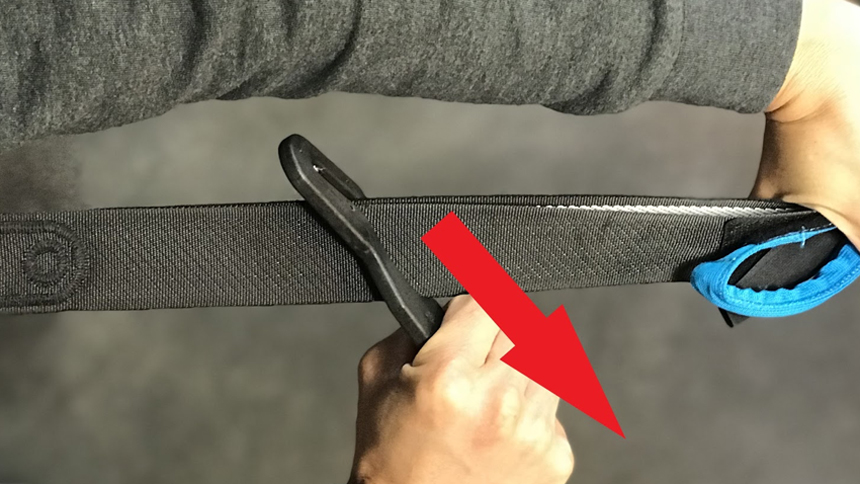
The Skydiver's Lifesaving Actions
Suspended 15,000 feet above ground, the stranded skydiver executed a precise and courageous self-rescue. Utilizing a hook knife—a specialized cutting tool—the individual severed 11 lines from their entangled reserve parachute. This action allowed the remaining material to tear, finally releasing them from the aircraft. In a testament to their training and composure, the skydiver then deployed their main parachute during freefall. Despite partial entanglement with the remnants of the reserve chute, the main canopy inflated sufficiently for a controlled descent. The parachutist landed safely, sustaining only minor injuries from the initial impact with the plane.
Safety Lessons and Procedural Changes
ATSB Chief Commissioner Angus Mitchell emphasized the incident as a critical reminder for skydivers to maintain awareness of their equipment's position, especially during exit. He highlighted that while carrying a hook knife is not a regulatory requirement, its presence in this case was demonstrably "lifesaving." In response to the investigation, the organizing Far North Freefall Club has implemented mandatory hook knives for all jumpers. The club is also revising its training programs and safety procedures, reinforcing the necessity of emergency parachutes for pilots and enhancing pre-jump briefings on handle awareness. These changes aim to mitigate the risk of similar entanglement events in the future.
This harrowing event underscores a fundamental principle in high-risk activities: preparation and the right tools can mean the difference between tragedy and survival. The successful outcome, with all parachutists and the pilot landing safely, is a powerful endorsement of rigorous training, clear-headed emergency response, and the value of simple, dedicated safety equipment like the hook knife. It stands as a case study for adventure sports communities worldwide on integrating risk management into every aspect of operational planning.