Navigating Age Tech: Essential Gadgets for Seniors and Caregivers
Age technology is rapidly evolving to help older adults maintain independence and improve quality of life. This guide explores key considerations when choosing age tech devices, from privacy concerns to installation requirements. We examine several innovative solutions designed for remote caregiving and companionship, helping families make informed decisions about technology that can support aging loved ones while respecting their autonomy and preferences.
As the population ages and more seniors choose to live independently, age technology has emerged as a crucial category bridging the gap between traditional caregiving and modern innovation. With approximately 16 million Americans over 65 living alone according to the US Census Bureau, there's growing demand for solutions that enable older adults to remain in their homes safely while maintaining their quality of life. This comprehensive guide explores the current landscape of age tech, offering insights into what works, what to consider before investing, and how to navigate this rapidly expanding market.
Critical Considerations Before Investing in Age Tech
Before exploring specific devices, it's essential to understand the foundational considerations that should guide any age tech purchase. These factors can determine whether a technology solution will be embraced or rejected by the intended user.
User Acceptance and Willingness
The most crucial question to address is whether the older person actually wants the technology in their home. According to Ed Baig from AARP, having an open conversation with the elder and everyone else in the household is essential before making any purchases. Age tech should never replace human contact or caregivers but rather complement existing support systems. The technology must align with the user's comfort level and willingness to engage with new devices.
Installation and Technical Support
Installation complexity varies significantly between devices. While some seniors are tech-savvy and can set up devices independently, others will require assistance. It's important to consider who will handle installation and ongoing technical support. Many services offer step-by-step guides or live setup sessions with support staff, but family involvement often remains necessary for successful implementation.

Cost Structure and Financial Considerations
Most age tech involves significant financial investment, typically combining upfront hardware costs with ongoing subscription fees. Many services require hardware return if subscriptions are discontinued, so understanding the terms and conditions is crucial. While monthly costs can be high, discounts are often available for longer-term commitments, and some devices may be covered by health-care schemes or insurance. All devices generally require reliable Wi-Fi connectivity in the home.
Privacy and Data Security Concerns
Privacy represents a serious concern with age technology, particularly for devices featuring cameras and microphones that can be remotely accessed. Users must be comfortable with potential monitoring, and careful placement of devices is essential. Most devices include indicators when cameras are active, and some offer privacy shields. Beyond physical privacy, data collection practices by service providers require scrutiny—checking privacy policies and understanding what happens to data if companies go out of business or are acquired is essential.
Leading Age Tech Solutions
The market offers diverse solutions catering to different needs and preferences. Here are some of the most innovative devices currently available.
GrandPad Tablet: Simplified Communication
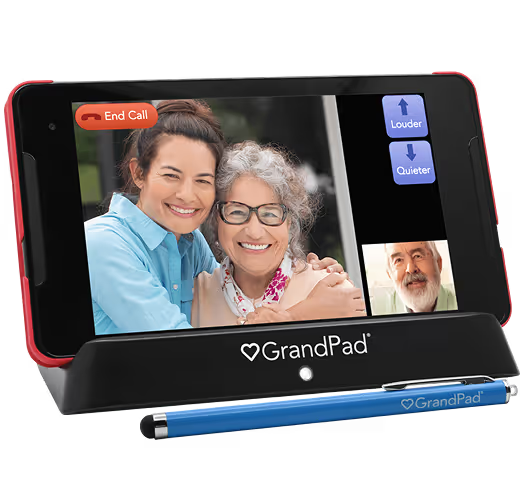
The GrandPad Tablet represents a tailored approach to senior technology. This modified Android tablet comes with a wireless charging cradle, optional cellular service, and a limited range of apps designed specifically for older users. It simplifies video calls, serves as a digital photo frame for family sharing, offers music streaming, and includes games like bingo and chess. The device can be configured remotely by family members or caregivers, and includes 24/7 technical support. While the hardware itself isn't exceptional, the convenience and specialized support make it valuable for families where smartphones have proven too complex.
Cost structure includes $349 for hardware with subscription options starting at $25 monthly for Wi-Fi-only service, $45 for 3GB data plans, and $65 for 10GB data plans.

JubileeTV Set-Top Box: Television Integration
For seniors who spend significant time watching television, the JubileeTV Set-Top Box offers an integrated solution. This smart remote caregiving device pairs with the main TV, providing video calling on a large, familiar screen. Family members can remotely control the TV to help navigate content or resolve technical issues, change channels and streaming services, adjust volume, set medication reminders, and share photos or videos. The device requires careful setup with at least one streaming device connected and Wi-Fi availability.
Privacy considerations are important with JubileeTV, as authorized caregivers can initiate auto-answered video calls and monitor on-device activity. Hardware costs $199 with subscriptions starting at $29 monthly or $289 annually, or bundled options from $39 monthly.
ElliQ AI Companion: Proactive Engagement
The ElliQ AI Companion represents a more experimental approach to age tech. This robot and tablet combination features an animated, light-up face reminiscent of the Pixar lamp and engages seniors in proactive conversation throughout the day. Beyond answering basic queries and providing reminders, ElliQ initiates interactions to promote healthy behaviors and social engagement. The tablet component supports video calls and photo sharing. While some may find the AI companionship patronizing or dystopian, research suggests it can reduce loneliness and encourage social behavior for those living alone.
Pricing includes a $249 enrollment fee with subscriptions starting at $59 monthly, with discounts for annual or two-year contracts.
Emerging Technologies and Future Directions
The age tech sector continues to expand with innovative approaches to senior care and engagement.
Memory Air Scent Device: Olfactory Stimulation
Based on research linking smell to memory enhancement, the Memory Air device uses scent exposure during sleep to potentially improve cognitive function. Developed by neurobiology expert Michael Leon, studies showed a 226-percent improvement in memory tests for adults with moderate dementia after 15 days of use. The device sits on a nightstand and exposes users to 40 different scents twice nightly using replaceable cartridges. While expensive at $799 for hardware plus $39 monthly subscriptions, it represents a natural, medication-free approach to cognitive support.
Additional Notable Solutions
Several other devices merit consideration for specific use cases. The OnScreen Joy TV Set-Top Box offers simplified video calling and AI companionship at a lower price point ($180 hardware plus $30 monthly). The Cerret Bracelet provides emergency alert functionality in an attractive, jewelry-like design that doesn't stigmatize the wearer. Emerging services like Nomo Smart Care use AI to learn routines and flag deviations, while StoriedLife helps create interactive memoirs through AI assistance.
Practical Implementation Strategies
Successfully integrating age tech requires thoughtful planning and ongoing management.
Begin with clear conversations about needs and preferences, ensuring the technology addresses genuine concerns rather than creating new complications. Plan for installation assistance and initial training, recognizing that some seniors will require more support than others. Establish protocols for technical troubleshooting and regular check-ins to ensure devices continue meeting needs.
Balance technology use with in-person interactions, avoiding overreliance on remote monitoring at the expense of personal contact. Consider backup plans for power or Wi-Fi outages, and regularly review whether devices still serve their intended purpose as needs evolve.
Conclusion: Smart Integration for Enhanced Independence
Age technology offers promising solutions for supporting older adults while respecting their autonomy and preferences. The key to successful implementation lies in careful selection based on individual needs, thorough consideration of privacy and cost factors, and maintaining technology as a supplement to—not replacement for—human connection. As this sector continues to evolve, staying informed about new developments through resources like the AARP's AgeTech Collaborative can help families make decisions that truly enhance quality of life for aging loved ones.
When approached thoughtfully, age tech can bridge gaps in caregiving, reduce isolation, and empower seniors to maintain independence longer. The most effective solutions will always be those that align with the user's comfort level, address specific challenges, and integrate seamlessly into daily life while preserving dignity and personal choice.