 Read on cbsnews.com
Trump's FBI Appointment and Biden's Final Diplomacy: A Week in Political Transition
This week's political landscape is defined by two contrasting narratives of presidential transition. President-elect Donald Trump's controversial move to appoint Kash Patel to lead the FBI, despite no current vacancy, has sparked significant debate about executive authority and institutional norms. Simultaneously, in the closing days of the Biden administration, the White House is making a final push to secure diplomatic breakthroughs on the international stage. These parallel developments highlight the complex dynamics of power transfer and the enduring influence of outgoing and incoming administrations on national security and foreign policy.
The final weeks of any presidential administration are typically marked by a flurry of activity, as outgoing officials seek to cement their legacy and incoming leaders begin to assert their vision. This week, as reported on CBS News's "Face the Nation with Margaret Brennan," the American political stage presents a particularly stark juxtaposition. On one hand, President-elect Donald Trump has made a provocative personnel decision regarding the nation's premier law enforcement agency. On the other, President Joe Biden's team is working against the clock to achieve last-minute foreign policy objectives. Together, these events underscore the tensions and continuities inherent in the transfer of executive power.

The Controversy Over the FBI Leadership
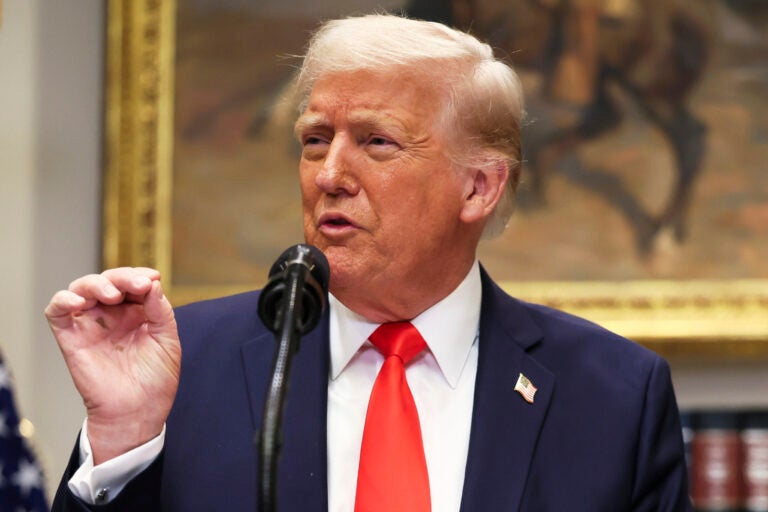
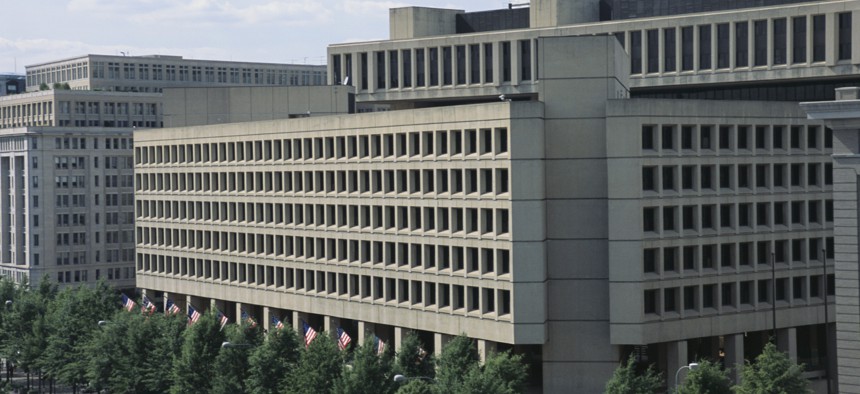
At the center of this week's political discourse is President-elect Donald Trump's announcement that he intends to appoint Kash Patel to lead the Federal Bureau of Investigation. This decision, as highlighted in the CBS News coverage, is immediately controversial for a fundamental reason: there is currently no vacancy for the position of FBI Director. The move raises immediate questions about the boundaries of presidential appointment authority during a transition period and signals a potential clash over the leadership of a critical non-partisan institution.
Understanding the Context of the Appointment
The appointment of Kash Patel is not occurring in a vacuum. Patel, a former Pentagon chief of staff and a loyalist to Trump, has been a controversial figure in previous administrations. His selection for such a sensitive role, overseeing domestic intelligence and federal law enforcement, suggests a desire by the incoming administration to place a trusted ally in a position of significant influence. The preemptive nature of the announcement, before the current director's term has ended, is being interpreted by many observers as a strategic political statement, emphasizing the incoming president's agenda for the agency.
Biden's Final Diplomatic Push
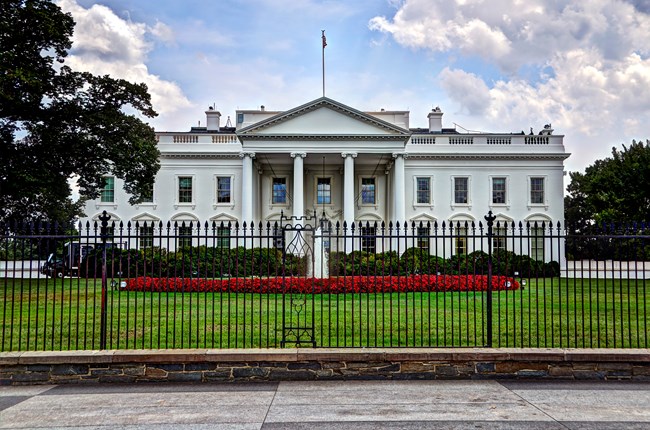
While the incoming administration makes waves domestically, the outgoing Biden administration is focused on its final opportunities to shape international affairs. In the closing days of his term, President Biden and his team are reportedly engaged in intense efforts to secure last-minute diplomatic breakthroughs. This period represents a narrow window to finalize negotiations, solidify alliances, or address lingering foreign policy challenges before handing over the reins of power.
The nature of these potential breakthroughs remains a focus of speculation, but they likely involve ongoing conflicts, trade negotiations, or strategic partnerships. This final push is a common feature of lame-duck periods, where an administration seeks to lock in achievements that might be harder to pursue once a new team with different priorities takes office. The success or failure of these efforts will form a key part of the Biden administration's foreign policy legacy.
Analysis: Norms, Power, and Transition
The simultaneous occurrence of these two storylines—a contentious domestic appointment and a frantic diplomatic finale—offers a rich tableau for analyzing American governance. The Trump appointment challenges established norms regarding the timing and process of filling non-vacant, Senate-confirmed positions. It tests the resilience of federal institutions designed to operate independently of political cycles. Conversely, the Biden administration's work highlights how even a departing president retains potent, though diminishing, executive authority to influence global events.
This week exemplifies the dual reality of a presidential transition: one administration working to conclude its agenda while another begins to implement its own, often in ways that directly contrast with the outgoing team's approach. The coming weeks will reveal the practical implications of Trump's FBI announcement and the tangible outcomes of Biden's diplomatic efforts, setting the tone for the next chapter in American politics.
In conclusion, the political landscape is defined by parallel narratives of arrival and departure. President-elect Trump's move regarding the FBI leadership is a bold opening gambit that has ignited debate about institutional independence. Meanwhile, President Biden's team is in a race against time to convert diplomatic capital into lasting achievements. As covered by "Face the Nation," these developments remind us that the transfer of power is not a single moment but a complex process where the agendas of two presidents actively intersect, shaping the immediate future of both domestic policy and America's role in the world.