The Rise of Full-Meal Replacement Drinks: A Modern Solution to Time and Nutrition
Full-meal replacement drinks have evolved from niche protein shakes to comprehensive nutritional solutions designed for busy lifestyles. These products promise to eliminate the time and effort required for traditional meals while providing balanced nutrition. From tech-focused brands like Huel and Soylent to established names like SlimFast, the market offers diverse options catering to different dietary needs and preferences. This article explores how these drinks work, their benefits for time-strapped individuals, and what to consider when choosing a meal replacement solution.
In today's fast-paced world, where time is often the most precious commodity, the concept of full-meal replacement drinks has gained significant traction. These products represent a modern approach to nutrition that eliminates the need for cooking and chewing food entirely. What began as simple protein shakes has evolved into sophisticated nutritional formulations designed to provide complete meals in liquid form. This article examines how these drinks work, their benefits for busy individuals, and the diverse options available in today's market.
Understanding Full-Meal Replacement Drinks
Full-meal replacement drinks differ significantly from traditional protein shakes or dietary supplements. While protein shakes typically focus on muscle building and recovery, meal replacements aim to provide comprehensive nutrition that can substitute for an entire meal. These products contain balanced combinations of macronutrients (proteins, carbohydrates, and fats) along with essential vitamins, minerals, and often plant-based fibers. The goal is to keep your body functioning optimally while eliminating hunger, allowing you to focus on work or other activities without the interruption of meal preparation.

Key Benefits of Meal Replacement Solutions
The primary advantage of full-meal replacement drinks is their time-saving nature. Traditional breakfast preparation can take 15-30 minutes, while these drinks can be consumed in under five minutes. This efficiency appeals particularly to professionals with demanding schedules, remote workers, and anyone seeking to optimize their daily routine. Beyond time savings, these products offer nutritional consistency, eliminating the variability that comes with different food choices and preparation methods. Many brands also provide precise calorie and nutrient information, making it easier to track dietary intake for health or fitness goals.
Market Leaders and Product Options
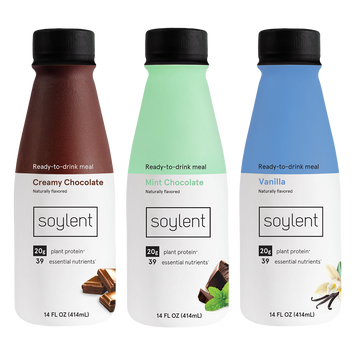
The meal replacement market features several prominent brands, each with distinct approaches and target audiences. Huel has established itself as a leader with products like the Black Edition RTD High-Protein Meal, which offers 35 grams of protein and 400 calories per serving. The brand emphasizes complete nutrition with vegan, gluten-free formulations. Soylent, founded in 2013, pioneered the tech-focused approach to meal replacement, targeting busy professionals who value convenience above all else. Their High Protein Nutrition Shake provides 16 grams of protein and 320 calories at an affordable price point.
Established brands like SlimFast continue to compete in this space, offering familiar options like their Vanilla Cream shake with updated formulations. Newer entrants like HLTH Code Complete Meal Replacement Shake focus on clean ingredients and minimal flavor profiles for those sensitive to strong tastes. The market also includes customizable options like True Nutrition's Endurance Meal Replacement Formula, which allows users to build their own blends with specific add-ons like supergreens or vitamin boosts.
Considerations for Choosing a Meal Replacement
When selecting a full-meal replacement drink, several factors warrant consideration. Nutritional content should align with individual needs, including protein requirements, calorie targets, and dietary restrictions. Texture and flavor preferences vary significantly between products, with some offering thick, substantial consistencies while others provide lighter, more drinkable options. Satiety levels differ between formulations, with higher fat and fiber content generally providing longer-lasting fullness. Cost per serving represents another important consideration, with prices ranging from approximately $1 to $9 per meal depending on the brand and product.
Practical Applications and Usage Scenarios
Full-meal replacement drinks serve various practical purposes in modern lifestyles. For busy professionals, they offer reliable morning nutrition that doesn't interrupt workflow. Students facing demanding schedules can benefit from the convenience and nutritional consistency. Fitness enthusiasts may use them as part of specific dietary protocols or as convenient post-workout nutrition. These products also serve well during travel or situations where traditional meal preparation isn't feasible. However, most nutrition experts recommend using them as supplements rather than complete dietary replacements, ensuring variety and whole food intake remains part of the overall nutrition strategy.

Conclusion
Full-meal replacement drinks represent a significant evolution in how we approach nutrition in time-constrained environments. While they don't replace the social and sensory experiences of traditional meals, they offer practical solutions for specific situations and lifestyles. As the market continues to expand with more options and improved formulations, consumers have greater choice in finding products that match their nutritional needs, taste preferences, and budgetary considerations. Whether used occasionally for convenience or as part of a structured nutritional plan, these products demonstrate how innovation continues to reshape our relationship with food and time management.