Read on PBS News
Political Earthquake in Ukraine: Zelenskyy's Chief of Staff Resigns Amid Corruption Scandal
Ukraine faces a major political crisis as President Volodymyr Zelenskyy's chief of staff Andrii Yermak, the country's second-most-powerful official, has been forced to resign amid a corruption scandal. This development comes at a critical moment when Ukraine is engaged in negotiations with the Trump administration regarding a potential end to Russia's ongoing war. The resignation of Yermak, who served as both the administrative brains behind Zelenskyy's government and the lead negotiator in peace talks, significantly weakens Ukraine's position and raises serious questions about the country's anti-corruption efforts during wartime.
A major political upheaval has shaken Ukraine's government as President Volodymyr Zelenskyy's chief of staff Andrii Yermak resigned amid a corruption scandal that threatens to undermine both domestic stability and international negotiations. This development represents one of the most significant political crises since Russia's full-scale invasion began, occurring precisely when Ukraine is engaged in sensitive discussions with the Trump administration about potentially ending the conflict.
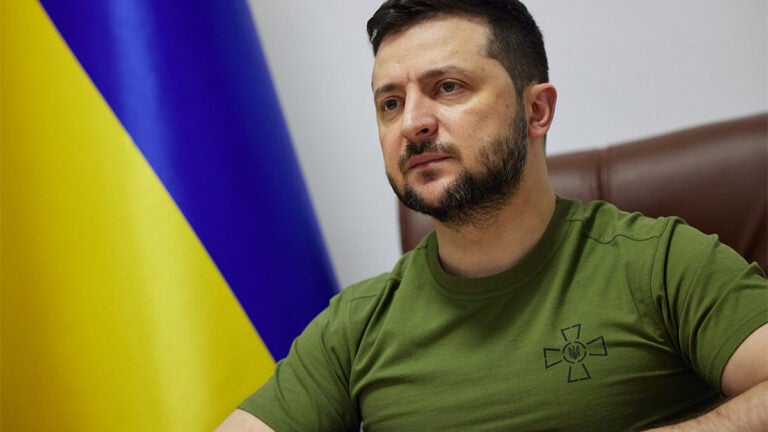
The Significance of Yermak's Resignation
Andrii Yermak served as Ukraine's second-most-powerful official and played a crucial role in President Zelenskyy's administration. Following Zelenskyy's landslide election victory in 2019, power became increasingly centralized around the presidential office, with Yermak emerging as the key architect of this executive-dominated system. As one anti-corruption activist described the dynamic, "Zelenskyy is the face of government, while Yermak was the brains." His departure creates a substantial power vacuum at the highest levels of Ukrainian leadership.
Operation Midas Corruption Scandal
The resignation follows investigations under Operation Midas, an anti-corruption initiative that has resulted in numerous high-level raids and charges over the past month. The scandal centers around allegations that public officials embezzled approximately $100 million intended for Ukraine's energy sector. The funds were supposedly diverted through inflated infrastructure procurement contracts, with the money being siphoned off rather than used to strengthen the country's electrical grid.
Impact on War Negotiations and International Relations
Yermak's resignation carries profound implications for Ukraine's negotiating position in peace talks with Russia. As Zelenskyy's lead negotiator, his departure creates immediate disruption in ongoing discussions with the Trump administration. More significantly, the corruption scandal provides ammunition for Russia to portray Ukraine as an unreliable partner to international allies. The timing is particularly damaging as Ukraine faces daily bombardment from Russian drones and missiles targeting energy infrastructure, making the misappropriation of energy funds especially galling to Ukrainian citizens.
President Zelenskyy addressed the situation in his evening statement, emphasizing the need to preserve internal strength and prevent any distractions from Ukraine's defense efforts. He stated, "I don't want anybody to be questioning Ukraine, and that's why we have today's decisions," acknowledging the damage the scandal has caused to the country's international credibility.
Broader Implications for Ukrainian Governance
This crisis highlights the ongoing challenge of corruption within Ukraine's government, despite international pressure and aid conditions requiring anti-corruption reforms. The involvement of high-ranking officials, including a former deputy prime minister and associates of Zelenskyy's pre-presidential business ventures, demonstrates how deeply corruption has penetrated the administration. The scandal particularly implicates Timur Mindich, Zelenskyy's former business partner, and his network of appointees.
The resignation weakens Ukraine at a critical juncture, potentially affecting both military support from allies and negotiation leverage with Russia. As Ukraine continues to defend itself against Russian aggression while pursuing peace talks, this internal crisis complicates an already challenging strategic position and raises questions about the government's ability to maintain unity and effectiveness during wartime.