Read on nature.com
Unlocking the Mysteries of Antimatter: Breakthroughs in Particle Physics Research
Recent advancements at CERN's ALPHA experiment have enabled researchers to trap more atoms of antimatter more quickly than ever before, representing a potentially transformative step in understanding this elusive substance. This breakthrough could help explain one of physics' greatest mysteries: why our universe is dominated by matter rather than antimatter. The research published in Nature Communications marks significant progress in antimatter studies that may ultimately reveal fundamental truths about the nature of our universe and the imbalance between matter and antimatter.
The study of antimatter represents one of the most fascinating frontiers in modern physics, with recent breakthroughs at CERN's ALPHA experiment opening new possibilities for understanding why our universe contains so much more matter than antimatter. This fundamental asymmetry between matter and antimatter has puzzled physicists for decades, as current theories suggest both should have been created in equal amounts during the Big Bang.
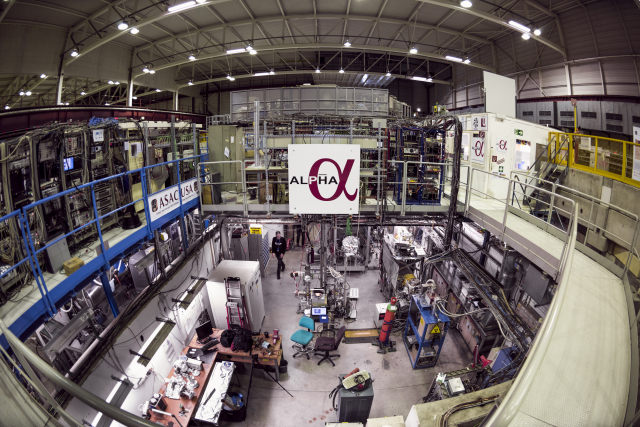
Breakthrough in Antimatter Trapping
According to research published in Nature Communications, scientists at the ALPHA experiment have achieved unprecedented success in trapping antimatter atoms. The team has managed to trap more atoms of antimatter more quickly than ever before, representing what researchers describe as a potentially transformative step in elucidating the mysteries of this elusive substance. This advancement addresses one of the primary challenges in antimatter research: the difficulty of containing antimatter long enough to study its properties in detail.
The Matter-Antimatter Asymmetry Problem
The central mystery driving antimatter research concerns the fundamental imbalance in our universe. According to the Standard Model of particle physics, the Big Bang should have produced equal amounts of matter and antimatter. When matter and antimatter particles meet, they annihilate each other, releasing energy. If equal amounts had been created initially, the universe should have contained nothing but radiation. The fact that we live in a matter-dominated universe suggests there must be some fundamental difference in how matter and antimatter behave.

Implications for Fundamental Physics
The ability to study trapped antimatter more effectively opens new avenues for testing fundamental physics theories. By comparing the properties of antimatter atoms with their matter counterparts with unprecedented precision, researchers hope to identify subtle differences that could explain the matter-antimatter asymmetry. Each successful trapping and study of antimatter brings scientists closer to understanding whether the laws of physics treat matter and antimatter differently in ways we haven't yet discovered.
As research continues at facilities like CERN, the improved techniques for trapping and studying antimatter promise to shed light on one of the most fundamental questions in physics. The progress made by the ALPHA experiment team represents not just a technical achievement but a significant step toward understanding why our universe exists in its current form and what fundamental principles govern the relationship between matter and antimatter.