Read on nature.com
Mitochondrial DNA Editing Breakthroughs: Unlocking New Frontiers in Genetic Medicine
Researchers are overcoming longstanding challenges in mitochondrial DNA editing, developing new techniques that could revolutionize treatment for incurable mitochondrial diseases. While CRISPR-based gene editing has transformed modern biology, it cannot access the DNA inside mitochondria. Recent breakthroughs are bringing precise mitochondrial genome editing within reach, potentially enabling treatments for genetic conditions affecting cellular energy production.
The field of genetic medicine is on the cusp of a major breakthrough as researchers develop new techniques to edit mitochondrial DNA, overcoming limitations that have long frustrated scientists. While CRISPR-based gene editing has revolutionized modern biology, these powerful tools have remained unable to access the DNA residing inside mitochondria, leaving a critical gap in our ability to treat genetic conditions affecting cellular energy production.
The Mitochondrial DNA Challenge
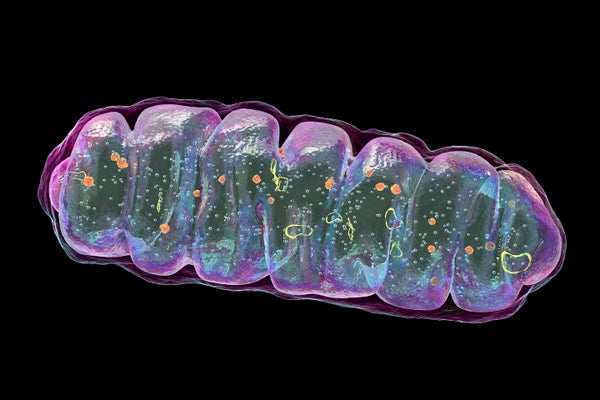
Mitochondria, often called the powerhouses of the cell, contain their own DNA separate from the nuclear DNA that CRISPR tools can easily access. This mitochondrial DNA (mtDNA) plays a crucial role in energy production, and mutations in this genetic material can cause devastating mitochondrial diseases that currently have no cure. Researchers have been eager to develop editing techniques specifically for mitochondrial DNA to understand more about energy production mechanisms and address these incurable conditions.
Beyond CRISPR Limitations
Traditional CRISPR gene editing systems rely on guide RNA molecules to target specific DNA sequences, but these RNA molecules cannot penetrate the mitochondrial membrane. This fundamental limitation has forced scientists to explore alternative approaches to mitochondrial genome editing. The past few years have seen significant progress in developing new methods that bypass the need for RNA-based targeting systems.
Emerging Editing Techniques
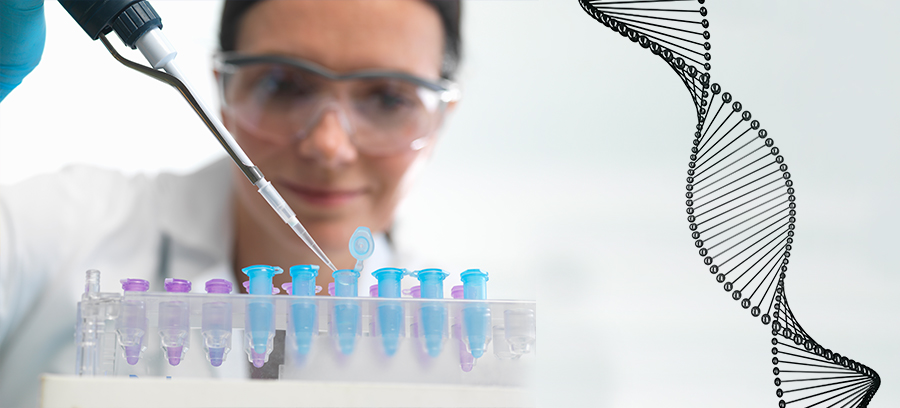
New approaches to mitochondrial DNA editing are showing promising results, though researchers emphasize that making these techniques safe and accurate enough for clinical applications remains a priority. The development of these tools represents a critical step toward potential treatments for mitochondrial diseases, which can affect multiple organ systems and cause severe health complications. As these editing methods continue to improve, they could eventually provide hope for individuals suffering from currently untreatable genetic conditions.
Future Implications for Medicine
The ability to precisely edit mitochondrial DNA could transform our approach to treating a range of genetic disorders. Beyond addressing mitochondrial diseases specifically, this capability could provide insights into aging, neurodegenerative conditions, and other processes where mitochondrial function plays a key role. Researchers are working to ensure these new editing techniques meet the safety standards required for potential therapeutic applications.

The progress in mitochondrial DNA editing represents an exciting frontier in genetic medicine, building on the foundation established by CRISPR technology while addressing its limitations. As researchers continue to refine these new techniques, the potential for treating previously incurable mitochondrial diseases grows increasingly tangible, offering new hope for patients and advancing our understanding of cellular energy production and genetic health.