Read on nature.com
Understanding the Role of Matrix Viscoelasticity in Liver Cancer Progression
Recent research published in Nature reveals how matrix viscoelasticity contributes to liver cancer progression in pre-cirrhotic livers. This groundbreaking study from Stanford University researchers demonstrates that the mechanical properties of the liver's extracellular matrix play a crucial role in cancer development, even before cirrhosis sets in. The findings provide new insights into early detection and potential therapeutic interventions for liver cancer, particularly in patients with non-alcoholic steatohepatitis.
Liver cancer represents one of the most challenging malignancies in modern medicine, with researchers continually seeking to understand the complex mechanisms driving its progression. A recent study published in Nature has shed new light on how the mechanical properties of liver tissue contribute to cancer development, specifically focusing on matrix viscoelasticity in pre-cirrhotic livers. This research provides crucial insights that could transform our approach to early detection and treatment strategies.
The Science Behind Matrix Viscoelasticity
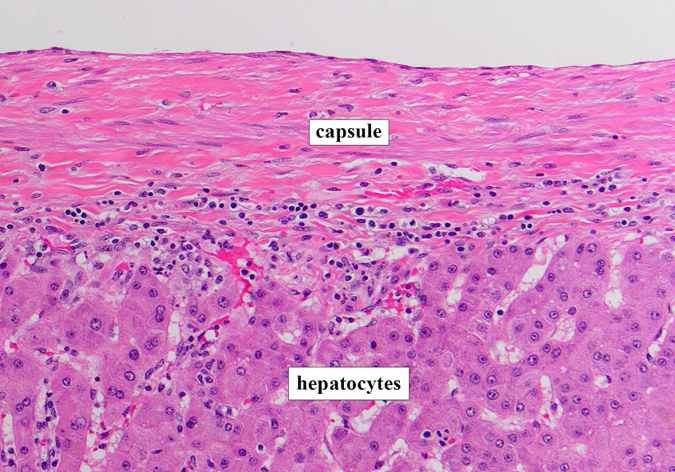
Matrix viscoelasticity refers to the combined viscous and elastic properties of the extracellular matrix – the complex network of proteins and molecules that provides structural support to cells. In the liver, this matrix undergoes significant changes during disease progression. The research team from Stanford University discovered that alterations in these mechanical properties create an environment conducive to cancer development, even in livers that haven't yet developed cirrhosis.
Research Methodology and Key Findings
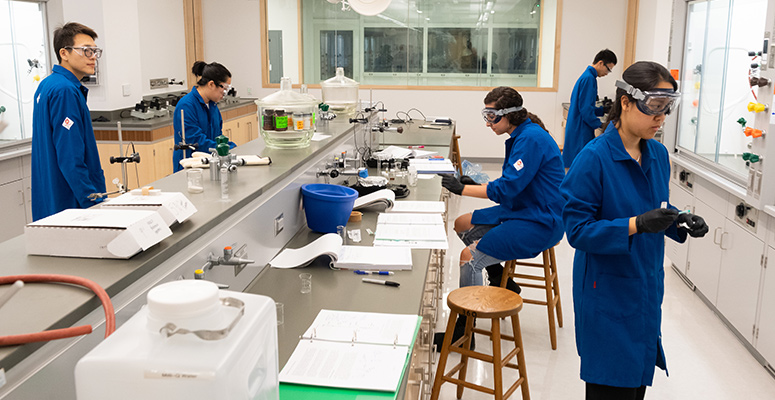
The study involved a multidisciplinary team from multiple institutions, including Stanford University, Purdue University, and the University of Pittsburgh. Researchers employed advanced biophysical techniques to measure and analyze the mechanical properties of liver tissue. Their findings revealed that increased matrix viscoelasticity promotes cancer progression through mechanisms that affect cell behavior and signaling pathways.

Implications for Liver Cancer Treatment
This research has significant implications for understanding liver cancer development, particularly in patients with non-alcoholic steatohepatitis (NASH). By identifying matrix viscoelasticity as a key factor in cancer progression, the study opens new avenues for early intervention. Potential applications include developing diagnostic tools that measure tissue mechanical properties and creating therapies that target the extracellular matrix to prevent cancer development.
The correction noted in the published article involved updates to Figure 1n and its source data, though the research conclusions remain unchanged. This demonstrates the rigorous peer-review process that ensures scientific accuracy in high-impact publications like Nature.
Future Research Directions
The findings from this study pave the way for further investigation into how mechanical properties influence cancer biology. Future research may explore targeted therapies that modify matrix viscoelasticity to prevent or slow cancer progression. Additionally, these insights could be applied to other organ systems where extracellular matrix changes contribute to disease development.

The discovery that matrix viscoelasticity promotes liver cancer progression in pre-cirrhotic livers represents a significant advancement in our understanding of cancer biology. This research highlights the importance of considering mechanical properties alongside biochemical factors in cancer development. As scientists continue to explore these mechanisms, we move closer to developing more effective strategies for early detection and intervention in liver cancer patients.