How Earthquakes Fuel Underground Life in Yellowstone's Depths
Groundbreaking research from Yellowstone National Park reveals that small earthquakes can dramatically recharge microbial ecosystems deep underground. Scientists discovered that seismic activity exposes fresh rock surfaces and releases trapped fluids, creating chemical energy bursts that sustain diverse microbial communities. This dynamic process, observed through deep borehole sampling, shows how life thrives in extreme environments without sunlight and may have implications for understanding life on other planets.
Deep beneath the iconic landscapes of Yellowstone National Park, a remarkable ecological phenomenon is unfolding in complete darkness. Recent research has uncovered that small earthquakes, far from being destructive events, actually serve as vital energy sources for microbial life thriving in the park's subterranean depths. This discovery challenges conventional understanding of how life persists in extreme environments and opens new possibilities for exploring life beyond Earth.

The Underground Ecosystem
Yellowstone's subsurface hosts a complex network of microbial communities living in rock and water systems far below the surface. Unlike surface ecosystems that depend on sunlight through photosynthesis, these deep environments rely entirely on chemical reactions for energy. When water moves through fractured rock, it triggers chemical processes that provide the fundamental energy sources supporting diverse microbial life forms.
Earthquake-Driven Energy Renewal
The 2021 earthquake swarm in Yellowstone provided researchers with a unique opportunity to study how seismic activity affects these hidden ecosystems. According to the PNAS Nexus study, earthquakes reshape the underground environment through multiple mechanisms. The shaking breaks open new rock surfaces, releases previously trapped fluids, and redirects water flow through subsurface channels. Each of these effects creates fresh chemical reactions that alter the available energy sources for microbial communities.
Chemical and Biological Transformations
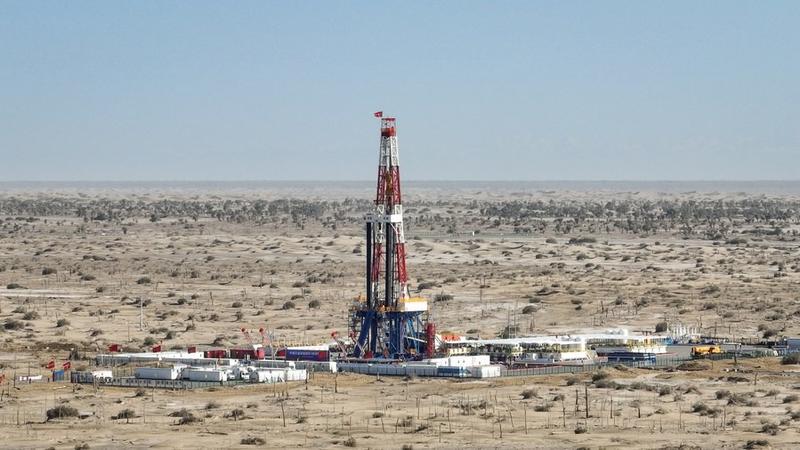
Through careful monitoring of a nearly 100-meter deep borehole along Yellowstone Lake's western edge, researchers documented significant changes following the earthquake activity. Water samples collected throughout 2021 showed notable increases in hydrogen, sulfide, and dissolved organic carbon—all crucial energy sources for subsurface organisms. The research team also detected rising numbers of planktonic cells in the water column, indicating increased microbial activity and population growth.
Implications for Life Beyond Earth
The Yellowstone findings have profound implications for understanding life in extreme environments, both on Earth and potentially on other planets. The mechanism of earthquake-driven energy renewal could explain how microbial life persists in deep, isolated environments worldwide. More significantly, this dynamic might occur on other rocky planets containing water, such as Mars. If geological activity can refresh chemical resources below the surface, it could expand the potential habitats where microbial life might exist elsewhere in our solar system.

The Yellowstone research demonstrates that even small seismic events can drive meaningful ecological shifts in underground environments. This discovery not only enhances our understanding of Earth's deep biosphere but also provides valuable insights for astrobiological research. As scientists continue to explore extreme environments on our planet, they're building frameworks for searching for life in similarly challenging conditions throughout the universe.