Read on nature.com
Understanding Scientific Corrections: The Hexaploid Oat Pangenome Study Update
Scientific research undergoes continuous refinement through peer review and corrections. A recent Nature publication correction for the hexaploid oat pangenome study demonstrates how scientific transparency works in practice. This article explains the correction process, why minor errors occur in major studies, and how such updates maintain research integrity while advancing agricultural genomics.
Scientific research is a dynamic process where accuracy and transparency are paramount. Even in prestigious journals like Nature, occasional errors require correction to maintain the integrity of published findings. A recent example involves the correction of a caption in the hexaploid oat pangenome study, demonstrating how the scientific community ensures research accuracy through systematic review and correction processes.

The Correction Process in Scientific Publishing
Scientific corrections serve as an essential quality control mechanism in academic publishing. When errors are identified post-publication, journals implement correction notices to ensure readers have access to accurate information. The recent correction to the hexaploid oat pangenome study involved updating an incorrect caption for Extended Data Figure 10, with both the original and corrected versions now available for comparison in supplementary materials.
Understanding the Hexaploid Oat Pangenome Research
The original study, published in Nature, represents a significant advancement in agricultural genomics. Hexaploid oats contain six sets of chromosomes, making their genetic structure particularly complex. The pangenome approach examines the complete set of genes across multiple oat varieties, providing researchers with comprehensive genetic information that can inform breeding programs and crop improvement efforts.

Importance of Research Transparency
Transparency in scientific publishing ensures that research findings remain reliable and reproducible. Correction notices, like the one issued for the oat pangenome study, demonstrate the scientific community's commitment to accuracy. By openly acknowledging and correcting errors, researchers maintain trust in their findings and provide other scientists with complete information for their own work.
International Collaboration in Agricultural Research
The hexaploid oat study involved researchers from multiple countries and institutions, highlighting the global nature of modern scientific research. Collaborative efforts like this bring together diverse expertise and resources to tackle complex agricultural challenges, ultimately contributing to food security and sustainable farming practices worldwide.
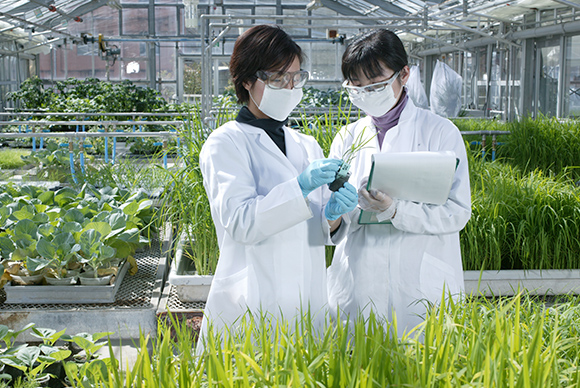
Scientific corrections represent the ongoing refinement process that characterizes rigorous research. The hexaploid oat pangenome correction demonstrates how the scientific community maintains high standards of accuracy and transparency. As research continues to advance our understanding of crop genetics, such corrections ensure that published findings remain reliable foundations for future studies and practical applications in agriculture.