Read on PBS News
Independent Voters Favor Democrats 2-to-1 in Latest Poll, Signaling Midterm Challenges for Republicans
A new PBS News/NPR/Marist poll reveals independent voters prefer Democratic candidates over Republicans by a 2-to-1 margin, creating significant headwinds for the GOP heading into the 2026 midterm elections. The survey shows Democrats holding a 14-point advantage overall among registered voters, the largest lead since 2017. The findings suggest Republican struggles with key voter demographics and economic concerns may be driving this political realignment.
Recent polling data reveals a significant political shift that could reshape the upcoming midterm elections. According to the latest PBS News/NPR/Marist poll, independent voters now favor Democratic candidates over Republicans by a substantial 2-to-1 margin. This development comes as Democrats maintain a 14-point overall advantage among registered voters, representing their largest lead since November 2017.
Polling Methodology and Key Findings
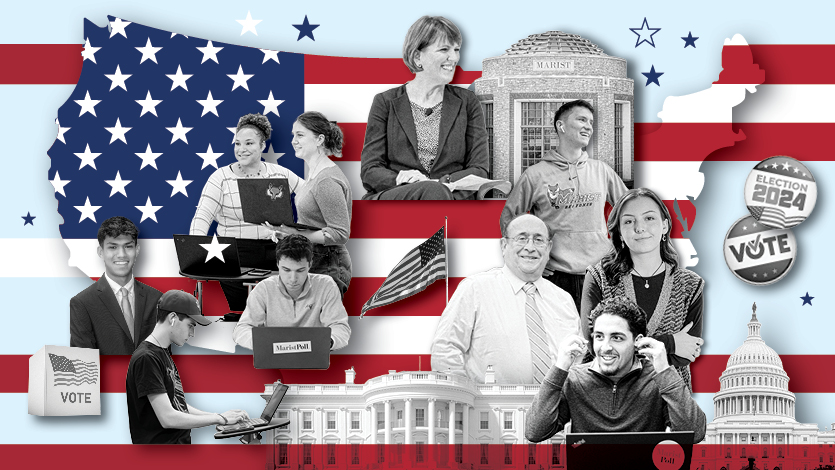
The comprehensive survey, conducted from November 10-13, 2025, polled 1,443 U.S. adults by phone, text, and online methods. The margin of error for the overall sample stands at 3 percentage points, while the registered voter subset of 1,291 respondents carries a 3.1 percentage point margin of error. The independent voter segment, which showed the dramatic 2-to-1 preference for Democrats, had a margin of error of 5.6 percentage points.
Political Context and Historical Significance
This polling advantage for Democrats marks their strongest position since November 2017, a year before the party gained more than 40 seats in the House of Representatives during President Donald Trump's first term. Lee Miringoff, director of the Marist Institute for Public Opinion, noted that as the party out of power in Washington, Democrats benefit from being seen as "the other guy" – meaning voters are more inclined to give them a chance to govern during midterm elections.

Factors Driving the Political Shift
Several factors appear to be contributing to this political realignment. High-profile Democratic election victories in New York, New Jersey, and Virginia have had "consequences in invigorating Democrats" while potentially dampening Republican enthusiasm, according to Amy Walter, editor-in-chief of The Cook Political Report with Amy Walter. She pointed to President Trump's sagging popularity and economic frustrations as key reasons for waning Republican support, particularly among independents.
The poll also reveals concerning trends for Republicans regarding President Trump's approval ratings. Only 39% of respondents approve of his job performance, while 56% disapprove – including 48% who strongly disapprove. This represents the lowest approval rating of his second term and matches the lowest point from his first term following the January 6th Capitol attack.
Economic Concerns Dominate Voter Priorities
Economic issues appear to be driving voter preferences significantly. When given a list of issues, 57% of Americans identified lowering prices as the top priority for the White House. Majorities of Democrats and independents, along with a plurality of Republicans, shared this view. Controlling immigration, which has been a major focus of the Trump administration, trailed affordability concerns by 41 points in the public's list of presidential priorities.

Miringoff observed that the Trump administration has been "out of step with where the public is" on affordability issues. While the president has focused on reducing crime, ending wars in Ukraine and Gaza, and combating drug trafficking, these priorities "don't resonate" with voters concerned about economic pressures.
Broader Political Implications
The polling data suggests broader challenges for both political parties. Only 1 in 5 Americans expresses confidence in Congress following the recent 43-day government shutdown. The presidency, Supreme Court, and media also face significant public distrust. Both major political parties suffer from confidence deficits, with 65% lacking confidence in Republicans and 71% saying the same about Democrats.
Despite these broader concerns, the binary choice facing voters in the upcoming midterms currently favors Democrats. As Walter noted, bleak opinions of the Democratic Party are "not preventing voters from preferring a Democratic Congress." However, Miringoff cautioned that the results also convey "an anti-incumbent message" that should concern all those in power.
The political landscape appears increasingly polarized, with significant majorities in both parties viewing the opposition as dishonest and closed-minded. Among independents, half view Democrats as mostly open-minded compared to nearly a third who say the same about Republicans. This trust deficit, combined with economic concerns and shifting voter preferences, sets the stage for a potentially transformative midterm election cycle.