Breakthrough Alzheimer's Research Reveals New Strategy: Stop Tau Protein Clusters Before They Form Fibrils
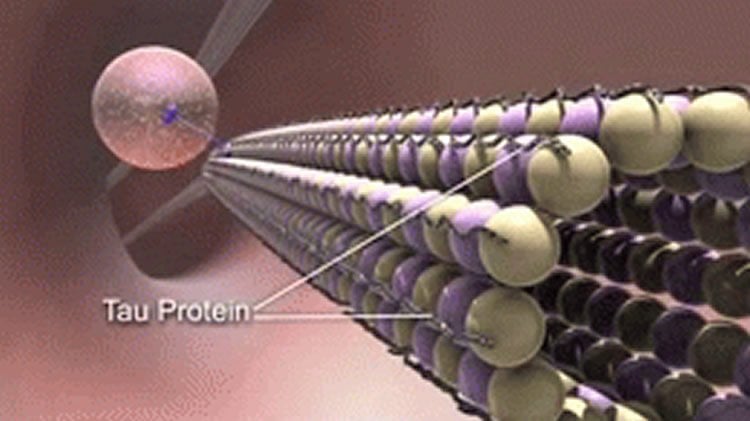
Groundbreaking research from Tokyo Metropolitan University reveals that Alzheimer's-associated tau proteins don't immediately form harmful fibrils but first assemble into soft, reversible clusters. Scientists discovered that dissolving these early-stage nanoclusters almost completely suppresses fibril formation, suggesting a promising new therapeutic approach. This finding represents a potential paradigm shift in Alzheimer's treatment strategies, moving from targeting established fibrils to preventing their formation at the earliest stages.
Alzheimer's disease research has taken a significant step forward with new findings that could reshape therapeutic approaches. Researchers at Tokyo Metropolitan University have uncovered a critical intermediate stage in the development of Alzheimer's pathology that opens new possibilities for intervention. Rather than tau proteins directly forming the harmful fibrils associated with Alzheimer's, they first assemble into soft, reversible clusters that serve as precursors to the damaging structures.
The Polymer Physics Approach to Alzheimer's
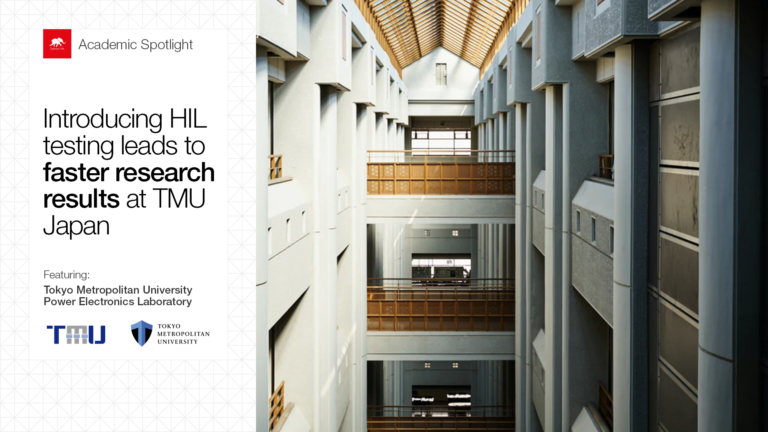
Professor Rei Kurita's research team applied concepts from polymer physics to understand tau protein behavior, drawing parallels between how polymers organize into crystals and how tau proteins form fibrils. This interdisciplinary approach revealed that tau fibrillization follows a similar pattern to polymer crystallization, passing through intermediate precursor structures before forming the final, ordered fibrils that characterize Alzheimer's pathology.
Key Discovery: Reversible Nanoclusters
Using advanced techniques including small angle X-ray scattering and fluorescence-based analyses, the researchers identified that tau proteins first form loose assemblies measuring only tens of nanometers. These nanoclusters are not rigid structures but instead represent soft, temporary gatherings of tau proteins. The crucial finding was that these clusters are reversible—when researchers dissolved them by altering sodium chloride levels in the presence of heparin, fibril growth was almost entirely suppressed.
Therapeutic Implications
This research suggests a fundamental shift in Alzheimer's treatment strategy. Instead of focusing on breaking apart established fibrils, which are notoriously difficult to disrupt, therapies could target the reversible precursor stage. By preventing the formation of these early clusters or dissolving existing ones, the entire cascade of fibril formation could be halted before it begins. The mechanism involves electrostatic screening, where increased concentrations of charged ions reduce how strongly tau proteins interact with heparin, making it more difficult for the molecules to form clusters.
Broader Impact on Neurodegenerative Research
The implications extend beyond Alzheimer's disease to other neurodegenerative conditions where protein misfolding plays a role. The approach of targeting reversible precursor stages could influence research into Parkinson's disease and other conditions characterized by abnormal protein aggregation. This represents a more proactive strategy that addresses the disease process at its earliest, most vulnerable stages rather than attempting to reverse established damage.
The research from Tokyo Metropolitan University, supported by multiple grants including JST SPRING Program and JSPS KAKENHI funding, provides a fresh perspective on Alzheimer's pathology. By understanding that tau proteins don't jump straight into forming fibrils but first assemble into reversible clusters, scientists now have a new target for therapeutic intervention. This approach of stopping the precursors to stop the disease could lead to more effective treatments that prevent Alzheimer's damage before it becomes established and irreversible.