Read on PBS News
Key Developments in Politics, Business, and Currency Policy
Recent political and economic developments include President Trump's intervention in Israeli politics urging a pardon for Prime Minister Netanyahu, federal charges against a former Newsom aide in California, leadership changes at the Federal Reserve Bank of Atlanta, and the historic discontinuation of penny production at the U.S. Mint. These events highlight ongoing shifts in international relations, domestic political accountability, and economic policy adjustments affecting both national and global spheres.
Recent political and economic developments have captured national attention, spanning international diplomacy, domestic political accountability, and significant economic policy changes. From presidential interventions in foreign legal proceedings to the end of an era in American currency production, these events reflect broader trends in governance and economic management that merit closer examination.
International Political Intervention
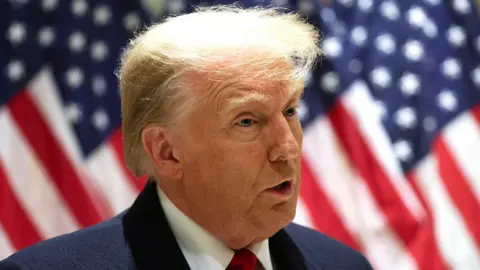
President Trump has taken the unusual step of urging Israeli President Isaac Herzog to pardon Prime Minister Benjamin Netanyahu in his ongoing corruption case. The president characterized the prosecution as politically motivated in a formal letter to the Israeli leader, marking continued American involvement in Middle Eastern political affairs. This intervention comes as Netanyahu faces unprecedented charges of bribery, fraud, and breach of trust, which he continues to deny.
Domestic Political Developments
In California, a former aide to Governor Gavin Newsom faces serious federal charges related to an alleged scheme to divert campaign funds. Dana Williamson, who served as Newsom's chief of staff until late 2024, has been indicted on 23 charges including bank fraud, wire fraud, and making false statements. According to the U.S. attorney's office, the scheme involved approximately $225,000 in funds from a dormant political campaign associated with former HHS Secretary Xavier Becerra.
Federal Reserve Leadership Changes
The Federal Reserve Bank of Atlanta will see leadership changes as President Raphael Bostic announces his retirement scheduled for February. This departure opens a crucial seat on the committee responsible for setting the nation's interest rates. The timing is significant as it coincides with President Trump's efforts to exert greater influence over central bank operations. While the Trump administration won't directly select Bostic's replacement, the Fed's board in Washington maintains veto power over the Atlanta Fed's choice.

Historic Currency Policy Shift
The U.S. Mint in Philadelphia has produced its final penny, marking the end of an era for the one-cent coin that has been part of American currency since 1793. President Trump ordered the cessation of penny production earlier this year, citing economic efficiency as the primary motivation. With production costs exceeding the coin's face value—approximately four cents to create each penny—the Treasury Department estimates savings of about $56 million from this policy change.
Economic and Practical Implications
The penny's discontinuation reflects changing economic realities and payment habits. Despite billions of pennies remaining in circulation, their practical use in modern transactions has diminished significantly. Some financial institutions and retailers have expressed concerns about the abrupt phase-out, reporting shortages of small change for cash transactions. This policy shift represents a broader trend toward digital payments and the elimination of inefficient currency production.

Conclusion
These developments collectively illustrate the interconnected nature of political and economic decision-making. From international diplomatic interventions to domestic accountability measures and significant economic policy adjustments, each event carries implications for governance structures and public trust. As these situations continue to evolve, they will likely influence broader policy discussions and institutional relationships both domestically and internationally.