Read on PBS News
Utah Court Adopts Democratic-Leaning Congressional Map in Redistricting Ruling
A Utah judge has rejected a Republican-drawn congressional map and adopted an alternative that creates a Democratic-leaning district, potentially giving Democrats their first congressional seat in the state since early 2021. The ruling by Judge Dianna Gibson found that the Legislature's proposed map 'unduly favors Republicans and disfavors Democrats,' marking a significant development in Utah's redistricting battle ahead of the 2026 midterm elections. This decision could impact the balance of power in the U.S. House of Representatives.
In a landmark ruling that could reshape Utah's political landscape, a state judge has rejected a Republican-drawn congressional map and adopted an alternative proposal creating a Democratic-leaning district. The decision by Judge Dianna Gibson represents a significant shift in a state where Republicans currently hold all four U.S. House seats and comes at a critical juncture ahead of the 2026 midterm elections.
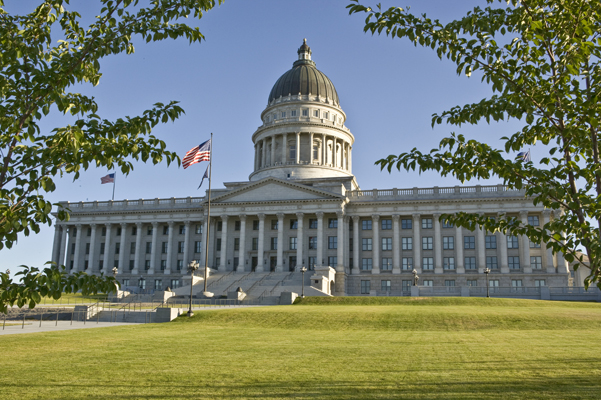
Judicial Ruling Overturns Republican Map
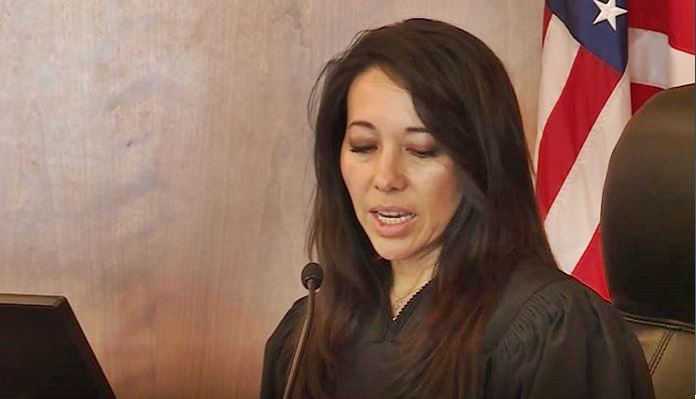
Judge Gibson ruled just before a midnight deadline on November 10, 2025, that the Legislature's new congressional map "unduly favors Republicans and disfavors Democrats." The judge had previously ordered lawmakers to draw a map that complies with anti-gerrymandering standards established by Utah voters, warning that failure to do so could result in her considering alternative maps submitted by plaintiffs in the lawsuit.
The ruling stems from Gibson's August decision to strike down Utah's existing congressional map, which was adopted after the 2020 census. The judge found that the Legislature had circumvented anti-gerrymandering standards passed by voters, leading to the current legal battle over district boundaries.
New Map Creates Democratic Opportunity
The newly adopted map, drawn by plaintiffs including the League of Women Voters of Utah and Mormon Women for Ethical Government, creates a fundamental shift in Utah's congressional representation. Rather than dividing Salt Lake County's heavily Democratic population center among all four districts, as was previously the case, the new map keeps the county almost entirely within one district.
This structural change gives Democrats a much stronger chance to flip a congressional seat in a state that has not had a Democrat in Congress since early 2021. The timing is particularly significant given that Democrats need to net only three U.S. House seats nationally to wrest control of the chamber from the GOP in the 2026 midterms.
Political Implications and Reactions
The ruling represents an unexpected development for Utah Republicans, who had expected to maintain their clean sweep of congressional seats while working to add winnable districts elsewhere in the country. State House and Senate Democrats issued a joint statement calling the decision "a win for every Utahn" and emphasizing that "fair representation is the truest measure" of their service promise.
However, the ruling has sparked controversy among Republican lawmakers. State Representative Matt MacPherson called Gibson's action a "gross abuse of power" and announced he has opened a bill to pursue impeachment proceedings against the judge. Republicans have argued that Gibson lacks legal authority to enact a map that wasn't approved by the Legislature.
National Redistricting Context
Utah's redistricting battle occurs within a broader national context where both parties are engaged in map-drawing strategies. The ruling provides an unexpected boost to Democrats, who have fewer opportunities to gain seats through redistricting compared to Republicans. The decision came on the latest possible date that Utah's top election official said would allow county clerks sufficient time to prepare for candidate filings for the 2026 midterms.
Judge Gibson defended her ruling by stating she has an obligation to ensure a lawful map is in place by the statutory deadline. The case highlights ongoing tensions between judicial oversight and legislative authority in redistricting processes across the United States.