Read on PBS News
Nicolas Sarkozy Released from Prison Pending Appeal in Campaign Finance Case
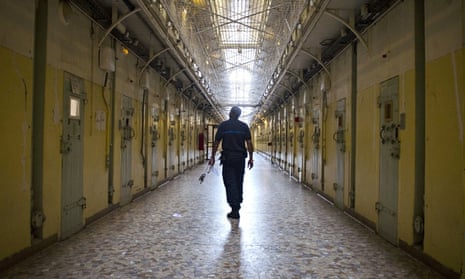
France's former President Nicolas Sarkozy has been released from La Santé prison after an appeals court granted him conditional freedom under judicial supervision. The 70-year-old former leader had served less than three weeks of his five-year sentence for criminal conspiracy related to alleged Libyan financing of his 2007 election campaign. The court imposed strict conditions including travel restrictions and prohibitions on contacting key individuals involved in the case as Sarkozy prepares for his appeal trial expected later this year.
France's former President Nicolas Sarkozy has been released from prison after serving less than three weeks of his five-year sentence, marking a significant development in the ongoing legal saga surrounding the former head of state. The Paris appeals court granted Sarkozy release under judicial supervision as he prepares to appeal his conviction for criminal conspiracy in a scheme allegedly involving Libyan financing of his 2007 presidential campaign.

Legal Proceedings and Release Conditions
The appeals court decision came after Sarkozy filed for early release following his incarceration on October 21, 2024. According to court proceedings reported by the Associated Press, the former president argued during the hearing that he had always met all justice requirements and described his prison experience as "hard, very hard." The court imposed strict conditions on his release, including a ban on leaving French territory and prohibitions against contacting co-defendants and witnesses in the case.
Historical Significance of the Case
Sarkozy's conviction and subsequent imprisonment marked a historic moment in French politics, making him the first former French head of state in modern times to be sent to prison. His initial conviction on September 25, 2024, stemmed from allegations that he participated in a criminal conspiracy to finance his 2007 election campaign with funds from Libya under the rule of Moammar Gadhafi. Throughout the proceedings, Sarkozy has maintained his innocence, stating during the release hearing that he "will never admit something I didn't do."
Judicial Supervision Requirements
Under the terms of his release, Sarkozy faces significant restrictions while awaiting his appeal trial. The court specifically banned him from contacting Justice Minister Gérald Darmanin, a rare decision that followed criticism from French magistrates about Darmanin's prison visit to Sarkozy last month. This prohibition underscores concerns about maintaining judicial independence in the high-profile case. French law generally favors release pending appeal, with detention reserved for individuals considered dangerous or at risk of fleeing.
Ongoing Legal Challenges
The campaign finance conspiracy case represents just one of several legal challenges facing the former president. Sarkozy faces separate proceedings, including a November 26 ruling by France's highest court regarding illegal financing of his failed 2012 reelection bid. Additionally, an ongoing investigation continues into alleged witness tampering in the Libya case. These multiple legal fronts highlight the complex legal landscape the former president navigates as he maintains his innocence across all allegations.
Appeal Process and Future Proceedings
The appeals trial for the conspiracy conviction is expected to take place later, potentially in the spring of 2025. Sarkozy's legal team, led by lawyer Christophe Ingrain, praised the court's decision as a "normal implementation of law" while emphasizing their focus on preparing for the upcoming appeal trial. The case continues to draw significant public and media attention, reflecting both the historical nature of prosecuting a former president and the serious nature of the allegations involving foreign interference in French democratic processes.