 Read on cbsnews.com
Government Shutdown Reaches Day 40 as Senate Holds Rare Sunday Session
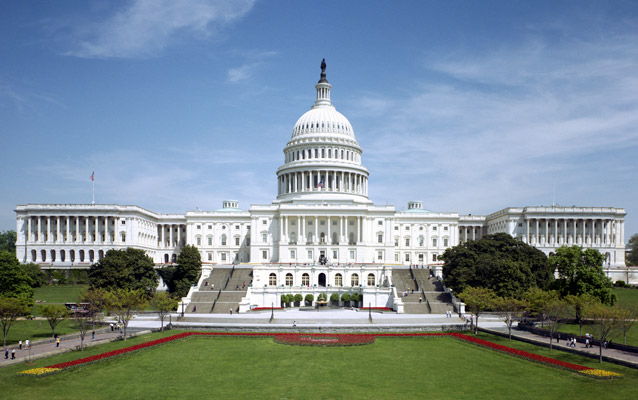
The federal government shutdown has entered its 40th day as senators returned to Capitol Hill for a rare Sunday session aimed at ending the political stalemate. Senate Majority Leader John Thune has indicated plans for votes on a funding package that includes three long-term appropriations bills, though Democratic support remains uncertain. The extended shutdown continues to impact air travel, federal workers, and critical nutrition programs as both parties remain divided over healthcare policy demands.
The United States government shutdown has reached its 40th day, marking one of the longest federal funding lapses in modern history as senators returned to Capitol Hill for a rare Sunday session aimed at breaking the political impasse. Senate Majority Leader John Thune told reporters that Republicans plan to hold votes on a comprehensive funding package, though the path to securing the necessary Democratic support remains uncertain amid ongoing disagreements over healthcare policy.
Republican Strategy for Ending the Shutdown
Senate Republicans are pursuing a multi-pronged approach to reopen the government, centered around what's known as a "minibus" package of three long-term funding bills. According to CBS News reports, appropriators released the text of these bills on Sunday, covering military construction and Veterans Affairs, the FDA and Department of Agriculture, and the legislative branch. The strategy involves voting to advance the House-passed continuing resolution and amending it to include these full-year funding measures along with a longer government funding extension.
Democratic Position and Healthcare Demands
Senate Democrats gathered for a caucus meeting Sunday evening to discuss their stance on the Republican proposal. The party has demanded concessions on healthcare policy, specifically seeking an extension of Affordable Care Act tax credits. Senate Minority Leader Chuck Schumer had previously proposed a compromise that would reopen the government in exchange for a one-year extension of current ACA premium tax credits, followed by negotiations on broader healthcare issues. However, Republicans quickly rejected this offer, with Thune calling it a "nonstarter" and insisting that healthcare negotiations should only occur after the government reopens.

Economic and Public Impact
The extended shutdown is having significant consequences across multiple sectors of the economy. Kevin Hassett, Director of the National Economic Council, warned that the U.S. economy could see a "negative quarter" if the shutdown continues through the Thanksgiving holiday period. He noted that Goldman Sachs estimates the shutdown has already reduced GDP by about 1.5%, with potential for greater impact due to air travel disruptions during one of the busiest travel periods of the year. Thousands of flights have been canceled or delayed as air traffic control staffing issues compound the situation.
Nutrition Program Controversy
The shutdown has also affected critical nutrition assistance programs. Supreme Court Justice Ketanji Brown Jackson temporarily froze a lower court order that required the Trump administration to provide full SNAP payments for November. This intervention came as the administration faced a deadline to cover food assistance for approximately 42 million Americans. The legal battle over nutrition benefits highlights the broader impact of the funding lapse on vulnerable populations who depend on federal assistance programs.

Political Dynamics and Path Forward
Republican Senator James Lankford emphasized the urgency of resolving the shutdown before Thanksgiving, stating that the government "absolutely needs" to be open by the holiday. However, he maintained that Republicans should not eliminate the filibuster, despite President Trump's calls to do so. The president has also weighed in on healthcare policy, urging Senate Republicans to end the Affordable Care Act entirely and redirect funds from insurance companies directly to American citizens. As negotiations continue, the rare Sunday session represents one of the few times the Senate has convened on a weekend this year, underscoring the seriousness of the ongoing government funding crisis.