Read on PBS News
Examining Claims About Mail-In Voting and Election Integrity
This analysis explores the ongoing debate surrounding mail-in voting and allegations of voter fraud. Drawing from recent fact-checking reports and legal proceedings, we examine the evidence behind claims that mail-in voting systems are vulnerable to widespread fraud. The article covers California's voting procedures, federal oversight actions, and the broader context of election security measures implemented across states to protect voting integrity.
The debate over mail-in voting continues to shape political discourse, with allegations of voter fraud frequently surfacing during election cycles. This examination of mail-in voting procedures and security measures provides context for understanding how states maintain election integrity while expanding voting access.
Mail-In Voting Procedures and Security
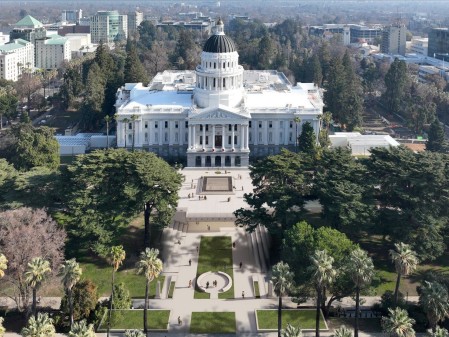
California, like several other states, employs universal mail-in balloting where ballots are sent to all active registered voters. The state has implemented multiple security measures to verify mailed ballots and protect against tampering. According to the California Secretary of State, vote-by-mail ballots require signatures that must match those on file with election offices, and counties must establish procedures to track and confirm ballot receipt through online systems or toll-free numbers.
Federal Oversight and Legal Challenges
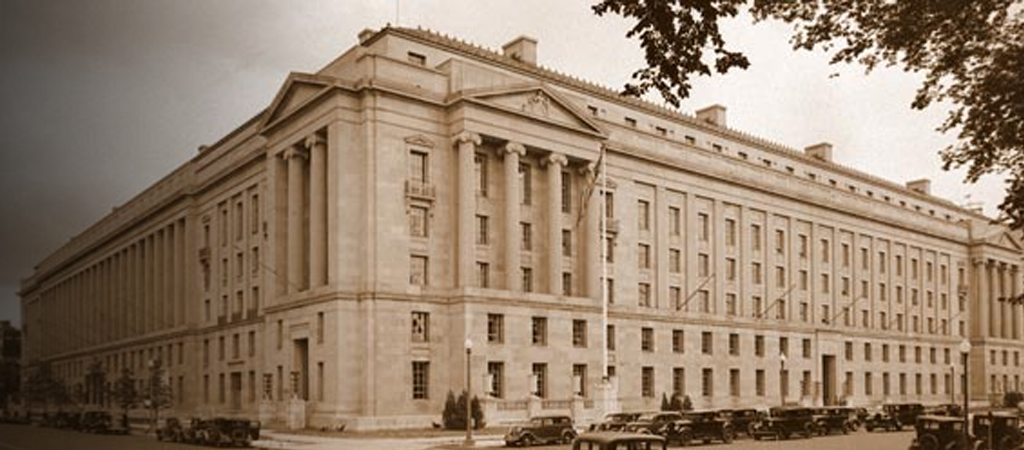
The Department of Justice has taken legal action regarding voter registration data in multiple states, including California. In a recent lawsuit, the DOJ sought information about non-citizens in Orange County's voter rolls after discovering 17 non-citizens were registered to vote. However, the lawsuit did not allege that any non-citizens actually voted in federal elections, highlighting the distinction between registration errors and actual voter fraud.
Historical Context and Commission Findings
Claims about mail-in voting vulnerability often reference the 2005 Carter-Baker Commission report, which noted that absentee ballots represented the largest source of potential voter fraud. However, former President Jimmy Carter later clarified that vote-by-mail practices have significantly progressed since the report's publication. Multiple government and independent analyses have consistently found that voter fraud remains rare across all voting methods, including mail-in ballots.
State Authority in Election Administration
The Constitution grants states primary authority over how they conduct elections, creating a decentralized system where procedures vary significantly. While federal law prohibits non-citizens from voting in federal elections, some municipalities like San Francisco allow non-citizen voting in specific local elections such as school board races. This layered approach reflects the complex balance between local control and federal oversight in American elections.

As election systems continue to evolve, the ongoing dialogue about mail-in voting reflects broader questions about access, security, and public confidence in democratic processes. While isolated incidents of voting irregularities do occur, multiple studies and election audits consistently demonstrate that systemic voter fraud remains exceptionally rare in American elections across all voting methods.