Read on Global News
Humanitarian Planes Allegedly Transporting Weapons to Sudan Conflict
Human rights groups allege that planes intended for humanitarian aid delivery from the UAE to Sudan are regularly transporting weapons instead, potentially including Canadian-made arms. As Prime Minister Mark Carney prepares to visit the UAE, advocates are calling for stronger action to prevent arms diversion to the Rapid Support Forces militia, which stands accused of committing atrocities and ethnic violence in Sudan's ongoing civil war. The conflict has created the world's largest displacement crisis with over 30 million people in desperate need of aid.
Recent allegations from human rights organizations suggest that aircraft designated for humanitarian aid missions from the United Arab Emirates to Sudan are being systematically repurposed for weapons transport. These claims emerge as Canadian Prime Minister Mark Carney prepares for an official visit to the UAE, prompting calls for immediate action to address potential arms diversion to conflict zones.
The Allegations and Evidence
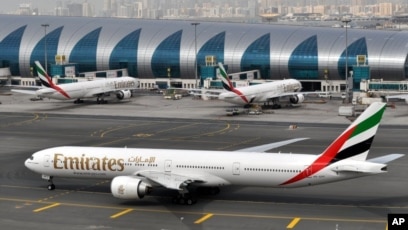
Multiple human rights groups maintain that planes intended to carry humanitarian assistance from the UAE to Sudan are regularly delivering weapons instead. According to reports cited by The Canadian Press, some organizations believe these shipments may include Canadian-made arms and components. The United Nations Panel of Experts on Sudan has deemed these reports "credible," despite the UAE government's repeated denials of arming the Rapid Support Forces militia.
Canadian Connection and Export Concerns
Canadian arms exports to the UAE totaled $7 million last year, raising concerns about potential diversion to conflict zones. Martin Fischer, policy director at World Vision Canada, emphasized that "Canadian-made weapons and components are fuelling conflict in Sudan" and called for stronger export controls. Advocacy groups including Canadians for Justice and Peace in the Middle East have urged Ottawa to halt all arms exports to the UAE to prevent further diversion to Sudan.

The Sudan Conflict Context
The civil war between Sudan's army and the Rapid Support Forces erupted in April 2023, with the RSF succeeding the Janjaweed militia responsible for the first Darfur genocide between 2003 and 2005. Both warring parties have blocked humanitarian aid entry, creating what the World Health Organization describes as the world's largest displacement crisis. The conflict has left more than 30 million people in desperate need of assistance, including 16 million children.
International Response and Canadian Position
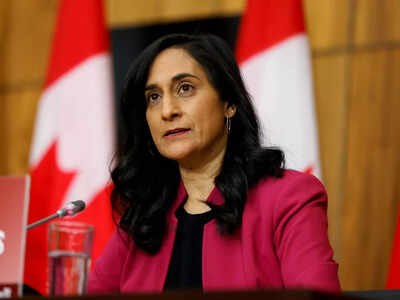
Foreign Affairs Minister Anita Anand has stated that Canada is "horrified by the attacks in el Fasher" and condemns the reported mass killing of over 2,000 civilians. However, the Canadian government has maintained that its arms export control system is "world-renowned" and closely monitored. Anand's office confirmed they are examining claims about Canadian arms reaching Sudan, while the minister plans to visit the Gulf region in early 2026.
Calls for Action and Policy Changes
Human rights advocates argue that Canada should work with international allies to pressure both sides in the conflict to allow humanitarian access and consider tightening export laws to prevent arms diversion. NDP MP Heather McPherson has been particularly vocal, stating that "Canada's inaction has helped to fuel these war crimes" and that immediate action is necessary. The situation presents a critical test for Canada's foreign policy values and arms export controls as the government balances international relationships with human rights obligations.