Read on PBS News
House Speaker Johnson Responds to Trump's Filibuster Demand Amid Government Shutdown
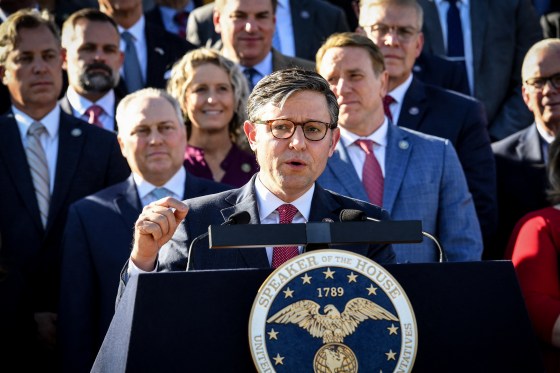
House Speaker Mike Johnson revealed he communicated with former President Donald Trump following Trump's late-night demand to change Senate filibuster rules to end the ongoing government shutdown. During his daily press conference at the Capitol on day 31 of the shutdown, Johnson declined to publicly endorse Trump's position, stating 'It's not my call' regarding the deeply divisive issue among senators. The development comes as Agriculture Secretary Brooke Rollins warned that SNAP food aid benefits could be cut off, blaming Democrats for what she called a 'disgusting dereliction of duty' in the budget standoff.
House Speaker Mike Johnson has confirmed that he engaged in direct communication with former President Donald Trump following Trump's late-night demand to change Senate rules to resolve the ongoing government shutdown. The revelation came during Johnson's daily press conference at the Capitol on the 31st day of the budgetary impasse that has paralyzed Washington and affected millions of Americans.
The Filibuster Controversy
Trump's demand centers on what's known as the 'nuclear option' - a procedural maneuver that would eliminate the filibuster requirement in the Senate, allowing legislation to pass with a simple majority rather than the usual 60-vote threshold. This controversial approach has deeply divided Senate Republicans, creating significant tension within the party as they grapple with how to end the shutdown.
When pressed by reporters about Trump's position, Johnson maintained a cautious stance, telling journalists that the decision ultimately rests with Senate leadership. 'It's not my call,' Johnson stated, carefully avoiding direct endorsement or rejection of Trump's proposal. This diplomatic response reflects the complex political dynamics at play, with the House Speaker navigating between Trump's influence and the Senate's institutional traditions.
Broader Shutdown Implications
The government shutdown has reached critical stages, with Agriculture Secretary Brooke Rollins warning that SNAP food assistance benefits face potential suspension. During the same press conference with Johnson, Rollins revealed that her department lacks the authority to release contingency funds that would prevent the cutoff of nutritional assistance to millions of Americans.
Rollins placed responsibility squarely on Democratic lawmakers, accusing them of what she termed a 'disgusting dereliction of duty' for refusing to reopen government operations without securing additional healthcare funding. Her comments highlight the escalating rhetoric as both sides dig in their positions, with vulnerable populations caught in the political crossfire.
Political Standoff Intensifies
The ongoing shutdown represents one of the longest in recent history, with no immediate resolution in sight. Johnson's revelation of his communication with Trump underscores the former president's continued influence in Republican politics, even as current party leadership attempts to navigate the crisis. The situation has prompted legal action, with a lawsuit now pending to compel the administration to release SNAP funds.
As the stalemate continues, both parties appear entrenched in their positions. Democrats maintain their demand for healthcare funding provisions, while Republicans seek alternative approaches to reopening government operations. Johnson's careful navigation of Trump's filibuster demand demonstrates the delicate balance required in managing intra-party relationships during high-stakes political negotiations.
The shutdown's impact extends beyond Washington, affecting federal workers, government services, and social program beneficiaries across the country. With both sides showing little sign of compromise, the path forward remains uncertain, though the involvement of figures like Trump suggests that external political pressures may increasingly influence the resolution process.