Read on PBS News
Appeals Court Blocks Judge's Order for Daily Border Patrol Briefings in Chicago
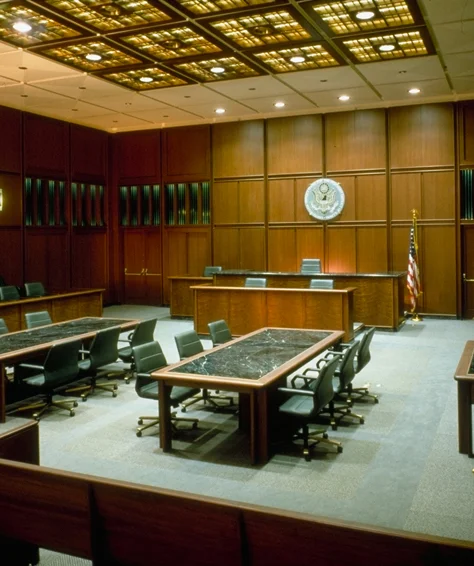
A federal appeals court has intervened to block an unprecedented judicial order requiring senior Border Patrol official Greg Bovino to provide daily briefings about immigration enforcement operations in Chicago. The 7th U.S. Circuit Court of Appeals issued a one-page suspension just hours before Bovino's first scheduled meeting with U.S. District Judge Sara Ellis, who had ordered the daily check-ins amid concerns about aggressive tactics and excessive force during Operation Midway Blitz.
A federal appeals court has intervened in a high-stakes legal battle over immigration enforcement in Chicago, blocking a judge's unprecedented order that would have required daily judicial oversight of Border Patrol operations. The 7th U.S. Circuit Court of Appeals issued a one-page suspension on Wednesday, just hours before senior Border Patrol official Greg Bovino was scheduled to begin providing daily briefings to U.S. District Judge Sara Ellis about immigration sweeps in the city.
Background of the Legal Dispute
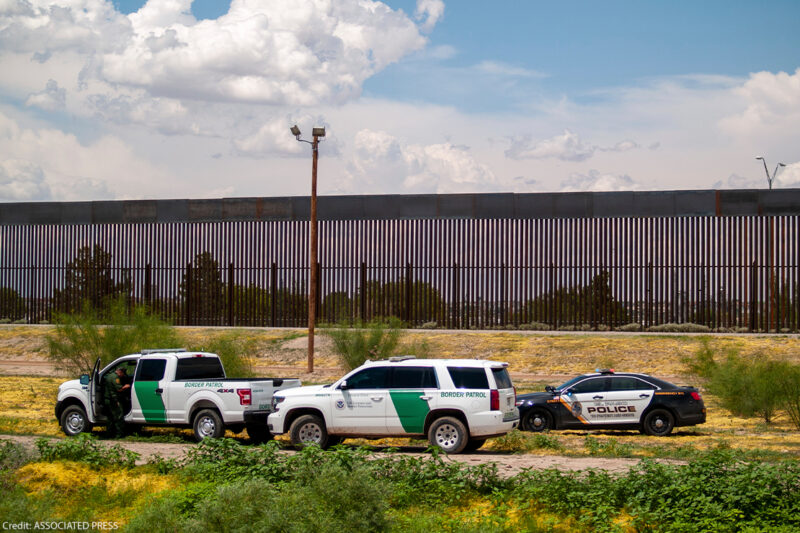
The legal confrontation stems from Operation Midway Blitz, an immigration enforcement initiative that has resulted in more than 1,800 arrests in the Chicago area. Judge Ellis ordered the daily meetings on Tuesday following weeks of escalating tensions and what she described as increasingly aggressive tactics by government agents. The order came in response to a lawsuit filed by news outlets and activists alleging excessive force by federal agents during enforcement actions.
Judge's Concerns About Public Safety
Judge Ellis expressed particular concern about the use of tear gas in residential neighborhoods, especially with Halloween approaching. "Halloween is on Friday," the judge stated during Tuesday's hearing. "I do not want to get violation reports from the plaintiffs that show that agents are out and about on Halloween, where kids are present and tear gas is being deployed." The judge had previously ordered agents to wear badges and banned certain riot control techniques against peaceful protesters and journalists.
Government's Legal Challenge
The Justice Department immediately appealed Judge Ellis's decision, calling it "extraordinarily disruptive" to immigration enforcement operations. Government lawyers argued that the order "significantly interferes with the quintessentially executive function of ensuring the Nation's immigration laws are properly enforced by waylaying a senior executive official critical to that mission on a daily basis." The appeals court's intervention came before Bovino's first scheduled 5:45 p.m. meeting with Judge Ellis at the downtown Chicago courthouse.
Border Patrol Official's Response
Greg Bovino, who serves as chief of the Border Patrol sector in El Centro, California, told Fox News that he was eager to meet with Judge Ellis despite the legal challenge. "If she wants to meet with me every day, then she's going to see, she's going to have a very good firsthand look at just how bad things really are on the streets of Chicago," Bovino said. "I look forward to meeting with that judge to show her exactly what's happening and the extreme amount of violence perpetrated against law enforcement here."
Broader Legal Context
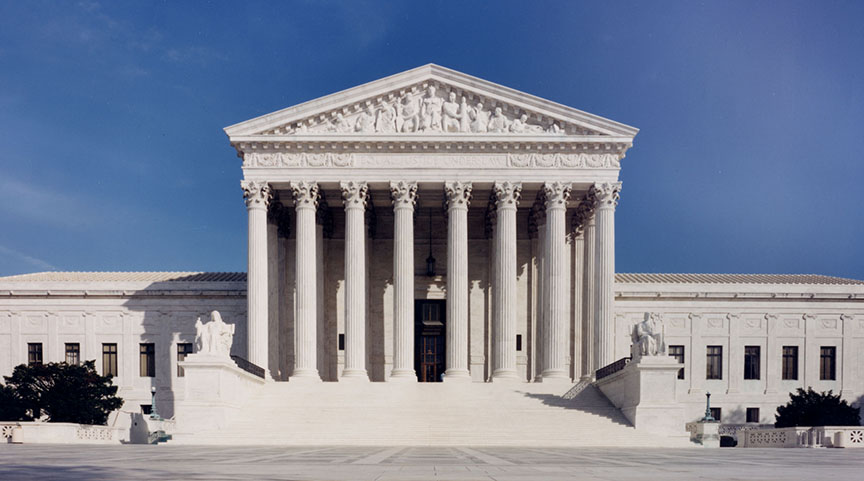
The Chicago case is part of a broader national pattern of legal challenges to federal immigration enforcement tactics. Similar lawsuits have been filed across the country seeking to restrict deployments of National Guard troops for immigration enforcement. In a related development, the U.S. Supreme Court has indicated it will not act before November 17 on the administration's emergency appeal regarding troop deployments in the Chicago area.
Next Steps in the Legal Process
Lawyers representing news outlets and activists in the lawsuit have until 5 p.m. Thursday to respond to the government's appeal in the 7th Circuit. Despite the appeals court's intervention, Bovino must still sit for a videotaped deposition on Thursday with lawyers from both sides. Judge Ellis had also ordered Bovino to produce all use-of-force reports since September 2 from agents involved in Operation Midway Blitz and set a Friday deadline for agents to complete body camera training.
The legal standoff highlights the ongoing tension between judicial oversight and executive authority in immigration enforcement, with significant implications for how federal agencies conduct operations in urban areas. The appeals court's decision to block the daily briefings represents a significant victory for the administration's position on executive discretion in immigration matters.