2025 in Review: The Tech and Politics Stories That Defined a Turbulent Year
As 2025 draws to a close, the intersection of technology and politics has never been more consequential. From the explosive growth of AI data centers reshaping the global economy to the controversial Department of Government Efficiency (DOGE) transforming federal operations, this year witnessed unprecedented developments. The rise of Chinese AI models, the evolution of AI relationships, and ongoing controversies surrounding immigration surveillance and the Jeffrey Epstein files further defined the landscape. This analysis examines the five key stories that not only encapsulated 2025 but also provide crucial insights into what 2026 may hold for technology, governance, and society.
As we reflect on 2025, the convergence of technology and politics has created a landscape of unprecedented transformation and controversy. This year witnessed artificial intelligence moving from theoretical promise to tangible economic force, while political developments reshaped government operations and international relations. The stories that dominated headlines reveal not just what happened, but provide critical clues about the trajectory of 2026. From data center booms to government efficiency initiatives, these developments have set the stage for significant changes in how technology influences society and governance.
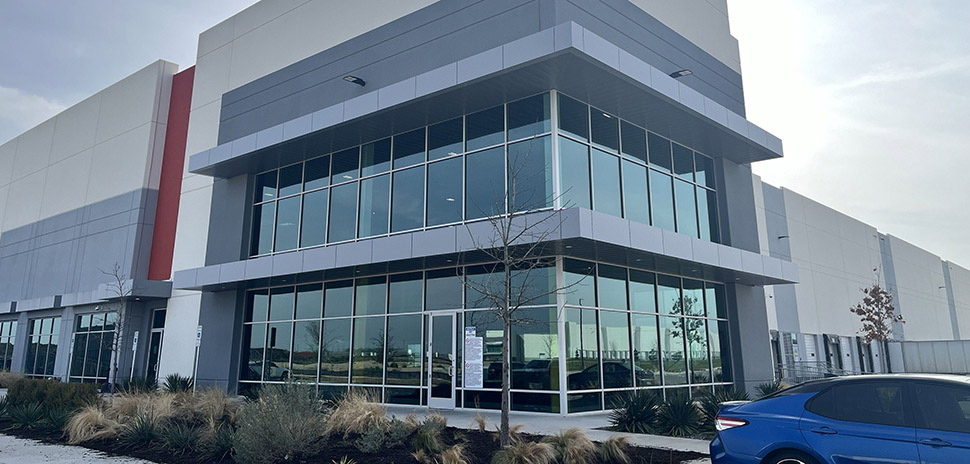
The AI Data Center Boom and Economic Implications
The massive investment in AI infrastructure has become the defining economic story of 2025. Companies like Meta, Google, and Microsoft have tripled down on data center spending, creating what some analysts describe as a potential bubble. The staggering scale of these investments—with 60% of data center costs going toward GPUs that need replacement every three years—has raised concerns about long-term sustainability. As reported in WIRED's analysis, these facilities are not just technological investments but economic forces reshaping local communities and national economies.
What makes this development particularly significant is its political dimension. Many data centers are being built in politically conservative regions where they're heralded as economic saviors. However, the reality is more complex: while thousands of workers are needed during construction, far fewer are required for ongoing maintenance. This creates a potential political time bomb as communities realize the promised long-term employment benefits may not materialize. Additionally, the environmental impact—particularly water consumption for cooling and massive energy requirements—is creating growing local opposition that could reshape the industry's geographic distribution in coming years.
The Rise of Chinese AI and Global Competition
The release of DeepSeek's R1 model in January 2025 marked a watershed moment in global AI competition. This Chinese-developed open-weight model demonstrated capabilities competitive with leading Western alternatives, causing significant market reactions including Nvidia's historic single-day loss of nearly $600 billion in market capitalization. The strategic importance of this development extends beyond technical capabilities to fundamental questions about AI development philosophy and international competition.

China's commitment to open-weight AI models represents a strategic divergence from the increasingly proprietary approach of many U.S. companies. Even Meta, previously a champion of open-source AI, has signaled that future models may be proprietary. This creates a fascinating dynamic where China potentially gains access to a global research community through open models, while U.S. companies may be repeating training runs and research efforts that could be shared. The implications for technological leadership and innovation ecosystems will likely define AI competition through 2026 and beyond.
The Department of Government Efficiency (DOGE)
Perhaps the most controversial political development of 2025 was the creation and implementation of the Department of Government Efficiency (DOGE). Initiated through collaboration between Elon Musk and the Trump administration, DOGE represented an unprecedented private-sector intervention in federal government operations. The initiative saw Musk allies taking control of key agencies including the Office of Personnel Management and General Services Administration, with stated goals of eliminating fraud, waste, and abuse while cutting government spending.
The practical implementation proved more complex than the ambitious rhetoric. Despite aiming to cut a trillion dollars from the federal budget—a target mathematically impossible without touching entitlement programs—DOGE's most tangible impacts have been workforce reductions and operational changes. Approximately 300,000 federal workers have left government service, with agencies like the CDC experiencing approximately 25% staff reductions. Perhaps most significantly, DOGE initiatives have enabled unprecedented data sharing across government agencies, particularly supporting immigration enforcement efforts through the integration of previously separate data systems.
Immigration Surveillance and Data Integration
Building on DOGE's data integration initiatives, 2025 witnessed a significant expansion of immigration surveillance capabilities. The Trump administration's executive order targeting "data silos" has enabled unprecedented integration of information across Social Security, tax, homeland security, and other government databases. This consolidated data approach provides Immigration and Customs Enforcement (ICE) with surveillance tools far beyond historical capabilities.
The implications extend beyond immigration enforcement to fundamental questions about privacy and government data practices. By combining previously separate data streams, the government has created tracking capabilities that affect all citizens, not just immigrants. This represents a permanent transformation in how citizen data is managed and accessed, with implications that will likely extend through 2026 and beyond as these integrated systems become institutionalized.
The Jeffrey Epstein Saga and Political Consequences
The ongoing Jeffrey Epstein controversy reached new political significance in 2025, particularly around promised document releases and video evidence. The Trump administration's shifting position on releasing the so-called "Epstein files"—from campaign promise to apparent reluctance—created political tensions even within the MAGA movement. The release of edited surveillance video from Epstein's final moments, with approximately three minutes missing despite claims of being unedited, further fueled conspiracy theories and political controversy.
This development highlights broader challenges around truth and evidence in contemporary politics. As partial document releases have failed to satisfy any constituency, the episode demonstrates how complex narratives can become polarized beyond resolution through conventional evidence. The political consequences may extend into 2026, particularly as midterm elections approach and this issue remains unresolved for many voters.
Looking Toward 2026
The stories that defined 2025 provide clear indicators for what to expect in the coming year. The AI data center boom appears to have at least another year of growth before potential economic corrections, while political opposition to these facilities will likely increase as local communities experience their impacts more directly. Chinese AI advancement will continue challenging U.S. technological leadership, particularly in open-model development. DOGE's legacy will manifest through ongoing government transformation and data integration, while immigration policies will continue evolving based on enhanced surveillance capabilities.
Perhaps most importantly, 2025 demonstrated how thoroughly technology and politics have become intertwined. AI development is no longer just a technical challenge but an economic and geopolitical one. Government efficiency is no longer just a bureaucratic concern but a question of private-sector influence and data governance. As we move into 2026, these intersections will likely become even more pronounced, creating both challenges and opportunities for innovation, governance, and society.