Bananas May Sabotage Your Smoothie's Health Benefits, Study Finds
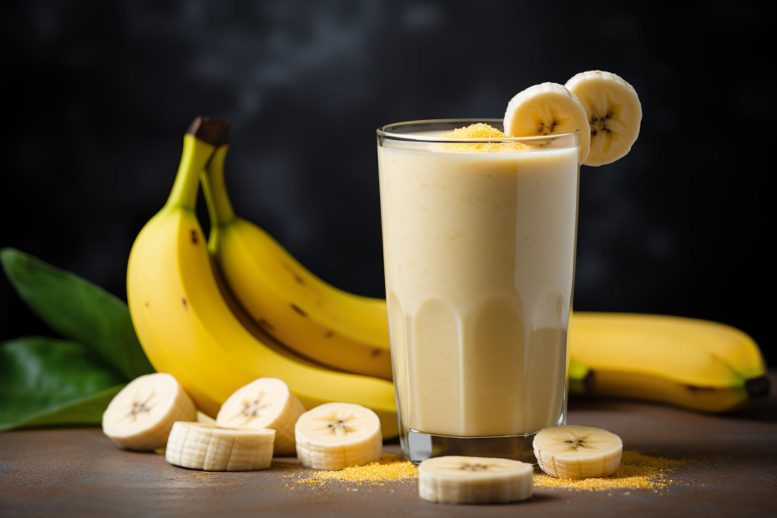
New research from UC Davis reveals that adding bananas to smoothies can reduce flavanol absorption by up to 84%. The culprit is polyphenol oxidase (PPO), an enzyme in bananas that interferes with the bioavailability of these heart-healthy compounds. While bananas remain nutritious, the study suggests choosing low-PPO fruits like berries or pineapple when combining with flavanol-rich ingredients to maximize nutritional benefits.
Recent scientific findings challenge conventional wisdom about smoothie preparation, revealing that one of the most popular smoothie ingredients may be undermining the very health benefits consumers seek. According to groundbreaking research from the University of California, Davis, the simple addition of a banana to your smoothie could significantly diminish your body's ability to absorb crucial heart-healthy compounds.
The Science Behind the Smoothie Sabotage
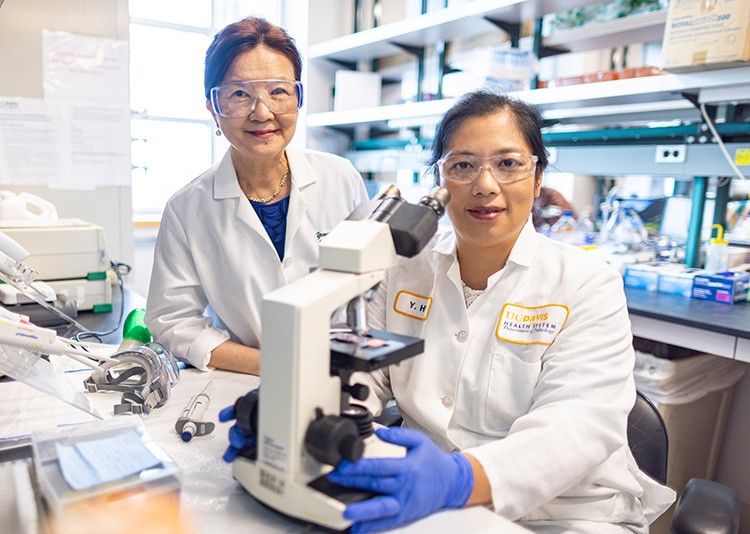
The research, published in the Royal Society of Chemistry's journal Food and Function, identifies polyphenol oxidase (PPO) as the primary culprit. This naturally occurring enzyme, abundant in bananas, interferes with flavanol availability when fruits are blended together. Flavanols are powerful bioactive compounds linked to improved cardiovascular and cognitive health, found in foods like apples, pears, blueberries, blackberries, grapes, and cocoa.
Lead researcher Javier Ottaviani, director of the Core Laboratory of Mars Edge and adjunct researcher at UC Davis, explained the practical implications of their findings. "We sought to understand, on a very practical level, how a common food and food preparation like a banana-based smoothie could affect the availability of flavanols to be absorbed after intake," he stated in the study published by ScienceDaily.

Experimental Evidence: Banana vs. Berry Smoothies
The UC Davis team conducted controlled experiments comparing smoothies made with bananas (high PPO activity) against those made with mixed berries (low PPO activity). Participants consumed both types of smoothies along with a flavanol capsule for comparison. Subsequent analysis of blood and urine samples revealed dramatic differences in flavanol absorption.
The results showed that people who drank the banana smoothie had 84% lower flavanol levels compared to those who took the control capsule. Ottaviani expressed surprise at the magnitude of the effect, noting, "We were really surprised to see how quickly adding a single banana decreased the level of flavanols in the smoothie and the levels of flavanol absorbed in the body."
Practical Implications for Smoothie Lovers
This research has significant implications for individuals who rely on smoothies as part of their daily nutrition routine. The Academy of Nutrition and Dietetics recommends consuming 400 to 600 milligrams of flavanols daily for cardiometabolic health. For those aiming to meet this target through smoothies, ingredient selection becomes crucial.
Ottaviani advises that when preparing smoothies with flavanol-rich ingredients like berries, grapes, or cocoa, it's best to avoid combining them with high-PPO foods like bananas. Instead, he recommends pairing flavanol-rich fruits with low-PPO alternatives such as pineapple, oranges, mango, or yogurt. This simple adjustment can help preserve the nutritional benefits that make smoothies such an attractive health option.
Broader Implications for Food Preparation
The UC Davis findings extend beyond smoothies, highlighting how food preparation methods can significantly impact nutrient bioavailability. The same PPO enzyme responsible for fruit browning when apples or bananas are cut also affects how our bodies absorb beneficial compounds when these foods are combined in various preparations.
This research opens new avenues for investigating how different food preparation techniques affect nutrient absorption across various dietary contexts. As Ottaviani noted, "This is certainly an area that deserves more attention in the field of polyphenols and bioactive compounds in general."
While bananas remain a nutritious fruit offering their own health benefits, this research provides valuable guidance for maximizing the nutritional value of smoothie combinations. By being mindful of ingredient pairings, health-conscious consumers can ensure they're getting the full benefits of the flavanol-rich foods they incorporate into their diets.