Read on PBS News
Trump Threatens Additional 10% Tariff on Canadian Goods Over Ontario's Anti-Tariff Ad
President Donald Trump announced plans to impose an additional 10% tariff on Canadian imports following an anti-tariff television advertisement aired by Ontario province. The ad, which ran during the World Series, used former President Ronald Reagan's words to criticize U.S. tariffs, prompting Trump to threaten ending trade talks with Canada. The escalation comes amid ongoing trade tensions between the two nations, with Canada's economy already facing significant impact from existing tariffs.
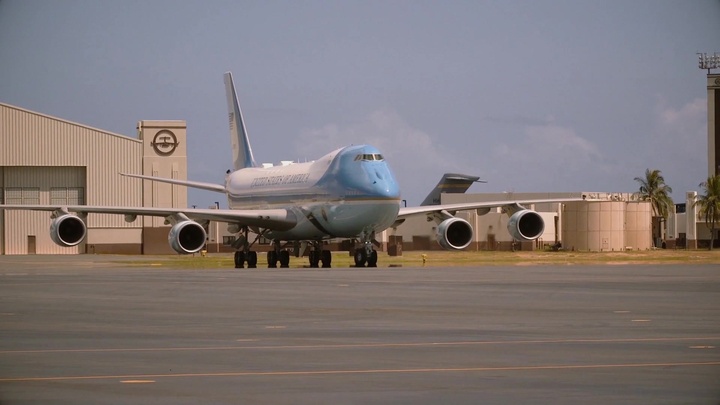
President Donald Trump's announcement of an additional 10% tariff on Canadian imports represents a significant escalation in trade tensions between the United States and its northern neighbor. The decision, made public during Trump's flight to Malaysia aboard Air Force One, came in direct response to an anti-tariff television advertisement aired by the province of Ontario that used former President Ronald Reagan's words to criticize U.S. trade policies.
The Provocative Advertisement
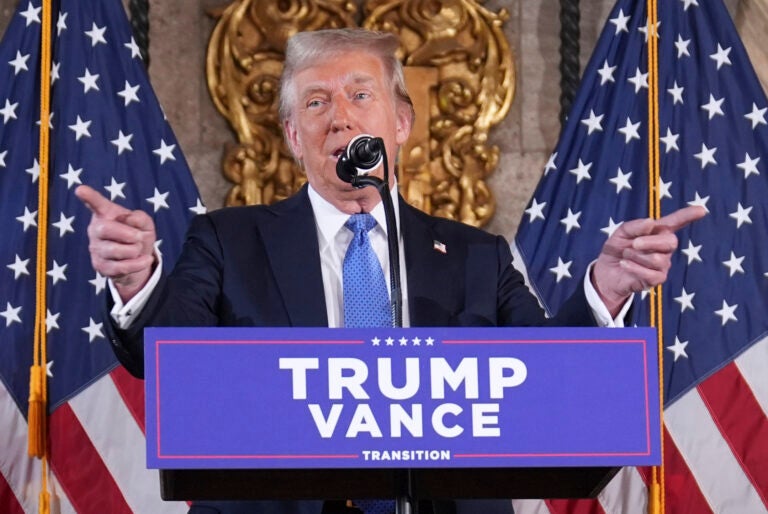
The controversy centers around an advertisement produced by Ontario province that featured excerpts from a 1987 address by former President Ronald Reagan, making the case against tariffs. According to reports from PBS NewsHour, the ad ran during the first game of the World Series on Friday night, despite Ontario Premier Doug Ford's commitment to remove it. Trump expressed particular outrage that the advertisement continued to air during such a high-profile sporting event.
Trump's Response and Trade Implications
In his statement on Truth Social, Trump characterized the advertisement as a "FRAUD" and accused Canadian officials of serious misrepresentation of facts. His threat to increase tariffs by an additional 10% comes on top of existing tariffs that have already significantly impacted Canadian exports. The announcement raises questions about the legal authority Trump would use to impose these additional import taxes, as the White House has not provided details on implementation timing or which specific goods would be affected.
Broader Trade Context
The trade relationship between the United States and Canada represents one of the world's most significant economic partnerships. More than three-quarters of Canadian exports are destined for U.S. markets, with nearly $3.6 billion Canadian ($2.7 billion U.S.) worth of goods and services crossing the border daily. Existing tariffs have already placed substantial pressure on the Canadian economy, with many products facing 35% tariffs and steel and aluminum products subjected to 50% rates.
Political and Diplomatic Fallout
The timing of Trump's announcement adds complexity to an already strained diplomatic relationship. Both Trump and Canadian Prime Minister Mark Carney were scheduled to attend the Association of Southeast Asian Nations summit in Malaysia, but Trump told reporters he had no intention of meeting with Carney during the event. This development threatens to derail ongoing trade negotiations between the two countries and represents a significant setback for Carney's efforts to work with Trump to lower existing tariffs.
The escalating trade dispute highlights the fragile nature of international trade relationships and the potential for political tensions to quickly translate into economic consequences. As both nations navigate this latest challenge, the outcome will have significant implications for businesses and consumers on both sides of the border who depend on the stable flow of goods and services between the two countries.