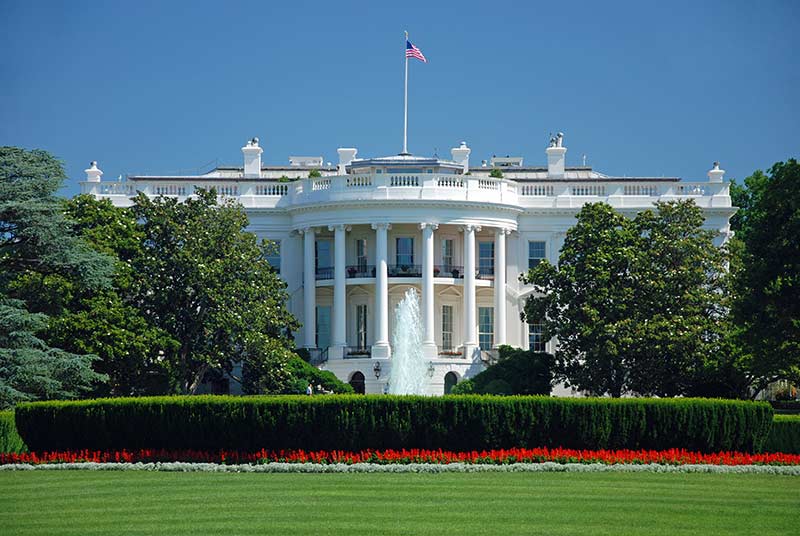
President Trump's Diplomatic Stop in Qatar During Asia Trade Mission
President Donald Trump conducted a diplomatic meeting with Qatari leadership aboard Air Force One during a refueling stop en route to Asia for crucial trade negotiations. The impromptu meeting with Emir Tamim bin Hamad Al Thani and Prime Minister Sheikh Mohammed bin Abdulrahman Al Thani occurred as the president embarked on a multi-nation tour focused on trade deals and regional peace efforts. This strategic stop highlighted Qatar's growing role as a Middle Eastern intermediary and valuable U.S. ally during complex international negotiations.
President Donald Trump's Asia-bound diplomatic mission included a significant diplomatic engagement during a refueling stop in Qatar, where he met with the country's top leadership aboard Air Force One. This strategic meeting occurred as the president embarked on a comprehensive three-country tour across Asia, focused primarily on trade negotiations and regional peace efforts that would shape international economic relations.
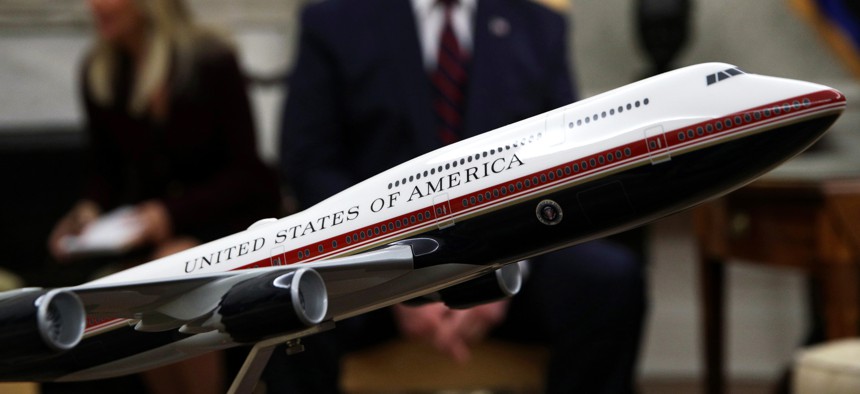
Qatar Refueling Stop Diplomacy
The meeting with Qatari leadership represented a carefully orchestrated diplomatic opportunity during what would otherwise be routine travel logistics. Emir Tamim bin Hamad Al Thani demonstrated the importance placed on U.S.-Qatar relations by personally requesting the meeting upon learning of the president's planned stop. The discussions aboard Air Force One included Prime Minister Sheikh Mohammed bin Abdulrahman Al Thani, highlighting the significance both nations placed on maintaining strong bilateral ties during critical international negotiations.
President Trump specifically acknowledged Qatar's contributions to Middle Eastern stability, thanking the leaders for their role in bringing "peace to the Middle East" and characterizing the nation as a "great ally." This recognition came particularly in reference to Qatar's service as intermediaries during the Israel-Hamas peace negotiations, underscoring the country's growing importance as a diplomatic bridge in regional conflicts.

Asia Trade Mission Objectives
The primary purpose of President Trump's Asian tour centered on complex trade negotiations and regional diplomacy. According to CBS News coverage, the president expressed optimism about reaching "a complete deal" with Chinese President Xi Jinping, specifically mentioning the need to protect American agricultural interests and address fentanyl-related concerns. The trade discussions followed months of economic tensions that had created volatility in global markets.
The itinerary included multiple strategic stops, beginning with Malaysia where the president planned to broker a peace agreement between Thailand and Cambodia. Subsequent visits to Japan and South Korea were expected to advance investment discussions potentially worth $900 billion for U.S. factories and infrastructure projects. These negotiations represented significant economic opportunities that could offset planned tariff reductions from 25% to 15%.
Regional Summit Participation
President Trump's schedule included participation in the Association of Southeast Asian Nations summit in Kuala Lumpur, marking only his second attendance at this important regional gathering. The summit timing coincided with ongoing diplomatic efforts to resolve tensions between Thailand and Cambodia, with Malaysia serving as a key intermediary in these negotiations. The president's direct involvement underscored the administration's commitment to resolving regional conflicts through diplomatic channels.
In Japan, the president was scheduled to meet with newly elected Prime Minister Sanae Takaichi, who represented continuity in U.S.-Japan relations as a protégé of former Prime Minister Shinzo Abe. The relationship with Japan remained particularly important given the country's strategic position in Asian trade dynamics and security arrangements.
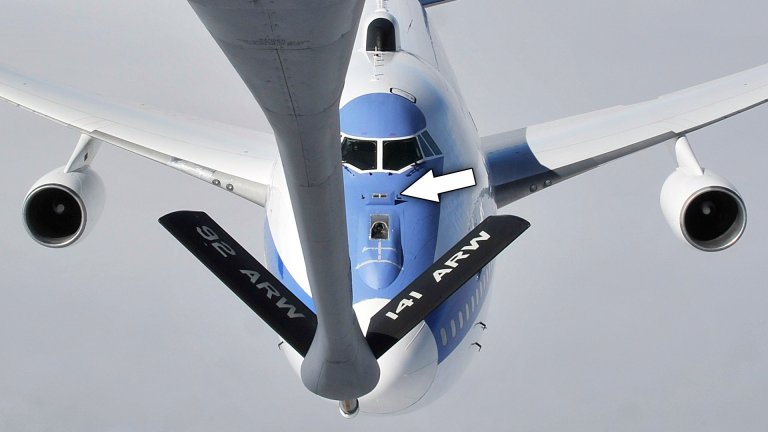
Diplomatic Context and Significance
The Qatar meeting occurred against the backdrop of ongoing domestic challenges, including a federal government shutdown that threatened essential services and worker paychecks. Despite these domestic pressures, the administration maintained its focus on international diplomacy and trade relationships. The strategic refueling stop demonstrated the administration's ability to conduct multiple diplomatic initiatives simultaneously while navigating complex international relationships.
President Trump's approach to the Asia trip reflected a broader strategy of personal diplomacy, with direct leader-to-leader negotiations taking precedence over traditional diplomatic channels. The Qatar meeting exemplified this approach, transforming a routine logistical necessity into a meaningful diplomatic engagement that reinforced important Middle Eastern alliances while advancing broader international objectives.