 Read on cbsnews.com
Hurricane Melissa Strengthens to Category 4, Threatens Caribbean with Catastrophic Flooding
Hurricane Melissa has rapidly intensified into a dangerous Category 4 storm, posing life-threatening risks to Jamaica, Haiti, and the Dominican Republic. With maximum sustained winds of 140 mph and potential rainfall exceeding 30 inches in some areas, the storm threatens catastrophic flash flooding and landslides across the Caribbean region. The National Hurricane Center has issued hurricane warnings for Jamaica and watches for southwestern Haiti and eastern Cuba as the storm moves slowly westward through the region.
Hurricane Melissa has rapidly intensified into a powerful Category 4 storm, presenting significant threats to Caribbean nations with potential for catastrophic flooding and destructive winds. The Miami-based National Hurricane Center has issued urgent warnings as the storm approaches Jamaica and neighboring countries, highlighting the life-threatening conditions expected across the region.
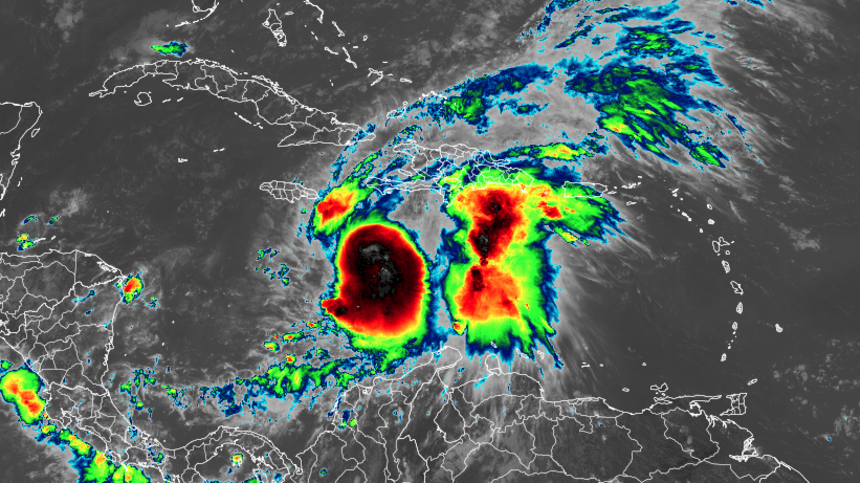
Current Storm Status and Projected Path
As of Sunday morning, Hurricane Melissa's core was positioned approximately 120 miles south-southeast of Kingston, Jamaica, and 280 miles south-southwest of Guantanamo, Cuba. The storm was moving westward at just 5 mph, a slow movement that increases rainfall accumulation risks. Maximum sustained winds reached 140 mph, with hurricane-force winds extending 25 miles from the center and tropical storm-force winds reaching 175 miles outward.
The storm is forecast to move near or over Jamaica through Tuesday, then cross southeastern Cuba by Tuesday night before reaching the southeastern Bahamas by mid-week. According to the National Hurricane Center, Melissa is expected to maintain major hurricane status when it makes landfall in Jamaica, potentially making it the most powerful hurricane to impact the island in recent history.
Emergency Preparations and Evacuations
Emergency measures are underway across the threatened regions. A hurricane warning remains in effect for Jamaica, while hurricane watches and tropical storm warnings cover southwestern Haiti from the Dominican Republic border to Port-au-Prince. Eastern Cuban provinces including Granma, Santiago de Cuba, Guantanamo, and Holguin are under hurricane watch.
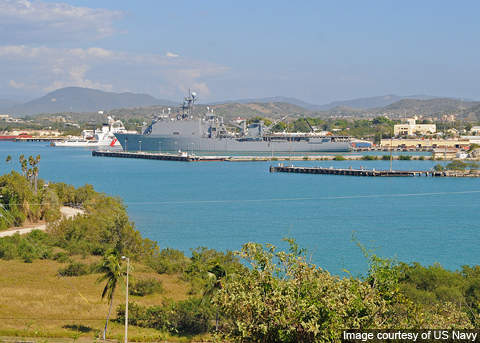
The Naval Station Guantanamo Bay has initiated evacuation procedures for non-mission-essential U.S. citizens, with complete evacuation scheduled by Sunday morning. Evacuees are permitted one 40-pound bag and a carry-on item, according to the station's emergency protocols.
Rainfall and Flooding Threats
The primary concern with Hurricane Melissa involves extreme rainfall amounts that could trigger catastrophic flooding and landslides. Forecasts indicate potential rainfall totals reaching 30 inches in parts of southern Haiti, the southern Dominican Republic, and Jamaica through Tuesday, with even higher amounts possible in localized areas. Eastern Cuba may receive up to 18 inches of rainfall.
Meteorologists express particular concern for Jamaica's mountainous terrain, which forces air to rise and enhances rainfall production. This topographic effect combined with the storm's slow movement creates ideal conditions for extreme precipitation events that could surpass historical records.
Historical Context and Regional Vulnerability
The current situation draws comparisons to Hurricane Gilbert in 1988, which remains the strongest hurricane to hit Jamaica, causing 45 fatalities and over $700 million in damage. The potential intensity of Hurricane Melissa raises concerns about exceeding these historical impacts, particularly given improved forecasting capabilities that provide earlier warnings but also highlight the magnitude of the threat.
Caribbean nations face particular vulnerability to hurricane impacts due to combination of mountainous terrain, dense coastal populations, and limited infrastructure in some regions. The concentration of rainfall in elevated areas significantly increases landslide risks, while coastal regions face storm surge threats in addition to wind damage.

Emergency management agencies across the affected countries continue to monitor the storm's progression and coordinate response efforts. Residents in threatened areas are urged to follow evacuation orders and prepare for potential extended power outages, road closures, and communication disruptions as the storm approaches.
The situation remains fluid as Hurricane Melissa continues its path through the Caribbean, with meteorological agencies providing regular updates on any changes in intensity or trajectory that could affect the magnitude of impacts across the region.